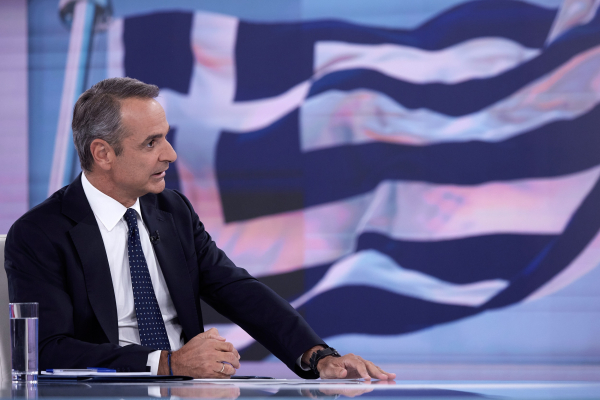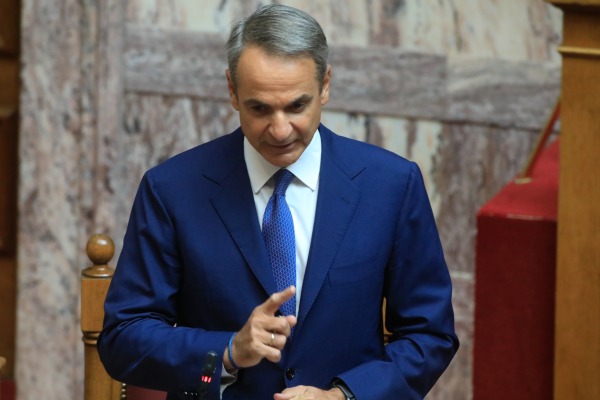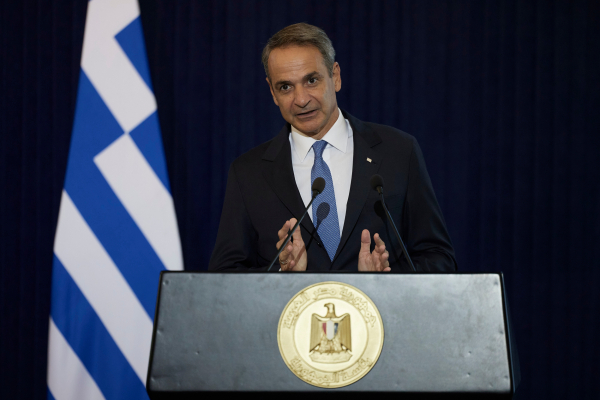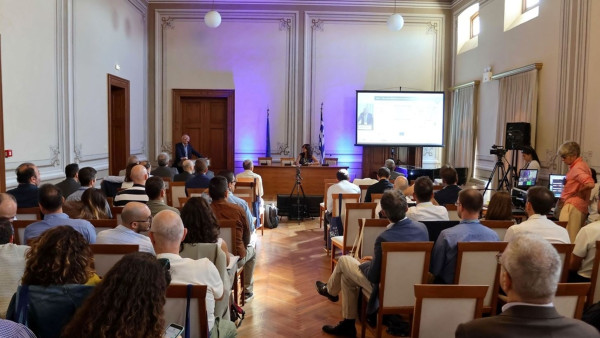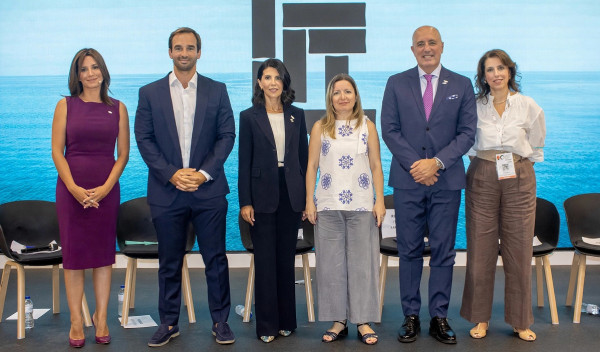
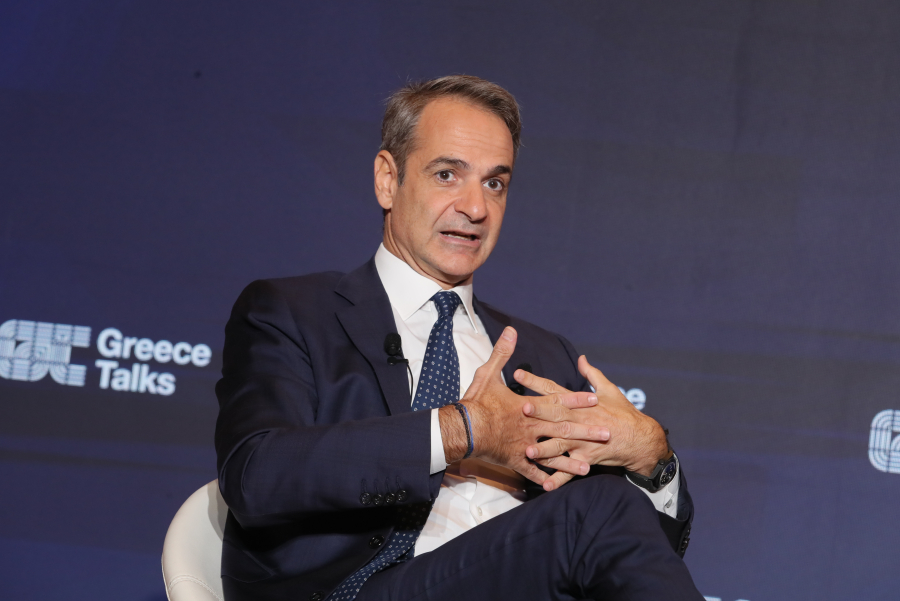

Speaking at the “Reimagine Tourism 2025” conference during a public conversation with British author Victoria Hislop, Mitsotakis nevertheless reaffirmed Greece’s unwavering demand for the reunification of the antiquities.
He described the issue as “highly complex” but confirmed that discussions with the British Museum are ongoing. “I don’t think we’ve made as much progress as we would like,” he said. “I will always argue that the Parthenon Sculptures should return to Greece, and I will insist on this personally. We are not close to a positive result, but public opinion in the United Kingdom is shifting in our favor.” Hislop agreed that the sculptures should be reunited with the monument they once adorned, saying the Parthenon can only be properly understood as a whole.
Mitsotakis emphasized the cultural symbolism of the marbles, calling them a narrative about democracy that feels “more relevant today than ever.” He repeated his often-used analogy that separating the sculptures is akin to “cutting the Mona Lisa in half,” while adding that Greece is building a broad coalition of supporters—including many outside the country—who advocate for their return. He argued that Athens could offer “mutually beneficial cooperation” to the British Museum without compromising its legal position.
The prime minister also used the conference to outline his vision for the future of Greek tourism. He said Greece has left behind the difficulties of the past decade and now aims to become the world’s top-quality travel destination. To achieve this, he insisted that development must respect natural landscapes and avoid “overbuilding.”
Mitsotakis acknowledged the challenge of distributing tourism more evenly across the country. He said extending the tourist season and promoting lesser-known destinations are key priorities, noting a growing trend among cruise companies to focus heavily on already saturated hotspots such as Mykonos. He has asked the tourism ministry to develop an environmental label encouraging ships and travelers to explore new areas. He pointed to the success of Messinia’s Costa Navarino resort as an example of how less-developed regions can transform themselves with the right investment.
He added that Greece’s diversity—its varied landscapes, microclimates, and local traditions—gives the country a natural advantage in creating distinct experiences for visitors. Preserving local crafts and culinary traditions, he said, is essential both culturally and economically. He suggested that professions such as fishing or mountain guiding could offer additional income opportunities for locals, provided the state supports proper training and certification. Authenticity, he said, remains one of Greece’s strongest assets: “There are people who seek this, and you can find it anywhere in the country.”
Mitsotakis also highlighted the vitality of contemporary Greek culture, particularly in Athens, which he described as a city with an unusually dynamic creative scene. After years of crises, he said, the surge in artistic production feels natural and deserved.
Asked to name a destination he would recommend to a foreign visitor, the prime minister chose the islands of Tinos or Lemnos, the latter of which he said “almost resembles Scotland” because of its unique geology. For those preferring mountain landscapes, he recommended the region of Zagori in northwestern Greece, noting that it has already begun to attract significant interest from international travelers.