The European Union is considering a new source of revenue for its next long-term budget: fees paid by telecommunications companies for access to 6G frequencies, a move that could reduce the financial burden on member states while providing Brussels with additional funding.
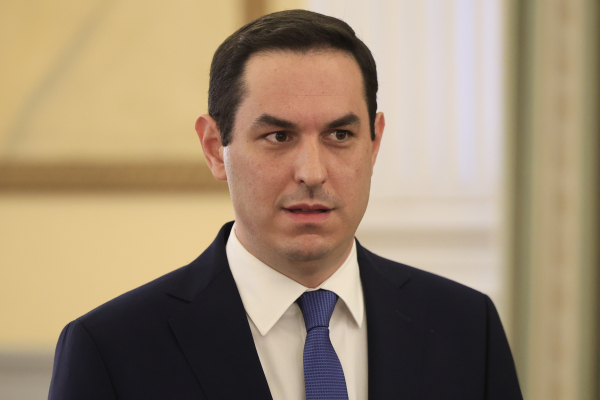
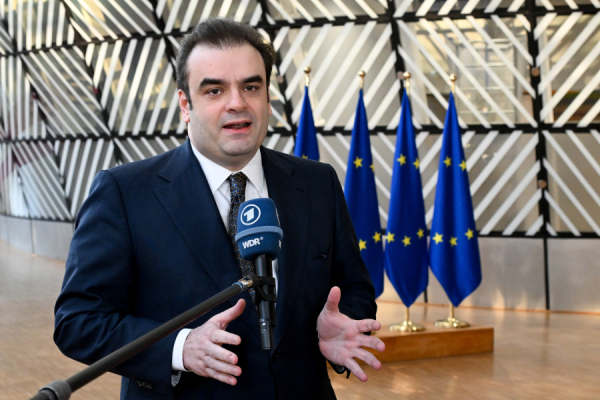
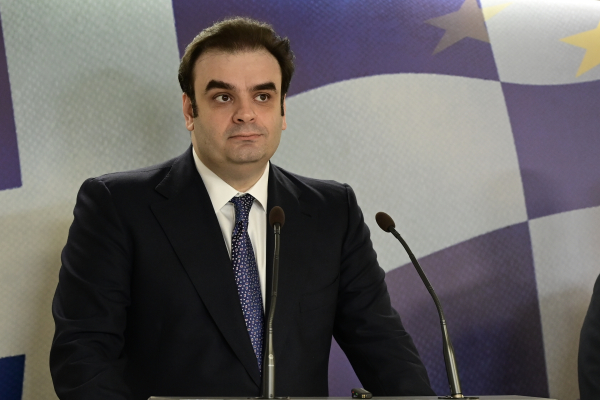
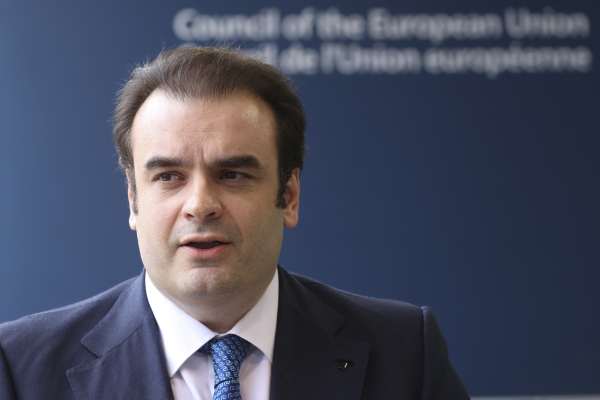
The proposal, associated with Greek Finance Minister and Eurogroup President Kyriakos Pierrakakis, would redirect proceeds from future spectrum auctions into the EU budget rather than leaving them entirely with national governments.
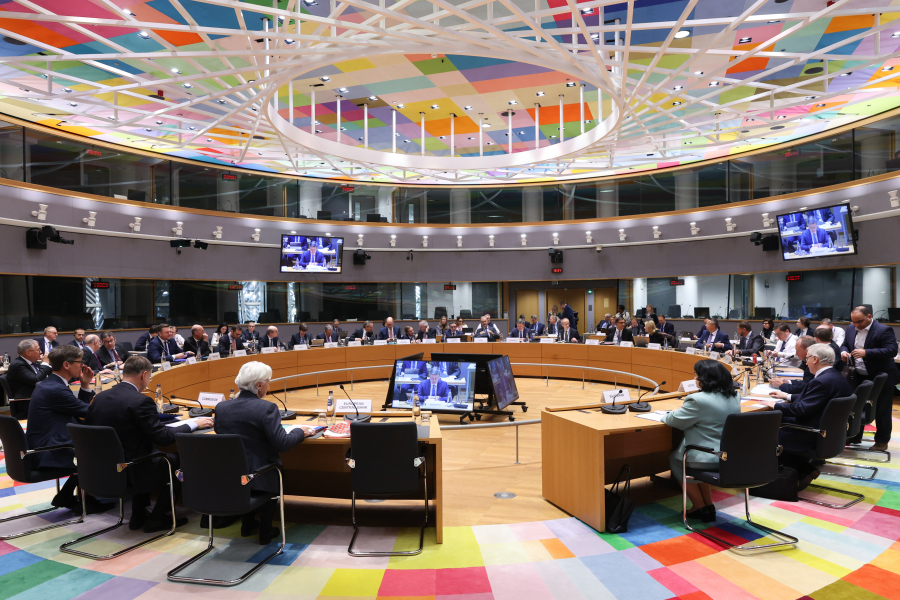
The mechanism is included in a draft European Council document dated Nov. 21, ahead of a special EU summit scheduled for Nov. 26-27, where leaders are expected to discuss the bloc’s future financing arrangements.
ΔΙΑΒΑΣΤΕ ΕΠΙΣΗΣ



Under the proposal, revenues from licensing radio frequencies above 6 gigahertz, potentially used for next-generation 6G networks, would become an additional source of EU funding.
The financial implications could be significant. If European spectrum auctions generated €10 billion in 2029, for example, that money could offset an equivalent amount in national contributions to the EU budget without requiring spending cuts.
For Greece, assuming a hypothetical 1.5% share of the reduction in contributions, the resulting fiscal benefit could reach €150 million. The figures are illustrative, however, and no official revenue forecasts or allocation formulas have been established.
The proposal extends beyond 6G. Revenues from existing telecommunications frequencies, including those currently used for 5G, could eventually flow into the EU budget when licenses expire and are renewed or reassigned.
That would potentially create a recurring revenue stream rather than a one-time windfall from the introduction of new wireless technology.
The initiative draws on Greece’s experience with its 5G spectrum auction, when 25% of proceeds were allocated to the Phaistos investment fund, established to support innovative technology companies.
For Brussels, the proposal comes as the EU faces growing pressure to finance defense, infrastructure, technological competitiveness and other priorities without substantially increasing national contributions.
The European Commission would be expected to incorporate the mechanism into relevant legislation by the first half of 2028.
The plan remains at the negotiating stage and would require agreement among member states and subsequent legislative approval.
If adopted, it could mark a shift in how Europe finances common spending priorities, turning telecommunications spectrum into a source of revenue for the bloc.