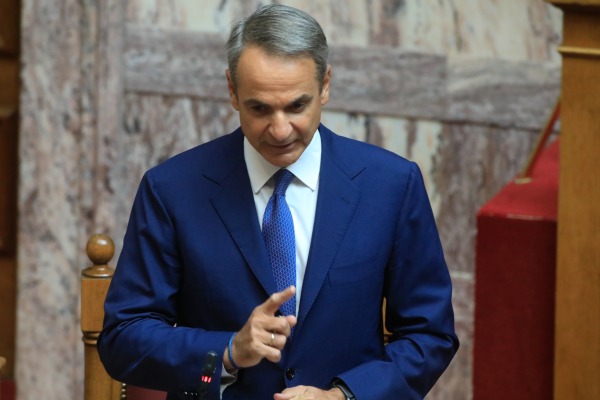
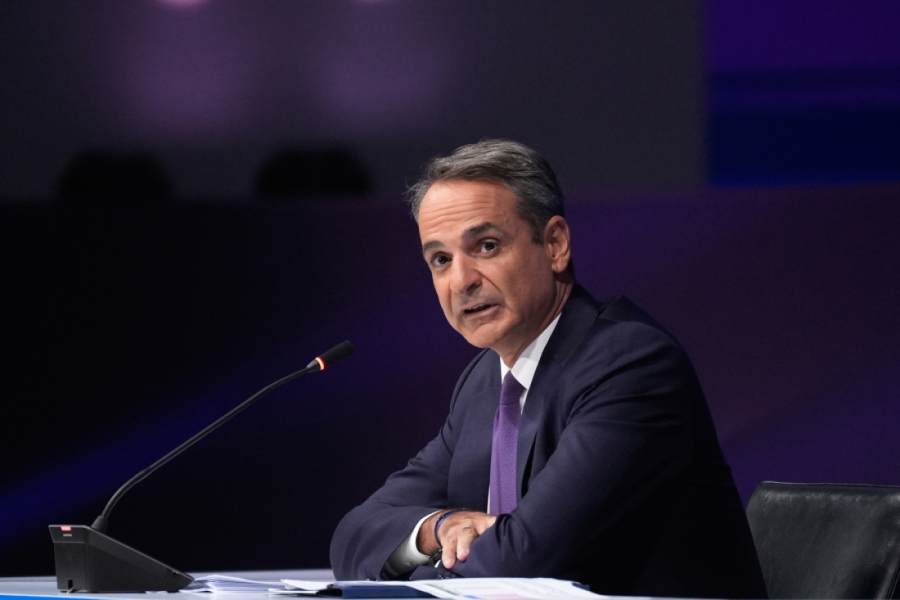

Greek Prime Minister Kyriakos Mitsotakis is heading into the heart of Silicon Valley this week, where the artificial-intelligence boom is increasingly colliding with questions over energy, infrastructure and regulation.
Mitsotakis is scheduled to visit Nvidia and Tesla on Monday before speaking at an Endeavor Greece event titled “The Future of AI Elsewhere.” On Tuesday, he is due to meet San Francisco Mayor Daniel Lurie and speak at Stanford University’s Hoover Institution.
The two-day visit comes as the conversation surrounding AI in the U.S. shifts from enthusiasm over investment toward the costs and risks accompanying the technology’s rapid expansion.
ΔΙΑΒΑΣΤΕ ΕΠΙΣΗΣ

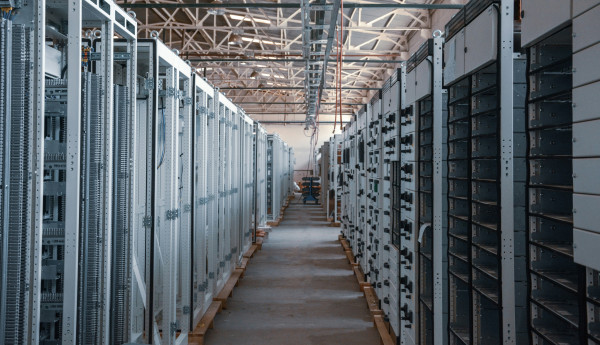
Billions of dollars are flowing into increasingly powerful AI models and the data centers needed to run them. But those facilities consume enormous amounts of electricity, creating pressure on power grids and raising a politically sensitive question: Who should pay for the infrastructure required to support them?
That debate has reached Washington. The House last week passed legislation directing state utility regulators to consider whether large electricity users such as data centers should shoulder the additional infrastructure costs they create. The measure passed 417-3, reflecting growing bipartisan attention to the impact of the data-center boom on electricity bills.
Congress is also debating how far federal oversight of AI itself should extend. Senators have discussed legislation that could require major AI developers to demonstrate safeguards against potentially dangerous systems, though lawmakers remain divided over how to impose controls without slowing U.S. technological development. President Trump has emphasized maintaining America’s competitive advantage, particularly against China, while lawmakers from both parties have proposed various federal safeguards.
For Mitsotakis, those questions have an immediate relevance back home.
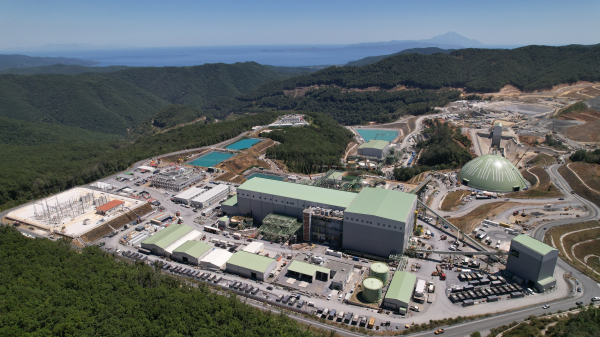
Greece’s state-controlled utility, PPC, has laid out plans to transform former lignite-producing areas in Western Macedonia into an energy and technology hub. At the center of that strategy is a planned 300-megawatt data center at the Agios Dimitrios power station, potentially expandable to 1,000 MW. PPC has placed the project within a broader €5.75 billion investment program that also includes renewable generation and energy storage.
The ambition is to turn a region that powered Greece for decades with coal into infrastructure for the cloud and AI economy.
That also means Greece is confronting versions of the same questions now emerging in the U.S.: how much electricity the AI economy will require, who will finance the necessary grid expansion and how much of the investment will translate into lasting benefits for communities hosting the infrastructure.