
Greek businesses are confronting a fresh squeeze on profit margins as higher energy prices, rising wages and more expensive imports combine to push operating costs higher, raising the prospect of another round of price increases for consumers.
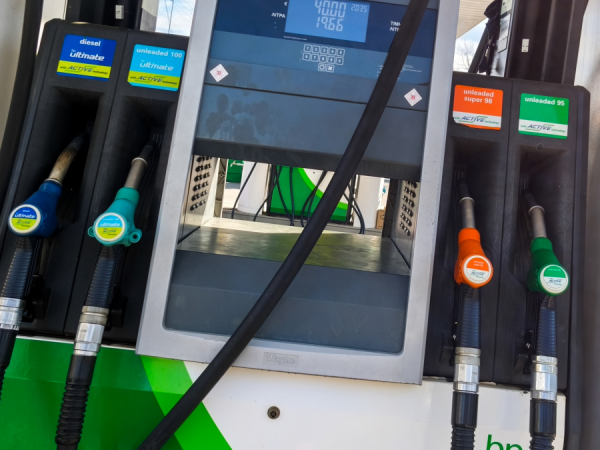
Escalating tensions in the Middle East have injected new uncertainty into corporate budgets, with Brent crude trading above $100 a barrel. The increase is feeding through to electricity, transportation and logistics costs while also making raw materials more expensive, adding pressure just as many companies were hoping for greater stability after several years of inflation.
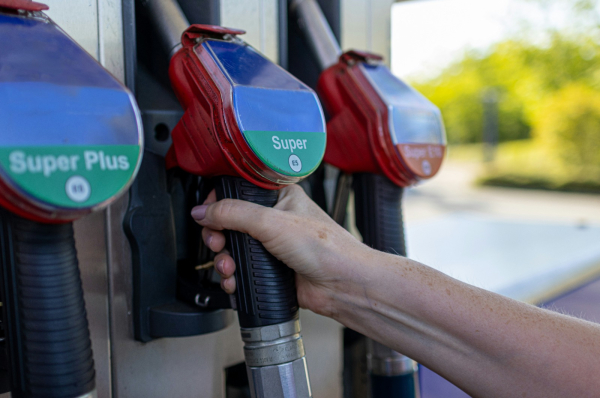
Small and midsize businesses are particularly exposed. Higher electricity bills affect factories, shops and other commercial operations directly, while more expensive fuel raises the cost of road transportation and distribution. Even modest increases across several expense categories can add up quickly, eroding margins.
ΔΙΑΒΑΣΤΕ ΕΠΙΣΗΣ



Many companies have already absorbed successive cost increases and have less room to do so again. Businesses are responding by cutting operating expenses, reducing energy consumption and postponing investment. For companies unable to offset the increases through efficiency gains, passing at least part of the additional cost to customers is increasingly becoming an option.
Labor is adding another layer of pressure. Increases in Greece’s minimum wage tend to ripple through broader pay scales, with labor-intensive industries facing the greatest impact. Companies are caught between the need for strong consumer demand to sustain revenue and the higher payroll and operating costs required to keep their businesses running.
Imports represent a third source of strain.
Greek companies depend heavily on overseas suppliers for products ranging from raw materials and components to machinery and other capital equipment. Higher production costs abroad can therefore enter the Greek economy through import prices and become amplified along the supply chain.
The final cost of an imported product reflects more than its factory price. International freight, warehousing, domestic distribution and inventory financing all contribute to the bill. Higher fuel prices make transportation more expensive, while financing costs can increase the expense of holding inventories and purchasing equipment.
For manufacturers, the effect can spread further. When an imported component or raw material is used as an intermediate input, its higher price raises the cost of producing goods in Greece. That increase can then move through subsequent stages of production before eventually reaching wholesale and retail prices.
The transmission is more direct for finished imported goods, where higher acquisition costs can move from importers to wholesalers and retailers.
The key question is how much of the latest cost shock businesses can continue to absorb. With margins already under pressure, their capacity to shield customers is narrowing—raising the likelihood that at least some of the increase will ultimately appear on Greek price tags.