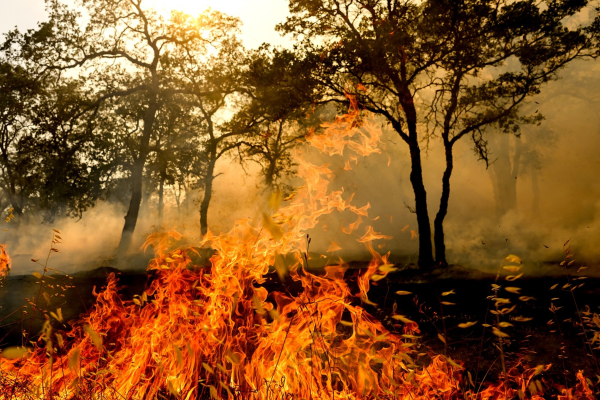
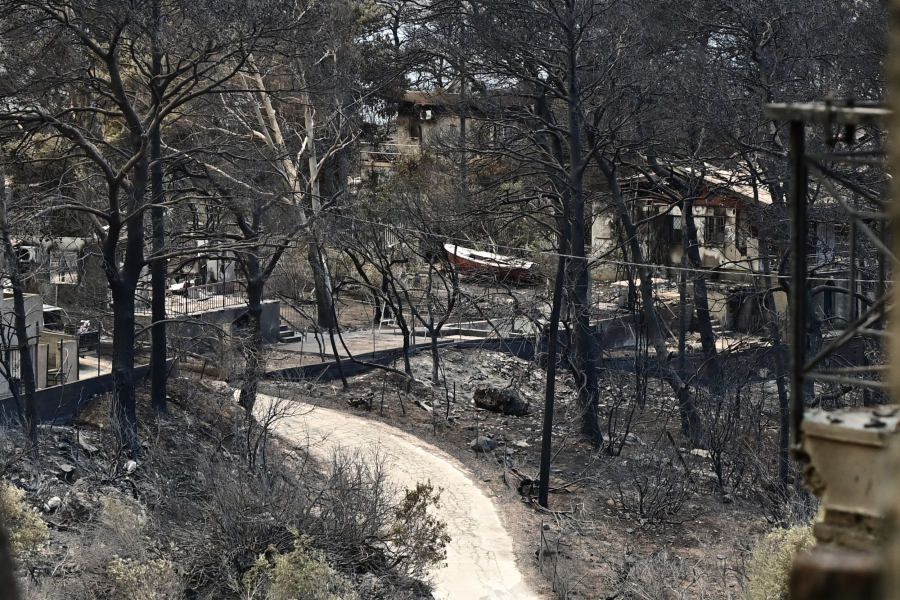

Nearly half of the forests surrounding the Greek capital have been lost to wildfire over the past decade, according to new analysis from Meteo, the climate research unit of the National Observatory of Athens, adding fresh scrutiny to whether Greece is adapting quickly enough to an era of longer, more destructive fire seasons.
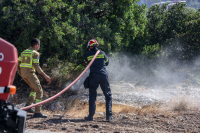
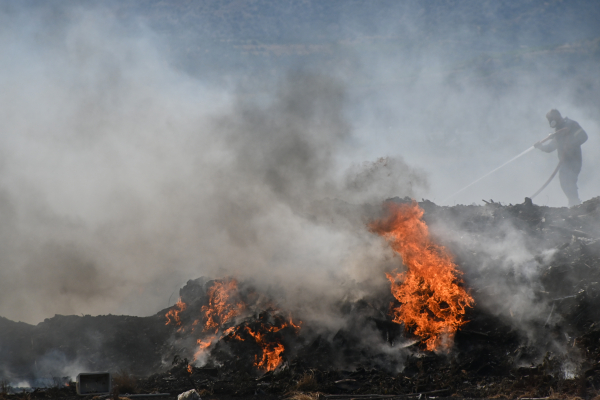
The updated assessment found that 42% of Attica's forests - about 512 square kilometers (198 square miles) - have burned since 2017. Revised following last week's major wildfire near Porto Germeno, west of Athens, the figures highlight the cumulative transformation of the landscape surrounding one of Europe's largest metropolitan areas, where repeated fires have become a defining feature of summer.
The data point to a pattern that extends beyond any single disaster. Meteo estimates that 15 major wildfires have burned more than 800 square kilometers across mainland Attica over the past decade, with nearly one-third of the region's total land area affected by fire. Before the start of the 2026 fire season, researchers had estimated that 38% of Attica's forests had already burned over the previous nine years. The latest revision suggests the pace of loss continues to accelerate.
ΔΙΑΒΑΣΤΕ ΕΠΙΣΗΣ
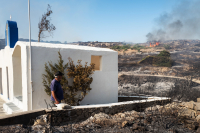
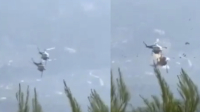
The findings are likely to renew debate over Greece's wildfire strategy as climate change intensifies the conditions that fuel increasingly severe blazes across southern Europe. Successive governments have pointed to hotter temperatures, prolonged drought and stronger, less predictable winds as evidence that the country's fire seasons have entered a new phase. Critics argue that while those pressures are undeniable, public policy has remained disproportionately focused on extinguishing fires after they ignite rather than reducing the conditions that allow them to become catastrophic.
The divided wildfire management
Wildfire management in Greece is divided among multiple layers of government. The national administration oversees civil protection, firefighting resources, forest policy and post-fire restoration, while regional and municipal authorities are responsible for vegetation management, local preparedness and enforcement. Forestry specialists and environmental organizations have long argued that fragmented responsibilities, inadequate forest maintenance and slow implementation of fuel-reduction projects have left large areas increasingly vulnerable to recurring megafires.
Prime Minister Kyriakos Mitsotakis's government has invested heavily in expanding the country's aerial firefighting fleet, deploying drones and early-warning systems, strengthening the Ministry for Climate Crisis and Civil Protection, and securing additional European Union support for emergency response. Those investments have improved Greece's ability to detect and combat fast-moving fires. Yet successive fire seasons have continued to expose the limits of a strategy centered primarily on suppression rather than prevention.
Government officials also caution against viewing every wildfire as evidence of policy failure.Authorities say many recent fires have been traced to human activity, including negligence, electrical infrastructure failures and suspected arson. Under extreme weather conditions, officials argue, even fires detected quickly can spread beyond the capacity of firefighters to contain them. Preliminary investigations into the Porto Germeno blaze indicate it may have originated from a faulty power line, underscoring the growing importance of infrastructure resilience alongside climate adaptation.
With firefighters still containing hotspots in western Attica and much of Greece remaining under elevated wildfire risk, the latest figures underscore a broader challenge confronting countries across the Mediterranean. The question is no longer simply how to respond to increasingly intense fires, but whether governments can reduce their frequency and severity before landscapes are irreversibly transformed. Around Athens, the numbers suggest that window is narrowing.