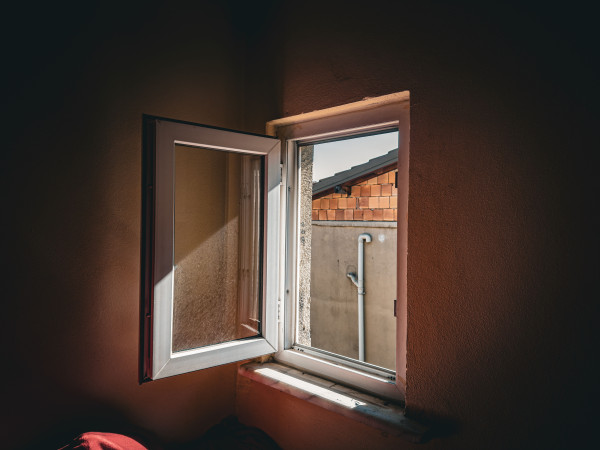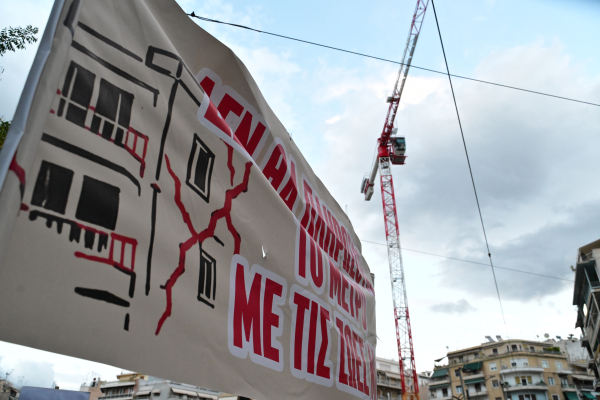
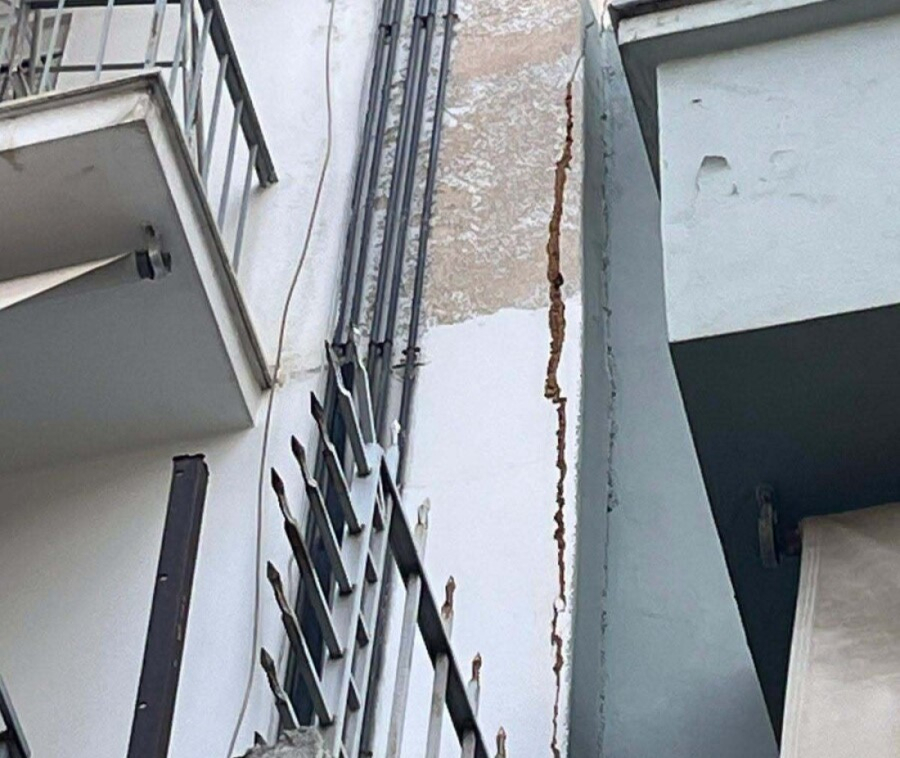
Property owners and tenants have documented cracks in walls, structural beams, door and window frames and floor tiles. A local residents' group says serious damage has been recorded in more than 20 apartment buildings, affecting roughly 200 apartments along the route between Kypseli Square and the Evelpidon area, home to Athens's main court complex.
Residents say they believe the damage is connected to underground excavation for the new metro line, though no independent engineering assessment cited by them has established responsibility. They are calling on public authorities and the companies involved in the project to conduct comprehensive structural and geotechnical inspections and to guarantee the safety of their homes.
The concerns have intensified after a recent building collapse elsewhere in Athens, in the Petralona district. Kypseli residents have taken their case to the Athens City Council, seeking immediate intervention.
"The problems started as soon as the tunnel-boring machine passed," said Alexandros Koutroularis, a Kypseli resident whose home is about 100 meters from the neighborhood's main square. He said diagonal cracks appeared across his building, particularly around doors and windows, within the first week after the machine moved through the area.
Koutroularis said residents fear that ground movement may still be continuing because new cracks have appeared and some existing ones have widened.
Several tenants left their apartments after the damage became visible, he said.
Residents also complain that they received little warning about when the tunnel-boring machine would pass beneath their buildings. Koutroularis said engineers had inspected buildings before construction and later installed sensors intended to monitor ground movement.
Then, he said, residents felt strong vibrations one evening as excavation took place below them.
Residents say their requests for access to monitoring data have been denied. According to Koutroularis, project representatives told them that information on ground settlement and other measurements was for internal corporate use.
He said residents were also told that the companies involved couldn't certify the structural integrity of individual buildings and that owners would have to commission private structural assessments. Such studies, he said, could cost tens of thousands of euros per building, a substantial burden in a neighborhood with many elderly and lower-income residents.
Kypseli is one of Athens's most densely built urban districts, characterized by closely spaced multistory apartment blocks, many of them constructed decades ago.
Residents say the damage extends beyond individual apartments. In some buildings, doors and windows have become difficult to open, while visible gaps have appeared between neighboring structures, according to Koutroularis.
They are also concerned about planned demolition and redevelopment projects in the area, arguing that additional construction should proceed only after the stability of the ground and surrounding buildings has been assessed.
The residents say they support the expansion of Athens's metro system, one of the country's largest infrastructure projects, but want stronger safeguards.
Their demands include geotechnical studies of the affected area, structural inspections of damaged buildings and a review of the conditions under which tunneling should resume. They are also seeking full repairs based on engineering assessments rather than cosmetic work to cover visible cracks.
The dispute comes amid broader technical difficulties on Metro Line 4, a planned 15-station line connecting the Alsos Veikou area in northern Athens with Goudi in the east.
Problems along the Kypseli section became public in April 2026, when streets between Kypseli and Evelpidon were flooded with a cement-based slurry used during tunneling operations. At the time, Elliniko Metro, the state-owned company overseeing the project, said the material had been injected under controlled pressure to stabilize weak ground above the tunnel.
The distance between the planned Kypseli and Dikastiria stations is about 800 meters. The tunnel-boring machine later stopped beneath Zakynthou Street, roughly midway along that section, after ground settlement exceeded safety thresholds, according to reports cited in the Greek media.
Elliniko Metro has commissioned a technical study to determine the conditions under which tunneling can resume.