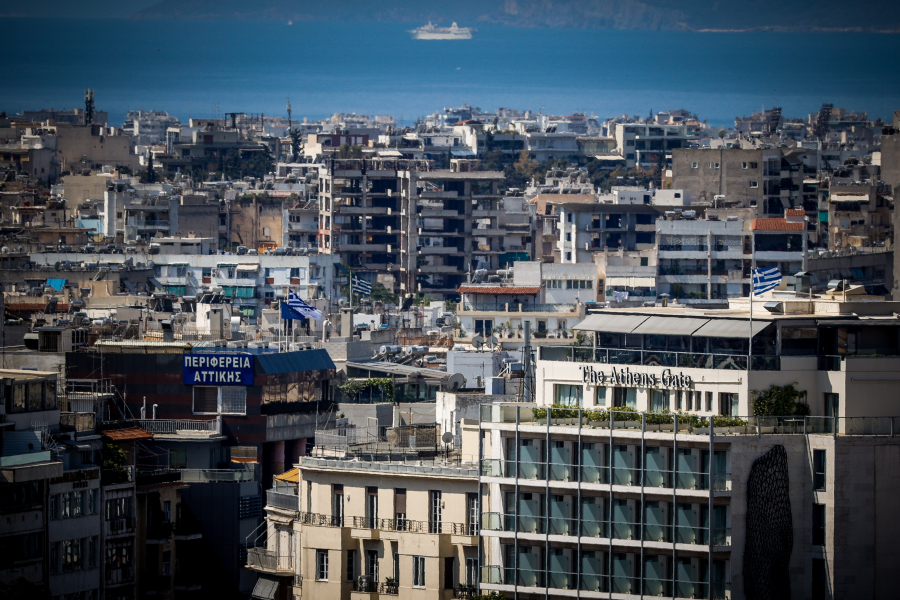
Athens, a city long promoted for its history, climate and lively street culture, ranked last among 50 major cities in Deutsche Bank’s 2026 quality-of-life index. The result highlights a widening divide between the city’s appeal to visitors and the financial pressure facing those who live and work there.
For tourists, Athens can still look like a bargain: sunshine, nightlife and dining at prices that remain modest by the standards of richer countries. For local residents earning Greek salaries, however, the city is becoming increasingly unaffordable.
Deutsche Bank’s annual “Mapping the World’s Prices 2026” report puts numbers to that disparity. Housing, fuel and everyday expenses are rising much faster than incomes, leaving households with little money after rent and essential bills.
The underlying problem is wages. The average monthly take-home salary in Athens stands at €1,153, according to the report. That represents a nominal increase of 47.6% from €781 in 2019. Over the past decade, the increase is 61.3%, from the equivalent of $715 in 2016.
Yet those gains have done little to strengthen purchasing power. The average net salary in Athens is only about 24% of the comparable figure in New York. Athens ranks 55th among the 69 cities included in the salary survey, trailing Central European capitals such as Prague and Budapest, where wages have risen by 121% and 161%, respectively, over the past decade.
Other former Eastern Bloc economies have made significant progress in closing the income gap with Western Europe. Greece has not kept pace, leaving its workers with salaries that are increasingly disconnected from the prices they face.
That mismatch is visible in one of Greece’s most familiar daily rituals: coffee. A cappuccino in Athens is priced almost on par with one in Paris and not far below the cost in New York. The difference is that an Athenian customer may be earning only a quarter of a New Yorker’s salary.
The same imbalance extends across routine spending. A package including dinner for two at a midrange restaurant, wine, movie tickets, taxi and public-transport fares and basic clothing costs about €100 in Athens, placing the city 41st in the global ranking.
Basic monthly utilities—including electricity, heating and water—for an 85-square-meter apartment cost roughly €175. For a household living on local wages, that expense consumes a far larger share of income than it would in a wealthier European capital.
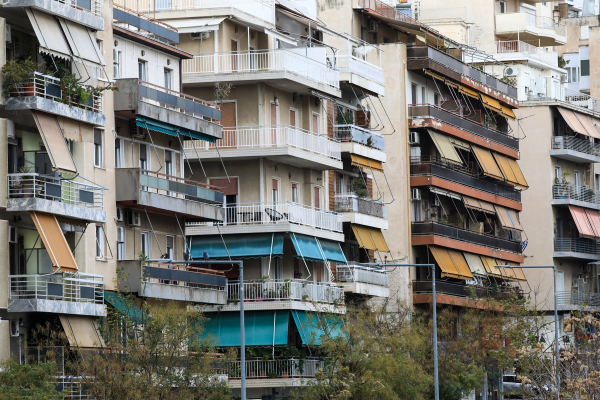
Housing is the most serious strain. The expansion of short-term rentals, limited residential construction and broader distortions in the property market have pushed rents to levels that bear little relation to domestic incomes.
In absolute terms, an apartment in Athens still costs less to rent than one in New York. But that comparison obscures the burden on local residents. When Deutsche Bank measures the income left after rent, Athens falls near the bottom of the table.
Residents of Luxembourg, Copenhagen and Frankfurt often retain substantial disposable income even after paying high housing costs. In Athens, rent can absorb most of a monthly salary. After housing and utilities, the average worker may have little left for food, transportation, clothing or entertainment.
Fuel adds to the pressure. A liter of gasoline in Athens is 209% more expensive than in New York, according to the report, making the Greek capital the ninth-most-expensive city in the world on that measure.
Athens scores poorly on safety and healthcare and posts middling results for traffic. Its climate is the main factor preventing it from falling even further in the overall ranking.
But quality of life depends heavily on who is paying the bills. For a tourist or remote worker earning a foreign salary, Athens can still appear inexpensive. Restaurants are affordable, winters are mild and the city offers many of the attractions of a major European capital.
For a permanent resident earning an average Greek salary, the calculation is very different. Daily life can become a struggle to cover basic expenses, with the benefits of sunshine and urban culture overshadowed by financial insecurity.
The trend risks creating a two-tier city. Higher-income foreigners, investors and short-term visitors can take advantage of Athens’s relative affordability by international standards, while local residents are gradually priced out of their neighborhoods and excluded from much of the city’s social and cultural life.
Real estate and tourism have become two of the strongest engines of the Greek economy. They are also among its most serious vulnerabilities. Their rapid expansion has driven investment and employment, but it has also intensified pressure on housing and pushed consumer prices closer to those of far wealthier cities. The result is an increasingly stark contradiction: New York-style expenses on Athens-level wages.