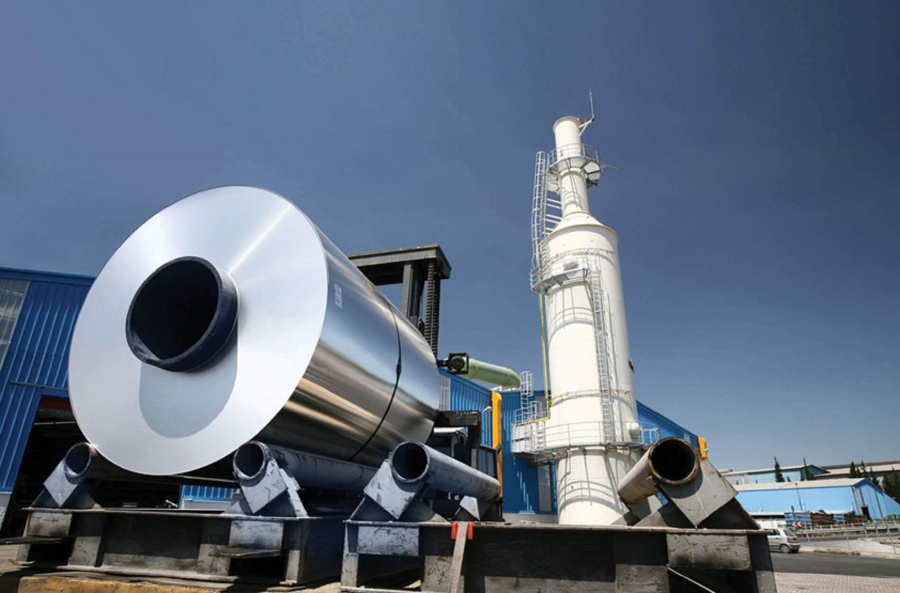

ElvalHalcor, one of Europe’s larger producers of rolled aluminum and copper products, reported a sharp rise in first-half profit as higher metal prices and increased sales volumes lifted revenue, while stronger demand for higher-value products helped support underlying profitability.
Revenue rose 18% to €2.20 billion in the six months through June from €1.86 billion a year earlier. Adjusted earnings before interest, taxes, depreciation and amortization, a measure the company uses to track operating performance excluding metal-price effects, increased 6.6% to €143.3 million from €134.4 million.
Pretax profit rose 78.6%, while net profit climbed to €128.9 million from €74.1 million. Profit attributable to shareholders reached €123.6 million, or €0.3299 a share, compared with €70.9 million, or €0.1891 a share, a year earlier.
ΔΙΑΒΑΣΤΕ ΕΠΙΣΗΣ



The gap between the increase in adjusted EBITDA and reported earnings reflected a large positive accounting effect from metal prices. ElvalHalcor booked a €78 million metal result in the first half, compared with a €7.1 million gain in the same period of 2025. That pushed reported EBITDA up 52.1% to €211.5 million.
The performance highlights both the benefits and the volatility inherent in ElvalHalcor’s business. The company processes large quantities of aluminum and copper, making reported revenue and accounting earnings particularly sensitive to movements in commodity prices even when underlying industrial margins change more gradually.
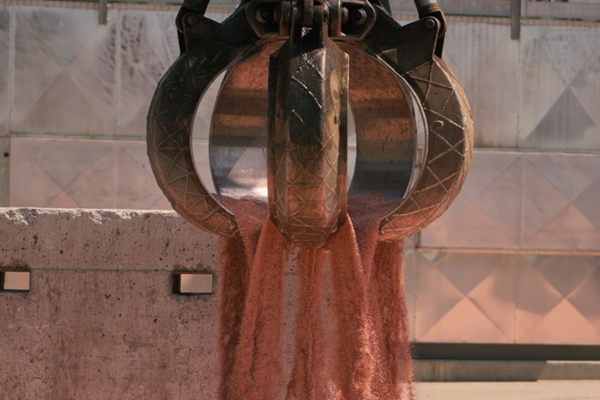
Copper prices reached historic highs in May as supply constraints collided with strong demand. ElvalHalcor said the average copper price during the half was €11,212 a metric ton, up from €8,641 a year earlier. Aluminum averaged €2,897 a ton, compared with €2,331 in the first half of 2025, after prices accelerated in March amid smelter shutdowns in the Gulf and already-low inventories on the London Metal Exchange.
Those higher prices helped inflate revenue, but the company’s operating improvement also reflected greater production and a shift toward more profitable products.
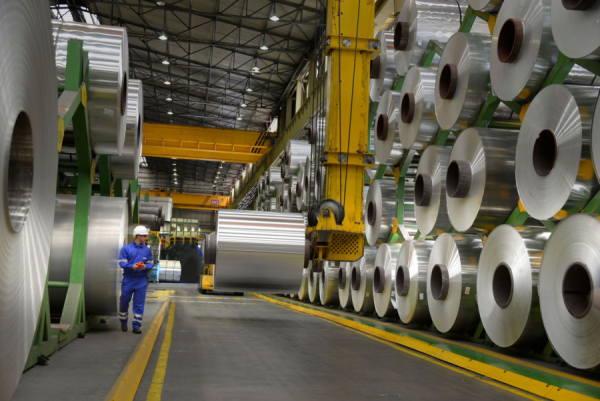
Sales volumes in the aluminum division rose 7% to 227,000 metric tons, driven by rigid packaging and a significant expansion in transportation applications. Copper volumes edged up 0.6% to 91,000 tons, though ElvalHalcor said the headline figure understated the change in its business mix. Growth in energy, industrial and heating, ventilation, air-conditioning and refrigeration applications was partly offset by a deliberate reduction in lower-margin brass extrusion products.
That move toward higher-value products helped cushion inflation in production costs and pricing pressure in some product categories.
The company is increasingly positioning itself as a supplier to industries benefiting from electrification, energy-efficiency investment and the shift toward recyclable materials. Management pointed to power-grid investment, data centers, heat pumps, packaging with high recycled content, shipping, defense and energy-efficient construction as areas of structural demand growth.
Still, the near-term outlook is complicated by geopolitics and trade policy.
ElvalHalcor said conflict in the Gulf has disrupted energy and raw-material markets without materially affecting its operations so far, aside from helping keep aluminum prices elevated. The company is watching developments around the Strait of Hormuz and shipping disruptions in the Red Sea, which could push up energy, freight and raw-material costs if tensions persist.
The exposure is particularly relevant to aluminum. Gulf producers account for roughly 9% of global primary aluminum output, according to the company, making disruptions in the region potentially significant for global supply.
ElvalHalcor said it has broadened its supplier base and is considering additional hedging measures, but warned that a prolonged or escalating crisis could further tighten raw-material availability and raise energy costs through year-end.
Trade policy is another uncertainty. U.S. Section 232 tariffs on both aluminum and copper now stand at 50%, according to the company, reshaping global trade flows. ElvalHalcor said the measures haven’t weakened its position in the U.S. market during the first half, though management acknowledged that commercial conditions could change if the broader trade environment normalizes.
The company said it retains the flexibility to redirect volumes to other markets if U.S. demand softens. Possible European Union restrictions on scrap exports could provide a countervailing benefit by increasing the availability of recycled metal within Europe and potentially lowering input costs, although no such measure has yet been adopted.
Meanwhile, the European Union’s Carbon Border Adjustment Mechanism, which entered its full implementation phase on Jan. 1, hasn’t materially changed market conditions so far, ElvalHalcor said.
The balance sheet strengthened alongside earnings. Working capital rose by €39.3 million from the end of 2025 to €596.2 million, a relatively contained increase given the steep rise in metal prices. Strong operating cash flow more than covered working-capital requirements, capital spending and the dividend.
Capital expenditures totaled €56 million in the first half and were directed toward operational improvements across both aluminum and copper.
Net debt fell to €547.9 million at the end of June from €605.3 million at the end of 2025 and €629.5 million a year earlier. Net finance costs declined 3.5% to €17.3 million, reflecting both lower interest rates and reduced borrowing.
ElvalHalcor has also moved to strengthen its capital base for a new investment cycle. In July, the company completed a €250 million equity offering, issuing 59.5 million new shares at €4.20 each. The shares began trading on Euronext Athens on July 22.
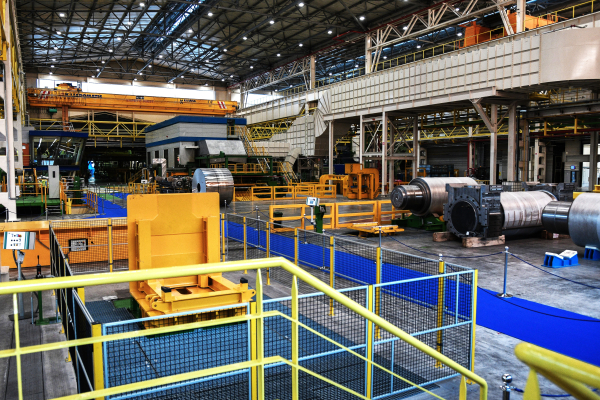
The proceeds will partly fund a €455 million investment program aimed at expanding aluminum capacity through a new cold-rolling mill and increasing recycling capacity in both aluminum and copper.
The investment plan is central to ElvalHalcor’s effort to capture longer-term demand created by electrification and the circular economy. The company expects expanded recycling and cold-rolling capacity to give it greater flexibility in serving customers seeking customized, lower-carbon aluminum products.
Management said demand conditions remain constructive despite the more uncertain external environment.
Nikolaos Karampateas, general manager of the aluminum division, said the unit’s first-half performance reflected previous investments in capacity, operations and workforce capabilities, with particularly strong improvement in transportation and rigid packaging.
Panos Lolos, general manager of the copper division, said the business remained resilient despite high metal prices, inflation and macroeconomic uncertainty, while continuing to shift its portfolio toward higher-value products used in energy, power networks, heat pumps, industrial applications and data centers.
For investors, the second half is likely to hinge on whether ElvalHalcor can sustain volume growth and richer product mix while navigating forces largely outside its control. Metal prices helped flatter reported earnings in the first six months of the year, but the more durable story lies in adjusted profitability, declining leverage and the company’s ability to direct new capacity toward markets tied to electrification and recycling.
The biggest risks remain equally clear: energy prices, the availability of raw materials, disruption to Gulf shipping and the possibility that U.S. trade policy reshapes aluminum and copper flows more sharply than it has so far.