Greece is tightening safety rules for jet skis, inflatable water parks and other recreational sea activities as authorities seek to regulate a fast-growing segment of the country’s tourism industry.
Under amendments to the General Port Regulation, rented jet skis will have to carry satellite-tracking and remote-control systems, while floating water parks will for the first time operate under a dedicated set of technical and safety standards. The changes also increase the responsibilities of rental companies and introduce tougher penalties.
The measures are aimed at closing gaps that emerged as coastal businesses expanded beyond traditional beach services. Operators have invested in new activities for Greek and foreign visitors, but some attractions developed faster than the rules governing them.
ΔΙΑΒΑΣΤΕ ΕΠΙΣΗΣ


A major change is the formal creation of a legal category for floating water parks, described in the regulation as marine playgrounds. These include linked inflatable attractions such as trampolines, slides, seesaws and climbing structures.
Only businesses licensed to rent recreational water equipment will be allowed to operate such facilities. Private installation and operation will be prohibited.
The parks must be installed at a safe depth and in line with manufacturers’ instructions. Their boundaries must be marked with yellow buoys, and they may extend no more than 40 meters along the coastline or 40 meters out to sea.
Operators will be responsible for assembly, anchoring and safe operation. They must also comply with the maximum number of users specified by the manufacturer.
A certified lifeguard will have to be present throughout operating hours. In addition to standard rescue equipment, the lifeguard must have access to a portable automated external defibrillator.
The parks will have to close when winds reach force four on the Beaufort scale or higher. Operations will also be banned before sunrise, after sunset, near rocky shores or over stony seabeds.
For beach businesses, the requirements mean that buying an inflatable park will no longer be enough. Operators will need permanent supervision, clearly marked limits, capacity controls and procedures for closing immediately if weather conditions worsen.
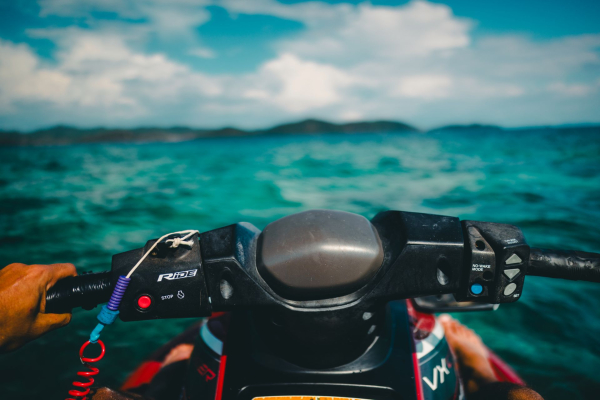
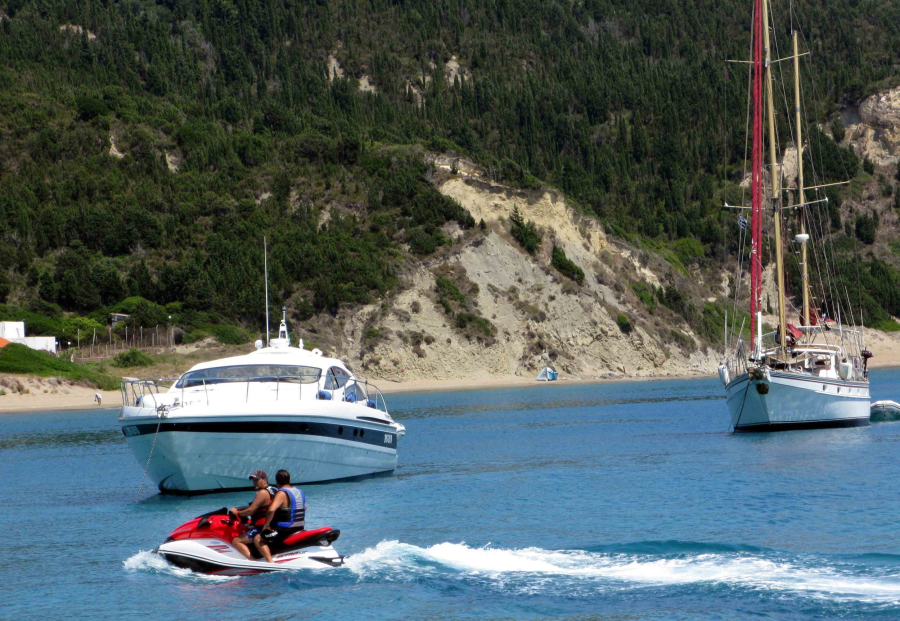
Jet-ski rental companies face a separate technology requirement. Every rented personal watercraft will have to be fitted with satellite tracking and remote-control capability.
The systems will allow companies to monitor a jet ski’s position in real time and determine whether a rider has left an approved area. Where the technology permits, operators may also intervene remotely.
The rule is intended to reduce accidents when riders move toward swimmers, enter restricted waters or travel too far offshore. Companies will have five months after the decision is published to install the equipment.
The framework also tightens rental practices. Businesses must refuse customers who lack the required qualifications and must not allow more passengers on towed recreational devices than the manufacturer permits.
Formal jet-ski lessons will also be prohibited, as will advertising such courses online or through social media. Staff may give customers a brief explanation before a rental, but they may not provide organized instruction as a paid service.
Penalties will rise. A company without a rescue vessel at its operating site may be fined €3,000, with the amount doubling for each repeat offense within 12 months. The same fine will apply to illegal jet-ski lessons, while other violations will carry penalties of €500 to €2,000.
Night guards at floating water parks may also be fined €500 for failing to meet surveillance and safety obligations.
The overhaul reflects an effort to balance the growth of marine tourism with closer oversight. For businesses, it will mean higher equipment and staffing costs. For authorities, the goal is to reduce accidents without undermining a sector that has become an increasingly visible part of Greece’s tourism economy.