Greece is imposing sharply higher charges on households and businesses caught stealing electricity, with penalties potentially reaching thousands of euros as authorities step up efforts to combat illegal power consumption.
Under new rules published in the government gazette, the country’s energy regulator has set charges for electricity theft at up to €652 per megawatt-hour for residential customers and €671 for businesses.
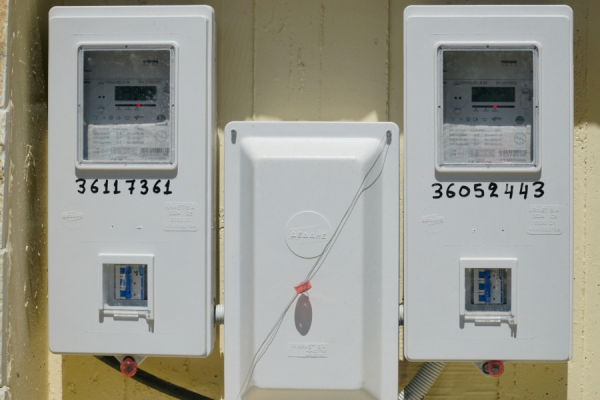
The measures, introduced by Greece’s Regulatory Authority for Waste, Energy and Water, known as RAAEY, apply to consumers found tampering with electricity meters or using power that bypasses normal metering systems.
ΔΙΑΒΑΣΤΕ ΕΠΙΣΗΣ


For a typical household, the charge amounts to roughly 65 cents per kilowatt-hour, while businesses face rates exceeding 67 cents.
The rates include a 100% surcharge on the regulator’s calculated electricity price, effectively doubling the amount owed for illegally consumed power.
The charges apply exclusively to confirmed electricity-theft cases, rather than ordinary utility bills. Lower rates are available to vulnerable households enrolled in Greece’s subsidized electricity program, known as the Social Residential Tariff.
Depending on their eligibility category, those consumers face charges ranging from approximately 27 to 38 cents per kilowatt-hour, reflecting a reduced surcharge of 50%. Offenders must also cover inspection and administrative expenses incurred by Greece’s electricity distribution network operator, HEDNO.
For homes with single-phase electricity connections, additional charges start at €294.54 and rise to €407.07 if meter replacement is required.
Costs can reach €461.65 for three-phase connections and €662.21 for larger medium-voltage installations. The most significant financial risk comes from retroactive billing.
HEDNO can calculate previously unrecorded electricity consumption going back as far as five years, provided the customer used the connection during that period. That means relatively modest amounts of stolen electricity could translate into substantial liabilities.
For example, a household found to have consumed 5,000 kilowatt-hours without proper metering would owe approximately €3,261 for the electricity alone. Including inspection and meter-replacement expenses, the total could exceed €3,660.
Revenue recovered from electricity-theft cases, excluding administrative costs, will be directed toward electricity-market accounts to offset part of the financial losses associated with unauthorized consumption.