Greece’s wholesale electricity price is set to surge to €258.52 per megawatt-hour on Oct. 26, its highest level this month, raising concerns about another round of increases in household energy bills and business operating costs as winter approaches.
The latest spike puts wholesale electricity prices nearly 39% above the October average of €186.27 per megawatt-hour through the first 26 days of the month, highlighting renewed volatility in the country’s power market.
The increase threatens to feed through to retail electricity tariffs if elevated wholesale prices persist, adding pressure to household budgets already strained by higher fuel and heating expenses.
ΔΙΑΒΑΣΤΕ ΕΠΙΣΗΣ



A key driver is the rising cost of natural gas across Europe, where concerns about relatively low storage inventories have heightened uncertainty over energy supplies and prices during the winter.
Greece remains particularly exposed to fluctuations in gas prices because natural-gas-fired power plants play a significant role in electricity generation.
Depending on plant efficiency, producing one megawatt-hour of electricity requires roughly two to three megawatt-hours of thermal energy from natural gas, making electricity generation costs sensitive to changes in fuel prices.
If European gas prices continue climbing, Greek wholesale electricity prices could remain above €240 per megawatt-hour during the winter, potentially triggering further increases in consumer tariffs.
Weather conditions will be another important factor, with colder temperatures likely to increase heating demand and intensify competition for available gas supplies.
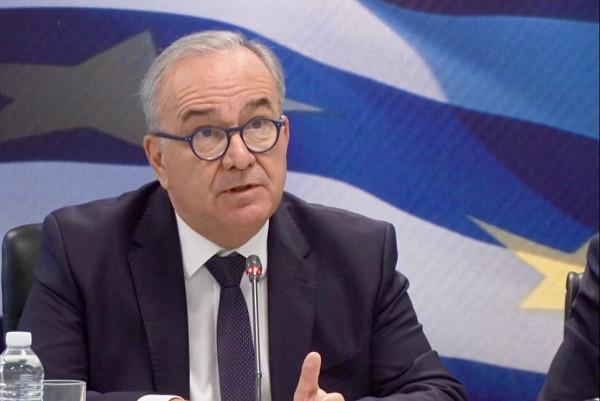
The latest developments come as the Greek government struggles to determine how long it can maintain energy subsidies designed to shield consumers from rising costs.
Under the current framework, heating oil receives a subsidy of 40 European cents per liter, while transportation diesel is subsidized by 20 cents and unleaded gasoline by 10 cents.
Athens is seeking between €300 million and €400 million in additional funding through a European Union energy-related fiscal mechanism, although access to the money requires European approval.
Several upcoming meetings could influence the government's options, including an EU energy ministers' gathering on Oct. 29 and a Eurogroup meeting on Nov. 9.
Discussions among European leaders later in November could also shape decisions on additional financial assistance.