
The two Russian pranksters who duped Greece's national security adviser into a video call are pushing back against government claims that the incident was a sophisticated hybrid operation involving artificial intelligence, insisting that the deception required little more than a Gmail account, a Zoom call and some basic makeup.
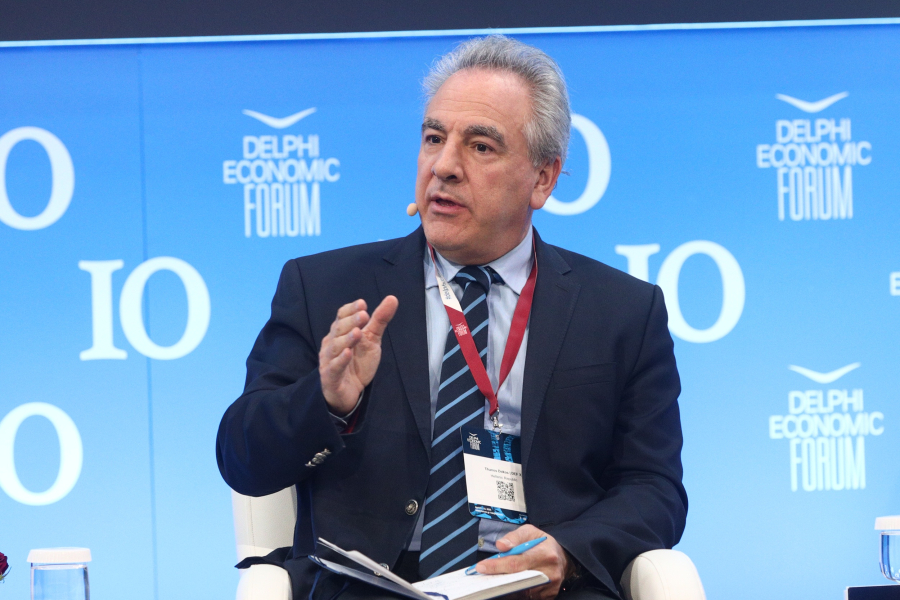
In an interview with Greek broadcaster Mega TV on Sunday, the two men—best known for duping politicians and senior officials through high-profile impersonation stunts—said they were taken aback by the political uproar that followed the release of their conversation with Thanos Dokos, Greece's national security adviser and a close adviser to Prime Minister Kyriakos Mitsotakis.
"Do you really believe that intelligence services use Gmail to deceive national security advisers?" one of the pranksters said, dismissing accusations that they were acting on behalf of Russian intelligence or had employed advanced AI tools.
The episode has evolved into an embarrassing political controversy for the Greek government, which initially described the incident as a Russian-origin "hybrid attack" carried out using highly sophisticated artificial intelligence technology. Government officials maintained that Dokos had spoken with a deepfake version of his Ukrainian counterpart and stressed that no classified information had been disclosed during the conversation.
ΔΙΑΒΑΣΤΕ ΕΠΙΣΗΣ


According to the pranksters, however, there was nothing technologically advanced about the operation. They said they simply sent an email from a Gmail account, proposed a Zoom meeting and received a response from Dokos's office.
"It was just an email from Gmail, nothing special," one of them said. "We suggested speaking over Zoom and he agreed."
The pair also denied using artificial intelligence to recreate either the face or voice of Ukraine's defense minister, Rustem Umerov, whom one of the pranksters allegedly impersonated during the call. Instead, they said the deception relied on makeup and impersonation techniques they have used repeatedly in similar operations involving foreign politicians.
"We used makeup and certainly not artificial intelligence," they said. "Why would we need anything special to fool someone we had never even heard of before?"
Their account directly contradicts the Greek government's version of events. Following the publication of the video, officials said the call had been preceded by the exchange of convincing background materials, names, addresses and official-looking correspondence, leading Dokos to believe he was speaking to a legitimate counterpart. Government sources also argued that the incident demonstrated how artificial intelligence is already being deployed in modern hybrid operations.
The pranksters rejected those claims as an attempt to deflect attention from security failures.
"If anyone from abroad can send a Gmail message and arrange a conversation with the national security adviser, then there are security problems," one of them said.
The incident has also raised questions about the security protocols surrounding Greece's senior officials. The pranksters expressed astonishment that Dokos discussed sensitive geopolitical issues while apparently sitting in a restaurant or café, saying such a setting would be considered highly inappropriate for a senior national security official in Russia.
Greek officials insist that the substance of the conversation posed no threat to national security. According to the government, Dokos neither disclosed confidential information nor deviated from Athens' official positions on issues discussed during the call, including concerns over Ukrainian drone activity in Greek waters and the potential impact of such incidents on Greek-Ukrainian relations.
The government has publicly backed Dokos, describing him as the target of an external operation designed to obtain sensitive information. But the Russian pranksters' account—and their insistence that no deepfakes or advanced technologies were involved—has fueled criticism from opposition parties, which argue that the episode exposed weaknesses in the government's security procedures rather than an unprecedented form of digital warfare.
For the pranksters, the affair appears to have been little more than another entry in a long list of impersonation stunts. "For us, he was just another interlocutor among many others," one of them said. "We spoke to him and then forgot about it."