
Greece is set to approve a far-reaching overhaul of its anti-money-laundering regime, tightening oversight of banks, tax authorities and law-enforcement agencies as the country moves to align itself with the European Union's new anti-financial-crime framework.
The new Action Plan for the Prevention and Combating of Money Laundering is expected to be endorsed on Tuesday by a government strategic committee chaired by Apostolos Kasapis, the secretary-general for economic policy. The plan establishes a new operating model for Greece's anti-money-laundering system, introducing tougher sanctions, broader use of digital monitoring tools and a clearer division of responsibilities among supervisory and enforcement authorities.
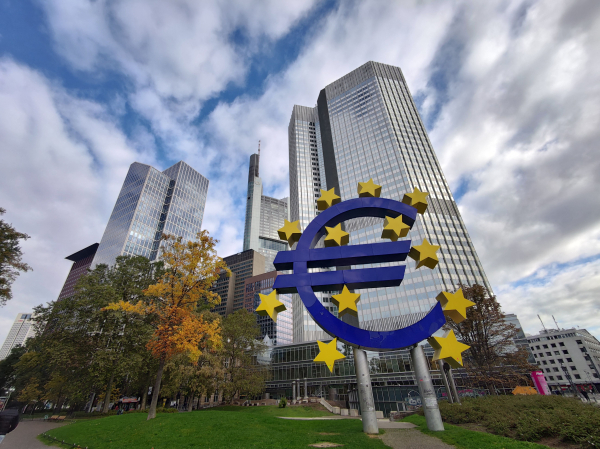
The overhaul comes as European governments prepare to implement a new bloc-wide anti-money-laundering architecture, including the establishment of the European Anti-Money Laundering Authority, or AMLA, which will directly supervise selected high-risk financial institutions and coordinate national regulators.
ΔΙΑΒΑΣΤΕ ΕΠΙΣΗΣ



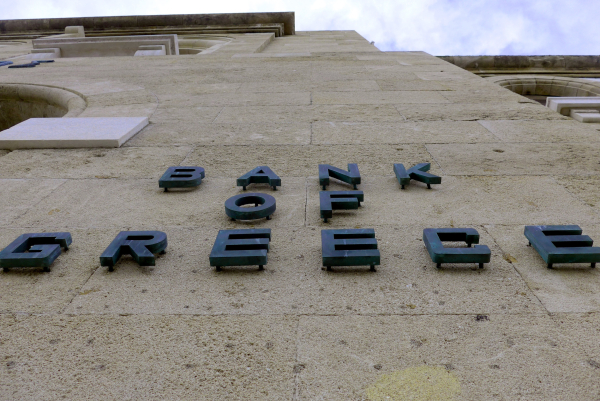
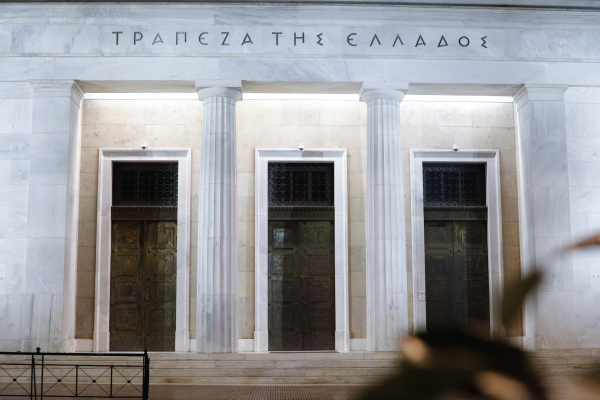
Under the new plan, the Bank of Greece will expand staffing in its supervisory units and step up both on-site and thematic inspections of regulated entities. The central bank will also adopt AMLA's risk-assessment methodology, allowing supervision to be tailored to specific products and services. It is also set to revise its sanctions regime by increasing fines and making enforcement decisions public.
Greece's capital markets regulator will increase resources devoted to anti-money-laundering supervision and focus particular attention on crypto assets and virtual-asset service providers, an area that has become a growing concern for regulators across Europe. The regulator also plans to introduce safeguards for executives and compliance officers who report suspicious transactions.
The country's tax authority will assume a broader role in both prevention and supervision, training auditors in advanced data analytics and the use of the beneficial ownership register to identify hidden corporate structures. It also plans to enhance customs monitoring and improve the traceability of cross-border transactions through new digital systems.
The operational component of the reform will largely fall to the Hellenic Police, which is expected to intensify financial investigations and make greater use of banking information and data obtained from crypto-asset platforms. Authorities also plan to establish joint investigative teams with Europol and Interpol and expand specialist training in financial crime and the tracking of illicit financial flows.
Other agencies will also see their responsibilities broadened. The country's gaming regulator will increase staffing and adopt an annual risk-based inspection program focused on high-risk operators, while Greece's accounting oversight body will prepare statutory auditors for the implementation of the EU's new anti-money-laundering rules through specialized training and quality-control procedures.
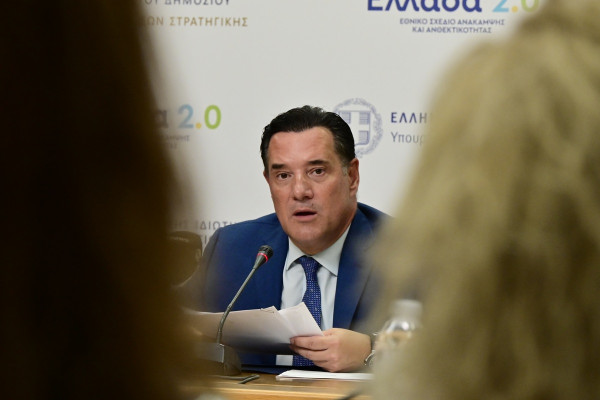
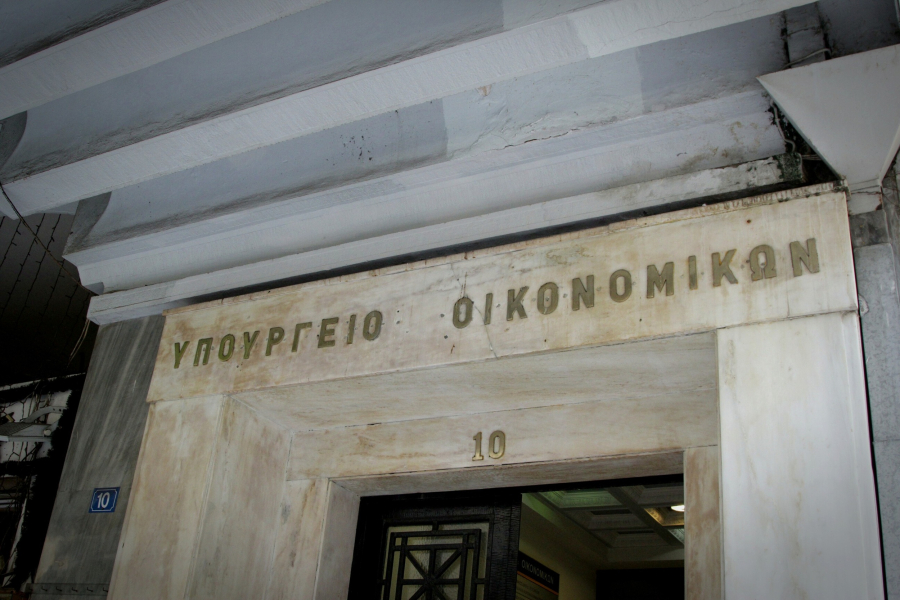
The Ministry of National Economy and Finance will coordinate the reform and oversee the legislative changes required to transpose the EU's new Anti-Money Laundering Package into Greek law. The government plans to update existing legislation, including Law 4557/2018, with the aim of bringing Greece's anti-money-laundering framework fully into line with European requirements by July 2027.