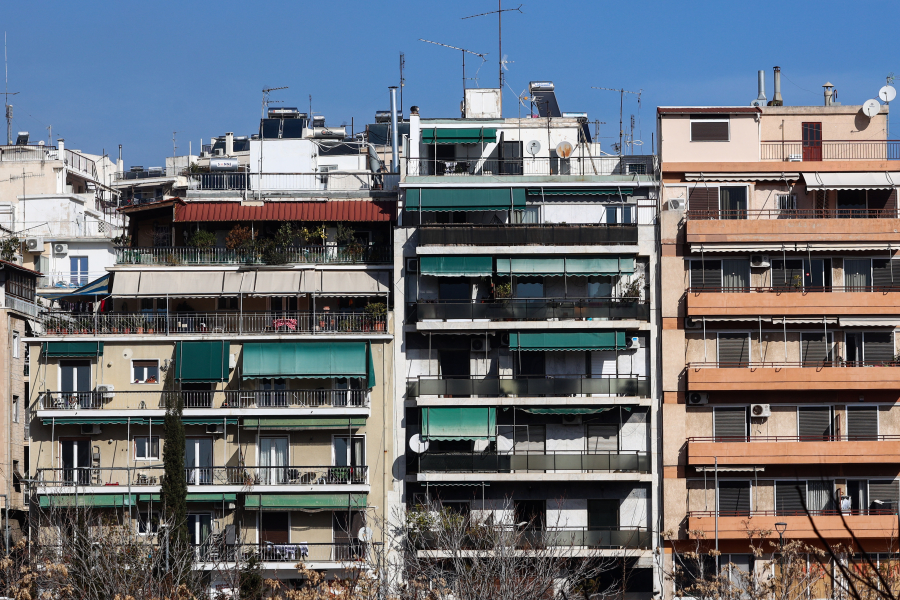

Greece’s housing market is facing yet another sharp rise in rents, with government measures increasingly seen as a major factor behind the surge.
Over the past few months, prices have accelerated, and analysts warn the situation is likely to worsen.
The latest escalation began in April, when the government announced it would introduce a rent rebate scheme in November 2025.
The measure offers up to €800 a year for primary residences, plus €50 for each child, with similar benefits for student housing. Although the policy has yet to take effect, landlords appear to have already priced it in. Between April and July 2025, rents rose steadily, with July alone recording an annual increase of 11.3%.
Observers had warned this might happen. In a market where affordable housing is scarce and demand is high — particularly in major cities and university towns — any boost to tenants’ purchasing power risks being absorbed by higher rents. In practical terms, the subsidy can be interpreted by landlords as an opportunity to raise monthly rents by up to €80, effectively cancelling out the benefit for tenants.
Another policy is expected to add further pressure. In September, during his keynote address at the Thessaloniki International Fair, Prime Minister Kyriakos Mitsotakis is set to announce a cut in taxes on rental income. Currently, income from rents is taxed at 15% for the first €12,000, 35% for earnings between €12,000 and €35,000, and 45% above that. The government plans to replace the 35% middle rate with a lower one, allowing landlords to retain more of their earnings.
Economists warn this change will have a double effect: strengthening landlords’ ability to demand higher rents and making the property market more appealing to investors, which could drive up competition for housing and further reduce supply.
In a sector already marked by high demand and limited availability, the combination of subsidies and tax breaks risks creating a chain reaction of price increases. For current tenants, that means higher monthly costs; for those entering the market, it means paying even more.
Critics argue the surge in rents is not the product of market forces alone, but the direct result of government policy. Instead of easing the housing crisis, they say, these measures have intensified it — adding inflationary pressure to an already overheated market and placing a heavier burden on Greek households.