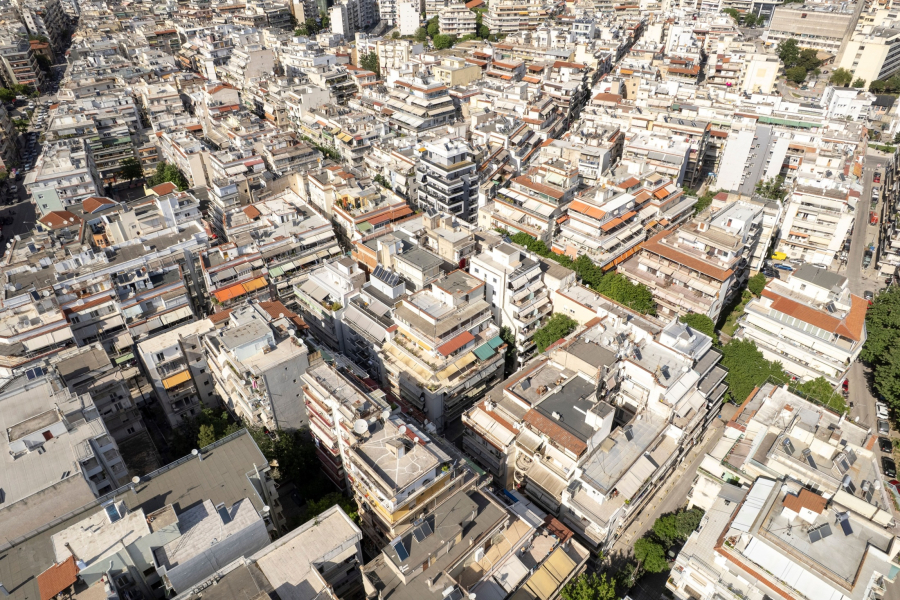

Greece's commercial real-estate market has entered a new phase of expansion, fully recovering from the losses of the previous decade and posting fresh investment records as domestic and foreign investors pour capital into the sector.
Total investment in commercial property exceeded €2.9 billion in 2025, driven by a wave of transactions completed through direct acquisitions and auctions. Demand for modern office space, logistics facilities and hospitality assets continues to push prices higher, with Athens remaining the country's dominant market and Thessaloniki emerging as a secondary growth hub.
Investor appetite is increasingly focused on energy-efficient office buildings, warehouses and logistics centers, hotels and industrial properties, while newer asset classes such as student housing are also gaining traction. Environmental standards and modern infrastructure have become key considerations for investors and occupiers alike.
ΔΙΑΒΑΣΤΕ ΕΠΙΣΗΣ



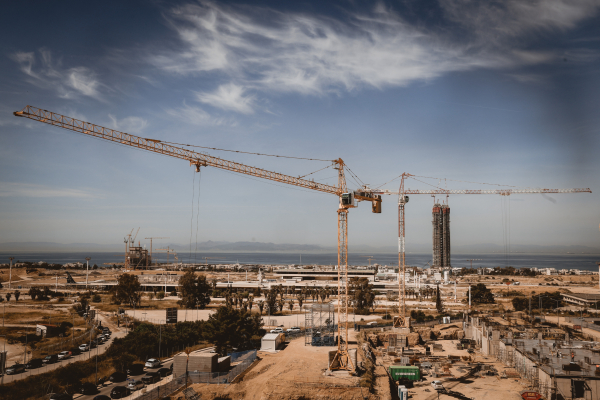
According to a study by Alpha Bank, a rebound in construction activity is creating a new pipeline of high-specification properties. At the same time, the continued strength of Greece's tourism industry is supporting demand for retail space in prime locations, with tourist arrivals expected to rise by more than 5% this year.
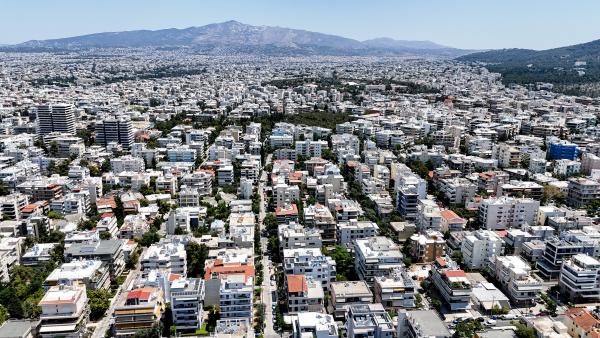
Data from the Bank of Greece show that prices for premium office and retail properties rose by 5.1% and 4.8%, respectively, in 2025. Athens significantly outperformed the rest of the country, recording a 17.7% increase in commercial property prices, compared with 5.3% in Thessaloniki and just 0.8% elsewhere, underscoring the concentration of business activity in the capital region.
Development activity is also accelerating. Building permits for office projects in 2025 were nearly three times higher than in 2019, representing an annual increase of 38%. The gradual retreat of remote working has further strengthened demand for office space, with the share of employees working from home falling to 6.8% in 2025 from 14.8% in 2021.
The retail property market is showing similar momentum, with new building permits rising 10% last year and construction volumes increasing by 41%. The industrial segment has also gained considerable ground, with the volume of new permits nearly doubling compared with pre-pandemic levels.
Foreign investors continue to play an important role in the market's recovery. According to data from RE/MAX, roughly 30% of overseas buyers acquire property in Greece for investment purposes, including rental income and resale opportunities. Although commercial properties account for only about 3% of purchases by foreign investors, returns remain particularly attractive. According to Terra Property, annual yields on offices, retail assets and logistics properties currently range between 6% and 8%, reinforcing Greece's appeal as one of Southern Europe's more promising commercial real-estate markets.