
The U.S. Senate Foreign Relations Committee’s approval of the Eastern Mediterranean Gateway Act could elevate Greece’s role in one of Washington’s most ambitious geopolitical and economic initiatives, positioning the country as a critical link in the emerging India–Middle East–Europe Economic Corridor, or IMEC.
The legislation formally integrates the Eastern Mediterranean into the corridor’s strategic framework, underscoring the region’s growing importance as the U.S. and its allies seek to develop alternative trade, energy and transportation routes connecting Asia, the Middle East and Europe.
For Greece, the significance extends beyond geopolitics. The bill could pave the way for the involvement of the U.S. International Development Finance Corporation (DFC), Washington’s development finance institution, which has become a key vehicle for supporting infrastructure projects aligned with American strategic interests abroad.
ΔΙΑΒΑΣΤΕ ΕΠΙΣΗΣ


Policy analysts have increasingly linked IMEC to the Partnership for Global Infrastructure and Investment, the G7-backed initiative designed to mobilize capital for large-scale infrastructure projects in developing and emerging markets. The DFC plays a central role in that effort, financing projects intended to strengthen global connectivity and reduce dependence on rival infrastructure networks.
Should the agency become involved in projects developed under the Eastern Mediterranean Gateway Act, Greece could gain access to a new pool of financing for energy, transportation and digital infrastructure investments. Such backing could lower funding costs and accelerate the development of projects considered strategically important by both Washington and European partners.
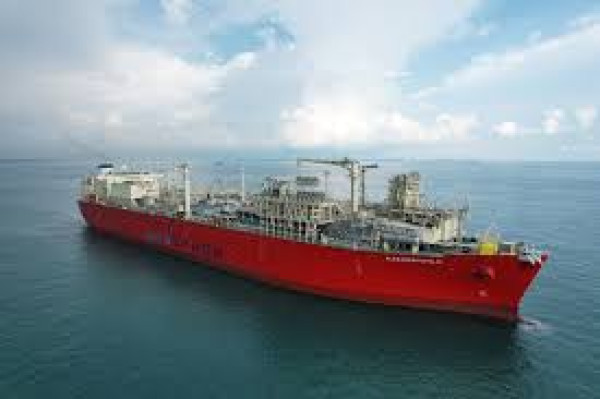
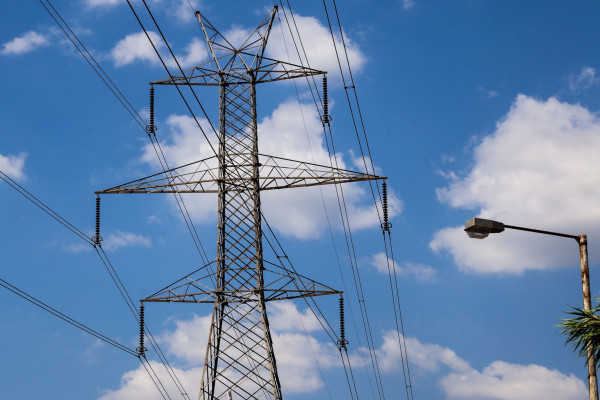
The energy sector stands out as a likely beneficiary. Greek companies involved in electricity interconnections, renewable energy developments, power transmission networks and natural gas infrastructure could find themselves participating in projects linked to the expansion of regional energy networks across the Eastern Mediterranean.
Construction and engineering firms could also benefit. The DFC has traditionally supported private-sector participation in large infrastructure developments, creating opportunities for companies capable of delivering transportation, energy and logistics projects on a regional scale.
Perhaps most importantly, IMEC has the potential to strengthen Greece’s position as a gateway between Europe and markets further east. The corridor is designed to connect India with
Europe through the Middle East, increasing the strategic value of ports, logistics centers, warehousing facilities and rail networks located along the route. Greek ports, already serving as important entry points into southeastern Europe, could become even more significant as trade volumes expand.
If the Eastern Mediterranean Gateway Act ultimately secures approval from the full U.S. Congress, Greece could emerge as a central node in a new commercial and energy corridor stretching from India to Europe. Whether that vision becomes reality, however, will depen