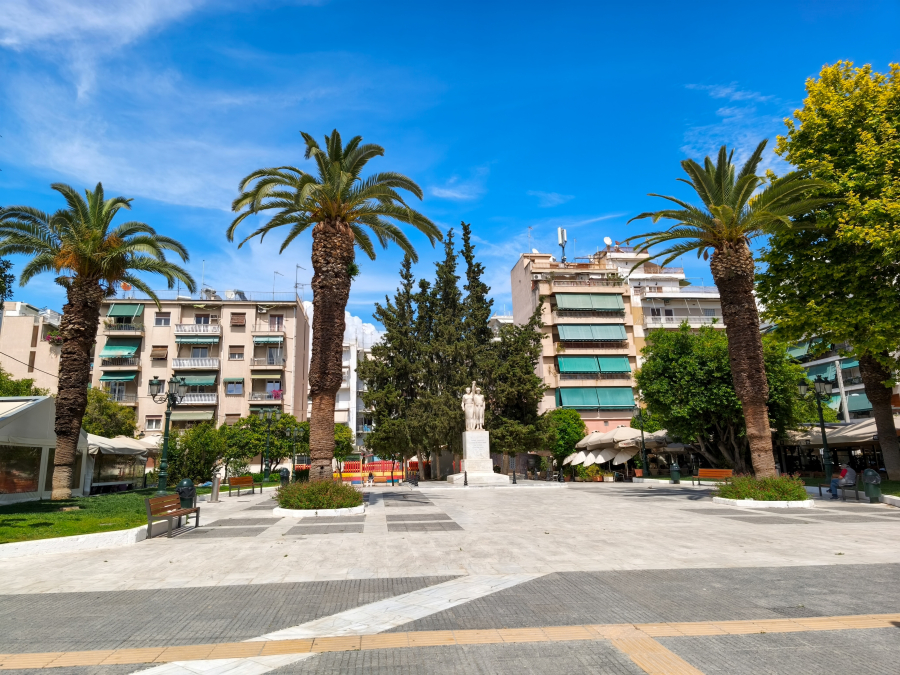

According to data from Numbeo for May 2026, the average monthly rent for a one-bedroom, 50-square-meter apartment in central Athens has reached €625. With the average net monthly salary standing at €1,156, rent alone absorbs nearly 54% of take-home pay. In Thessaloniki, Greece's second-largest city, the situation is almost identical. Average rent for a similar apartment stands at €541 per month, while the average net salary is €1,011, meaning that 53.48% of earnings are devoted to housing costs.
The figures highlight the growing affordability challenges facing renters in Greece, where wage growth has struggled to keep pace with rising housing costs. Yet despite the pressure on Greek households, the country's major cities are no longer among Europe's most extreme examples of housing unaffordability.
Across Southern Europe, housing markets have come under intense strain in recent years, driven by a combination of strong tourism demand, limited housing supply, foreign investment and population growth in urban centres. Portugal currently presents one of the starkest examples. In Lisbon, the average rent for a 50-square-meter apartment in the city centre has climbed to €1,330 per month, while the average net salary stands at just €1,411. As a result, rent now consumes more than 99% of average monthly earnings, making it virtually impossible for many residents to live alone and contributing to growing demand for housing in suburban areas.
In most European cities, the highest rents are typically found in central districts due to the concentration of businesses, cultural attractions, tourism and employment opportunities. Athens, however, represents a notable exception. While central neighbourhoods remain expensive, some of the highest rental prices are now recorded in the city's southern coastal suburbs and, to a lesser extent, its northern suburbs, areas that have become increasingly sought after by both local and international residents.
Urban planning challenges have also reshaped housing preferences in the Greek capital. The deterioration of some central neighbourhoods, high population density, traffic congestion and the ageing housing stock have encouraged many residents to relocate to newer suburban areas that offer better housing quality and living conditions.
Numbeo's analysis shows that several cities in Southern Europe face even greater affordability pressures than Athens. In Málaga, Spain, the average rent for a 50-square-meter apartment has reached €1,195, compared with an average net salary of €1,580. In Barcelona, tenants spend more than 70% of their income on rent, with average monthly housing costs of €1,436 against average earnings of €2,040.
Portugal's second-largest city, Porto, has also experienced sharp rental inflation. Average rents have increased by 9.4% over the past year to €1,108 per month, while average net salaries remain below €1,300, leaving tenants spending more than 85% of their income on housing.