
Greece is overhauling a key element of its renewable energy support framework, eliminating a provision that has increasingly penalized solar and wind producers as green power generation expands across the country.
Under legislation submitted to Parliament this week, renewable energy producers will no longer lose state-backed operating support when wholesale electricity prices fall to zero. Instead, support payments will be suspended only when power prices remain negative for more than two consecutive hours. The measure will apply retroactively from June 1, 2026.
The change is seen as an important step toward preserving the financial viability of renewable energy investments at a time when Greece is experiencing rapid growth in solar and wind capacity. As renewable generation accounts for an ever-larger share of the electricity mix, periods of oversupply have become more common, pushing wholesale power prices to zero - and occasionally below zero- during hours of strong renewable output and relatively weak demand.
ΔΙΑΒΑΣΤΕ ΕΠΙΣΗΣ

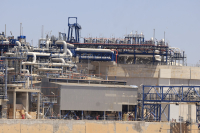
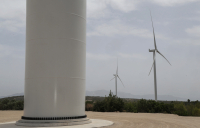
The reform affects renewable energy and high-efficiency cogeneration plants operating under Greece's Contracts for Difference (CfD) support scheme, the primary mechanism used to encourage investment in clean energy projects. Under the previous rules, producers could lose support payments when day-ahead market prices remained at either zero or negative levels for consecutive trading periods.
The new framework narrows that risk significantly. Support payments will continue during periods of zero-priced electricity and will only be suspended if market prices turn negative for more than two consecutive hours.
Greece and EU Members
Greek officials say the change aligns the country's renewable energy support system with practices already adopted in several European Union member states. Across Europe, policymakers have increasingly concluded that negative prices- not zero prices - should trigger the suspension of subsidies because negative prices are generally viewed as a clearer indication of market distortion and excess generation.
The issue has become more pressing as renewable energy deployment accelerates. During sunny afternoons, when solar generation peaks and electricity demand remains moderate, wholesale prices can collapse to zero or even fall into negative territory. Such price patterns, once considered rare, have become a recurring feature of electricity markets in Germany, Spain, the Netherlands and other European countries with high levels of renewable penetration.
For investors and lenders, the Greek reform offers greater revenue certainty. By preserving support payments during zero-price periods, the measure reduces cash-flow volatility and strengthens the financing prospects of new renewable energy projects. The change comes as banks and institutional investors scrutinize renewable energy economics more closely amid rising interest rates and growing concerns about market saturation in some segments of the sector.
The financial cost
Market participants have long argued that an increasing number of zero-price hours is a natural consequence of the energy transition and should not automatically result in the withdrawal of support mechanisms designed to encourage investment in clean power generation.
The legislation could, however, carry a financial cost. While the government has not published an estimate, maintaining support payments during zero-price periods will increase compensation to renewable energy producers. Those costs are expected to be covered through surpluses in Greece's renewable energy support fund or through future revenues generated by the broader electricity system.