Greeks' confidence in the country's public institutions has fallen to its lowest level in years, underscoring a widening disconnect between citizens and the political establishment even as support for European institutions remains comparatively resilient.
A nationwide survey conducted by polling firm MRB shows trust in institutions has steadily deteriorated since 2019, with skepticism now outweighing confidence for the first time in the series. By July 2026, average trust across the institutions measured had fallen to 33.3%, from 47.1% at the end of 2019, while average distrust had climbed to 38.7%, reversing the balance between confidence and skepticism. The findings suggest that
Greece's recovery from its sovereign debt crisis and years of economic turmoil has yet to restore public faith in the institutions that govern the country.
As in previous surveys, Greeks place their greatest trust in institutions perceived as standing apart from partisan politics. The family remains by far the country's most trusted institution, enjoying the confidence of nearly four in five respondents. The armed forces and educational institutions follow, while charitable organizations, fellow citizens and the police also rank relatively highly.
ΔΙΑΒΑΣΤΕ ΕΠΙΣΗΣ

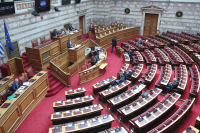
Political institutions fare considerably worse. Political parties are the least trusted institution in the survey, with fewer than one in five respondents expressing confidence in them. Parliament, the government as an institution and the banking sector also receive overwhelmingly negative ratings, with majorities of respondents saying they do not trust political parties, Parliament or banks. Nearly one in two express distrust of the government.
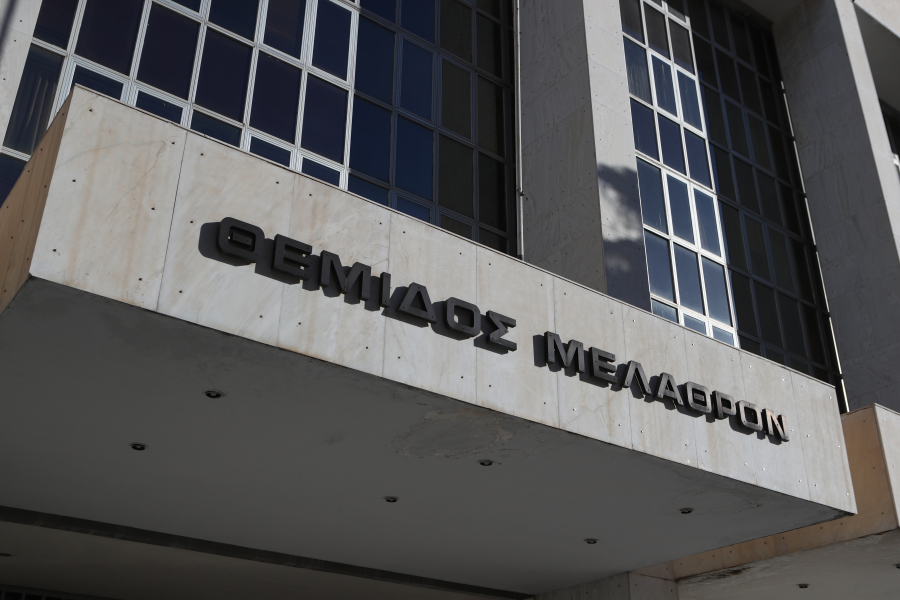
The judiciary occupies a more ambiguous position. It ranks in the middle of the 30 institutions surveyed, yet confidence remains subdued. About one-third of respondents, or 33.6%, say they trust the justice system, while 44.6% say they do not, leaving it with a negative net trust balance. Although the courts command greater confidence than Parliament, the government or political parties, they remain well behind institutions such as the armed forces, universities and schools.
The findings come after several years in which Greece's judicial system has been thrust into the political spotlight, particularly following the deadly 2023 Tempi rail disaster, whose investigation has fueled a broader debate over institutional accountability and judicial independence. While the survey does not ask respondents to explain the reasons for their views, the results suggest that public confidence in the justice system remains constrained by broader skepticism toward the state's institutions.
The latest survey also points to notable shifts over the past six months. Trust in the European Union improved significantly, rising from 11th to seventh place among the institutions measured, while local government also recorded gains. By contrast, confidence in the Greek government deteriorated sharply, with the institution falling ten places in the rankings compared with December 2025. The presidency, the Church and multinational corporations also registered declines.
Despite deepening dissatisfaction with domestic institutions, attitudes toward Europe remain strikingly positive. Nearly 68% of respondents agreed with the statement, "I consider myself a European citizen," while fewer than three in ten disagreed. The findings suggest that, even as confidence in Greece's political system continues to erode, identification with the European project remains broadly intact across much of the electorate, with weaker support largely confined to nationalist and communist voters.