
The fight over one of Greece’s most important ferry markets has escalated into an open business confrontation just as the summer travel season begins. Ship purchases, letters to regulators and a fare war are reshaping the routes linking Athens with the Cycladic islands, a core part of Greece’s tourism economy.
The pressure comes at a difficult time for the broader ferry industry. Operators face steep investment needs as they prepare for stricter carbon-emissions rules, while fuel prices, despite a recent decline, remain far above levels seen in previous years. Many routes are already loss-making, particularly for smaller companies with fewer economies of scale.
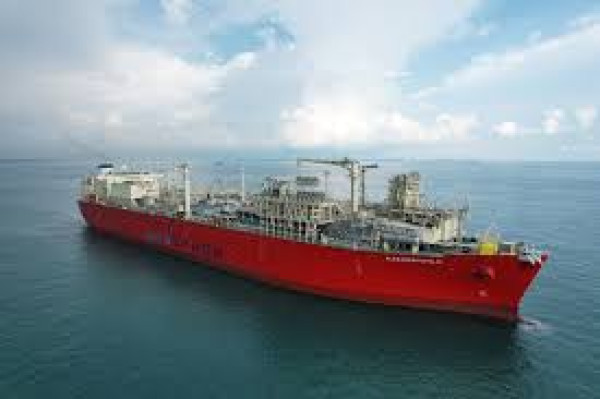
At the center of the dispute is Seajets, controlled by shipowner Marios Iliopoulos, Greece’s largest high-speed ferry operator and one of the biggest in Europe. The company has been buying vessels and offering discounted fares on key Cyclades routes, increasing pressure on smaller competitors such as Fast Ferries, owned by businessman Theologos Panagiotakis, and Golden Star Ferries, controlled by the Stefanou family.
Market speculation has also pointed to Seajets nearing a deal to acquire Golden Star’s entire fleet. Attica Group, another major player, also serves the Cyclades, though mainly with conventional ferries rather than high-speed vessels, focusing not only on passengers but also on cars and freight.
Fast Ferries recently brought the matter to the Hellenic Competition Commission, warning in a letter of possible further concentration in the Cyclades ferry market and asking the regulator to intervene. While the letter does not name Seajets, industry participants say the rivalry between Seajets and the smaller Fast Ferries and Golden Star Ferries has shaped the market for years.
Some industry sources say the regulator may be less likely to act on its own initiative because fares are low or broadly stable compared with last year, reducing obvious red flags for consumers. Others argue that competition law should also protect businesses, not just passengers, and say the current conditions could amount to a de facto attempt to build a dominant position. They warn that, over time, the weakening of smaller operators could reduce choice and ultimately lead to higher fares.
The exit of Aegean Sea Lines has added to those concerns. The company, backed by the Eugenides group, recently sold its only vessel to Seajets and withdrew from the Cyclades market, only a few years after entering it. In a statement, Aegean Sea Lines said conditions on the western Cyclades routes, together with broader changes affecting the ferry sector, had made it unrealistic to continue under the assumptions and objectives with which the venture had begun.
In its letter to the competition authority, Fast Ferries said it has served Greek island communities for more than 20 years, operating not only during peak summer months but throughout the year. The company argued that year-round operators carry the cost of maintaining vessels, crews, infrastructure and reliable schedules during the low-demand winter period, while seasonal rivals can focus on the profitable summer months.
Fast Ferries also pointed to pressure at the port of Rafina, one of the main gateways from the Athens region to the Cyclades, where it said limited berthing and overnight docking capacity was affecting the ability of some ferry companies to operate smoothly.
The company said the “particularly aggressive commercial policy” applied during the 2026 season on Rafina-Cyclades routes raised questions about the real purpose and sustainability of those practices. It argued that very low fares, large discounts and promotional offers were being used mainly on routes served by year-round operators, while similar behavior was not observed in markets where competition was limited or absent.
According to Fast Ferries, such practices, combined with successive vessel acquisitions and stated interest in further concentrating transport capacity in the Cyclades, could gradually restrict effective competition and weaken or push out independent ferry operators with year-round operations.
The company warned that the issue could affect not only rival businesses but also the long-term functioning of the market, island residents’ choices, the cost of transport and the continuity of ferry connections.
Greece’s competition authority is already conducting a sector-wide inquiry into the ferry industry, examining routes, regional markets and broader market conditions across the country. Its final report is pending.