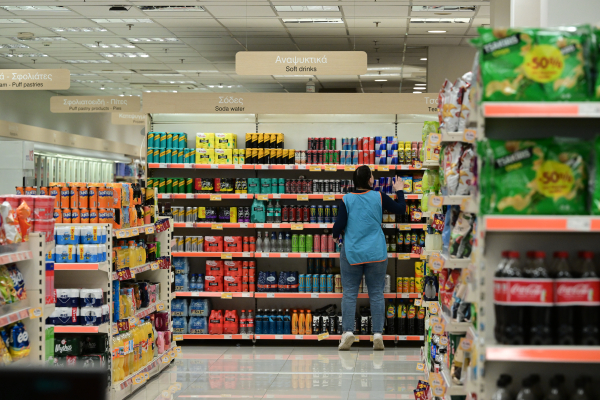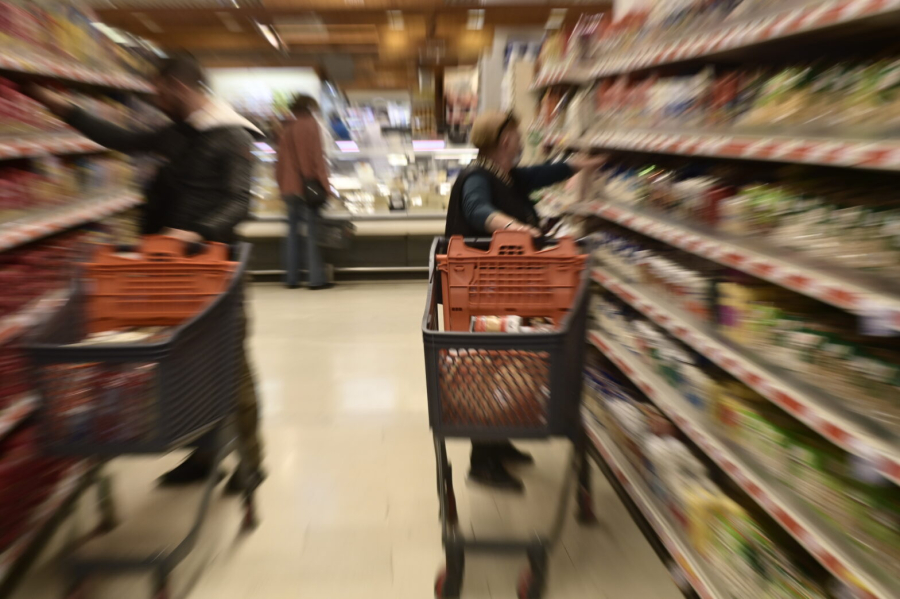

The Authority for Market Supervision and Consumer Protection said it recorded 1,898 price reductions in supplier and wholesale price lists for essential goods between April 1 and June 24. The cuts, according to the agency, were concentrated in products that directly affect household budgets, including fresh meat, coffee, cheese, olive oil and pasta.
But official inflation data from the Hellenic Statistical Authority, or ELSTAT, tell a more complicated story and raise a simple question: Have these price reductions actually reached consumers?
According to ELSTAT, the largest monthly price declines in May were recorded in breakfast cereals, down 6.9%, vegetables, down 4.7%, fruit, down 2.3%, fresh and frozen fish, down 2.7%, and lamb and goat meat, down 1.9%. Those declines had a modest but positive effect on the overall consumer price index, with falling vegetable prices making the largest contribution to lower inflation.
The discrepancy emerges in the very categories highlighted by the market watchdog. The biggest gap concerns fresh meat. The authority reported 1,116 price reductions in beef and pork. Yet ELSTAT's data show no monthly decline in either category. The only meat category registering lower prices in May was lamb and goat, whose decline had only a marginal impact on overall inflation.
Cheese presents a similar case. Despite the authority's report of 63 price cuts, ELSTAT recorded a 1% increase in cheese prices over the month, adding upward pressure to the inflation rate.
Questions also surround packaged coffee. The watchdog cited 120 price reductions, but coffee did not feature among the products showing meaningful monthly declines in ELSTAT's consumer-price measurements. Instead, the largest decreases were seen in fruit, vegetables and fish—categories that received little attention in the authority's announcement.
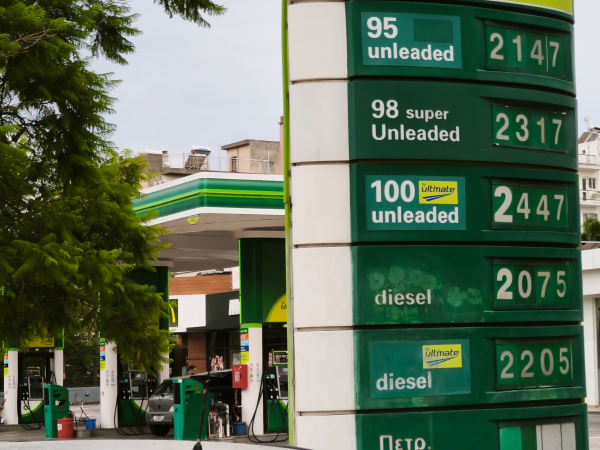
At the same time, increases in other areas offset much of the relief from lower food prices. Prices at restaurants, cafes, fast-food outlets and canteens rose 2.4%, making the largest upward contribution to inflation. Hotel prices jumped 11%, gasoline increased 2.3%, while housing rents and electricity prices also moved higher. Offsetting some of those increases were significant declines in natural-gas prices, diesel fuel, other fuels and airfares, all of which helped contain the overall inflation rate.
So who is right?
The answer is that the two institutions are measuring different things. The market authority tracks price reductions in supplier and wholesale lists offered to supermarkets. ELSTAT measures the final prices paid by consumers.
Even so, the data reveal a genuine inconsistency. If nearly 1,900 price cuts have been implemented for essential goods, why are the largest declines in the consumer basket concentrated in products such as vegetables, fruit and fish, while prices on supermarket shelves continue to rise in categories promoted as examples of falling costs, such as meat and cheese?