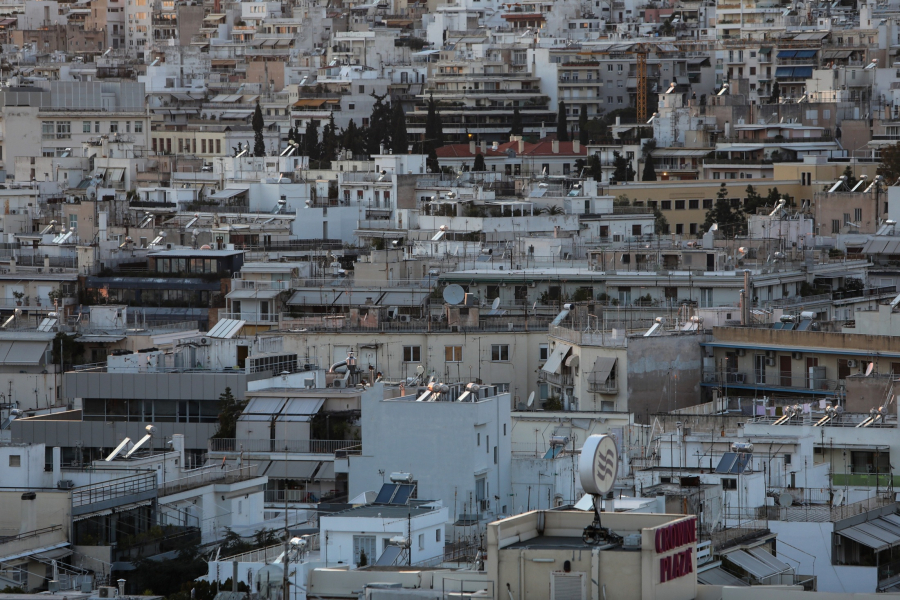
Greece’s short-term rental market accelerated sharply in July, as tighter supply and resilient tourism demand pushed nightly rates higher at a pace well above the European average.
Revenue per available rental, or RevPAR, rose 14.3% from a year earlier to €142.80, according to data from short-term rental analytics firm AirDNA. The increase came despite a decline in available properties, highlighting the pricing power of operators during Greece’s peak summer season.
Available short-term rental listings fell 2% from July 2025, while booked nights increased 1.9% to 2.68 million. With fewer properties competing for travelers, average occupancy rose by one percentage point to 71.3%.
ΔΙΑΒΑΣΤΕ ΕΠΙΣΗΣ



Prices provided most of the momentum. Greece’s average daily rate, or ADR, jumped 12.8% from a year earlier to €200.35, substantially outpacing the 8.2% increase recorded across Europe. Combined with higher occupancy, the increase drove RevPAR firmly into double-digit growth.
The figures point to a shift in one of Europe’s biggest tourism markets. After years of rapid expansion following the pandemic, growth in Greece’s short-term rental sector is increasingly being driven by higher prices and stronger utilization rather than a continuing increase in the number of properties.
The decline in supply also coincides with tighter regulation. AirDNA linked part of the contraction to rules that took effect in October 2025. Properties that don’t meet Greek planning requirements for spaces intended for primary residential use can be removed from records maintained by the Independent Authority for Public Revenue, including the country’s Short-Term Stay Property Registry.
The measures are part of a broader attempt by Greek authorities to tighten standards in a sector that has become an important part of the tourism economy while attracting scrutiny over its effect on housing availability.
Luxury rentals showed particularly strong momentum. Occupancy among luxury properties reached 48.75% in July, up 4.8 percentage points from a year earlier. Upper-tier properties recorded a four-percentage-point increase to 56.4%.
Budget properties remained the most heavily occupied category, at 59.2%, though their occupancy rate increased only 0.5 percentage point.