
Greece is preparing another round of accelerated debt repayments from a position that would have seemed improbable during the eurozone crisis: Investors are demanding less compensation to lend to Athens than to Rome across important parts of the bond market.
Greece’s benchmark 10-year bond yielded 3.866% on Aug. 17, compared with 3.982% for Italy, according to Greece’s Public Debt Management Agency, citing Bloomberg data. At five years, Greek debt yielded 3.241%, against 3.361% for Italy.
The advantage widens further out. Greece’s 15-year yield stood at 3.993%, compared with 4.383% for Italy, while its 30-year yield of 4.577% was below Italy’s 4.796% and France’s 4.838%.
ΔΙΑΒΑΣΤΕ ΕΠΙΣΗΣ



The reversal is striking for a country whose bonds were at the center of the eurozone sovereign-debt crisis. Germany remains the region’s benchmark borrower, but Greece’s 10-year spread over German Bunds was 66 basis points, compared with 78 for Italy and 83 for France.
Greek yields themselves have risen this year amid a broader repricing of European interest rates. The 10-year yield was up 43 basis points since the start of 2026. The significance is therefore less about falling absolute borrowing costs than Greece’s improving position relative to other heavily indebted European governments.
Athens is seeking to reinforce that shift by accelerating debt reduction.
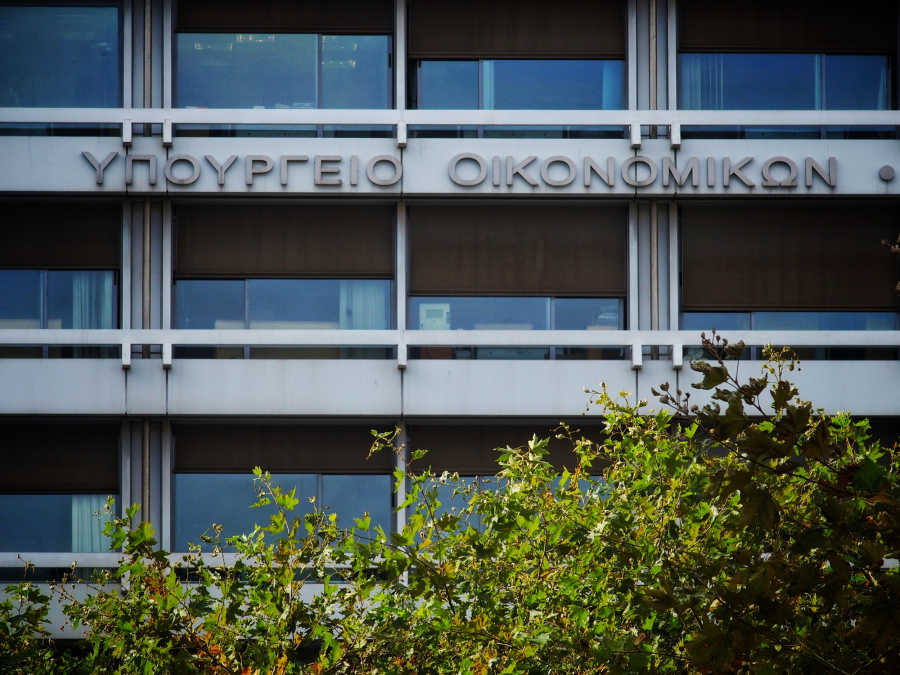
Greece plans to repay €13 billion ahead of schedule in 2026, following the early repayment in June of €6.94 billion from bilateral loans provided by euro-area governments during the crisis.
The strategy is supported by a sharply improved fiscal position. Greece’s debt is projected at €357.5 billion this year, or 136.8% of gross domestic product, down from 146.1% in 2025 and 177.8% in 2022. The government is projected to record a primary budget surplus of 3.2% of GDP and a small overall surplus.
Finance Ministry officials estimate that every €1 billion repaid early saves about €30 million annually at current refinancing costs. The €13 billion repayment is expected to generate annual savings of roughly €360 million and more than €2 billion over seven years.
Since 2019, Greece has repaid about €36 billion of loans ahead of schedule through the end of 2025. Athens aims to retire the bilateral euro-area loans by 2031, a decade earlier than originally planned.
Greece still carries one of Europe’s largest debt burdens. But its unusually long debt maturities, favorable crisis-era financing terms and persistent fiscal surpluses have reduced refinancing risks.
A decade ago, investors questioned whether Greece could service its debt at all. Today, at several maturities, they are willing to lend to Athens more cheaply than to Rome.