

Greek households are facing another squeeze on their budgets as higher energy costs and disruptions to global trade work their way through factories, transportation networks and, ultimately, retail prices.
A new round of increases is expected to reach supermarket shelves from October, with pressure likely to intensify toward the end of 2026 and into early 2027. Suppliers have already submitted higher price lists for staples including dairy products, cheese and baked goods, arguing that production costs have risen more sharply than anticipated earlier this year. Energy is at the center of the problem. Higher oil prices are raising the cost of manufacturing and transportation as well as packaging. Plastics are closely tied to petroleum prices, while paper production is energy-intensive. A $10 increase in the price of a barrel of crude can add as much as €0.16 a kilogram to the cost of resins used in plastic packaging.
International shipping is adding another layer of expense. Conflicts in the Middle East, attacks along commercial shipping routes and continuing uncertainty around the Black Sea have forced longer journeys and contributed to delays. Raw materials and finished goods can therefore become more expensive before they even reach Greek factories or stores.
ΔΙΑΒΑΣΤΕ ΕΠΙΣΗΣ


Agriculture is under pressure, too. Average prices for phosphate fertilizers in the European Union reached €739 a metric ton in August, up roughly 30% from a year earlier. Greek producer prices for cow's milk have risen to €0.58 a liter from €0.55, while higher grain and animal-feed costs threaten to push up prices for bread, dairy products and meat.
Consumers are starting from an already elevated base. Food prices in Greece in August were 36.35% higher than in August 2020 and 24.5% above March 2022 levels.
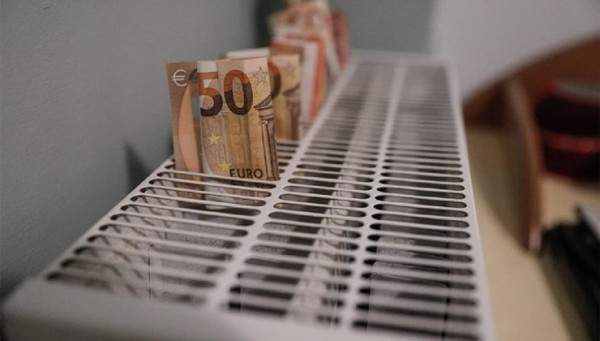
Energy bills present an equally difficult picture. Unleaded gasoline is trading around €2.20 a liter, compared with €1.75 a year earlier, while diesel has risen to roughly €2.20 from €1.54. Heating oil could cost around €1.75 a liter this winter—about €0.60 more than last year, adding roughly €300 to a 500-liter household order.
Electricity remains another source of uncertainty, particularly because nearly seven in 10 Greek households are on variable-rate contracts.