
Greece’s biggest military buildup in decades is becoming more than a shopping spree for fighter jets, frigates and missile systems. It is also turning the country into an increasingly important industrial foothold for some of the world’s largest defense contractors.
Athens is seeking to shift its procurement model from simply buying weapons abroad to producing, maintaining and supporting more of them at home. A 12-year defense modernization program, alongside new European financing initiatives and the European Union’s push to expand its defense-industrial capacity, could channel billions of euros into Greek factories, shipyards and technology companies.
The opportunity is considerable. So are the risks.
Defense procurement brings together large government budgets, national-security considerations and intense competition among international suppliers. As foreign companies seek contracts and local partners, Greek authorities will face a parallel challenge: ensuring that industrial participation and procurement decisions are subject to rigorous oversight, with safeguards against conflicts of interest, favoritism and illegal activity.
ΔΙΑΒΑΣΤΕ ΕΠΙΣΗΣ

Germany’s Rheinmetall sees Greece as a significant opportunity, citing Europe’s defense buildup, new EU financing and Athens’s long-term procurement plans. The company is already expanding its Greek presence through partnerships involving land systems and military vehicles.
Other international groups are following a similar path. Czech-owned Czechoslovak Group is working with state-owned Hellenic Defence Systems on large-caliber ammunition production. Greek industrial group Metlen has a longstanding relationship with Germany’s KNDS, including manufacturing work associated with Leopard tanks.
U.S. defense companies have an established position. Lockheed Martin has worked for years with Hellenic Aerospace Industry, including on Greece’s upgrade of its F-16 fleet to the Viper configuration. Greece’s planned introduction of F-35 fighters is likely to create further demand for infrastructure, training, maintenance and technical support.
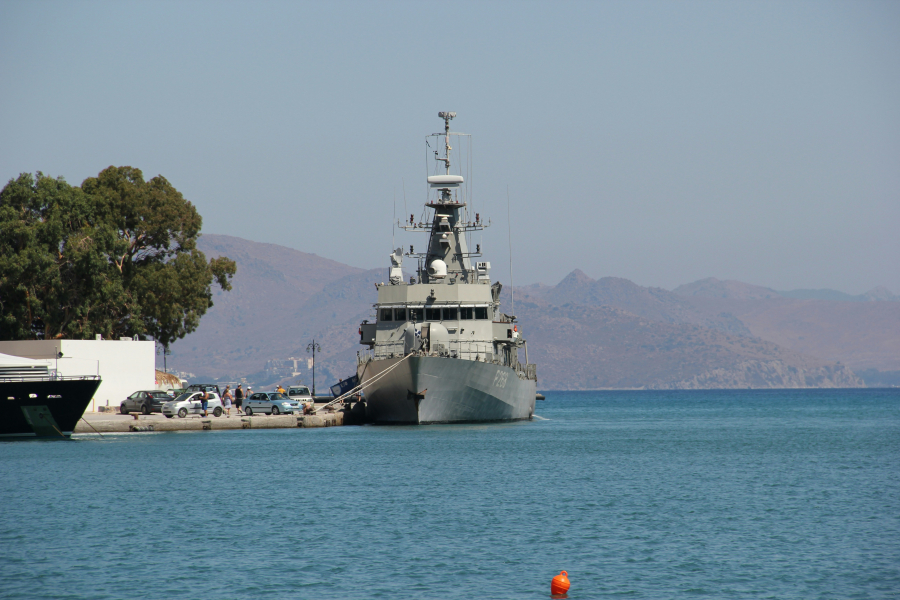
The naval sector offers perhaps the clearest example of the new model. Greek companies and shipyards are participating in France’s FDI frigate program, while domestic yards are expected to play a central role in modernizing Greece’s MEKO 200HN frigates. Plans involving Italian FREMM frigates could create additional maintenance and support work.
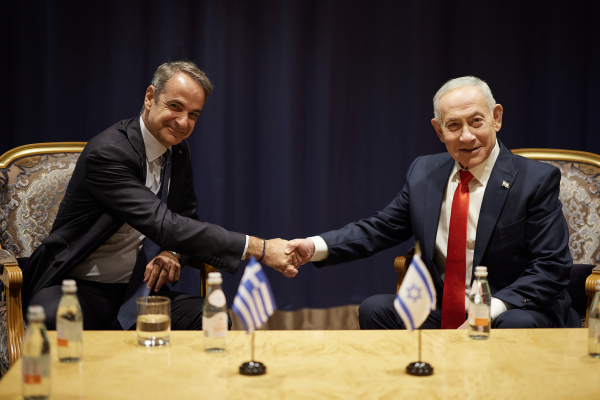
An even bigger test will be the planned “Achilles Shield,” Greece’s roughly €3 billion multilayer air- and missile-defense program. More than €750 million is expected to involve Greek companies working alongside major Israeli defense groups including Rafael and Israel Aerospace Industries.
For Greece, the prize is not merely military capability. Done properly, the spending could leave behind factories, skilled jobs, technological expertise and companies integrated into international defense supply chains.
But the scale of the money and the number of competing interests make transparency particularly important. Greece’s challenge will be to demonstrate that its new defense-industrial strategy can deliver not only weapons and investment, but also procurement procedures robust enough to ensure that public money and national-security priorities aren't distorted by improper influence. That may prove as important to the program’s long-term credibility as the weapons themselves.