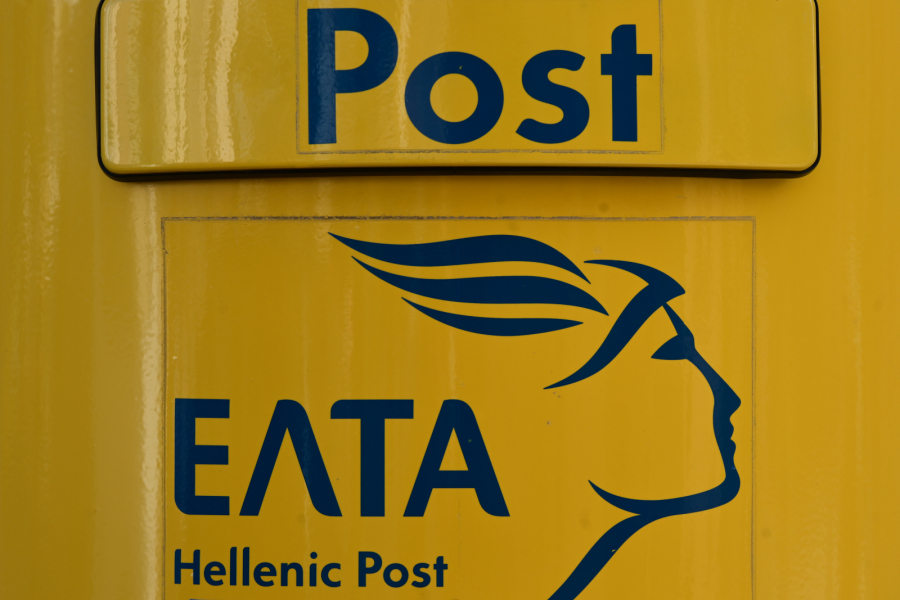

Greece is tightening oversight of its postal and courier sector with a comprehensive update to privacy and security rules, bringing parcel lockers, sorting hubs and drone deliveries under a modern regulatory framework.
The new framework, issued by Greece’s communications privacy watchdog, the Hellenic Authority for Communication Security and Privacy (ADAE), replaces regulations that had been in force since 2005. The changes reflect the rapid transformation of the postal sector, driven by e-commerce growth, automated delivery systems and increasingly digital logistics networks.
Under the new rules, all licensed postal operators will be required to adopt comprehensive privacy-protection policies covering shipment security, incident management and employee training. The regulation also introduces more stringent oversight and accountability requirements for companies handling letters and parcels.
ΔΙΑΒΑΣΤΕ ΕΠΙΣΗΣ


Particular attention is given to what regulators describe as vulnerable points within postal networks, including customer service outlets, sorting facilities, transportation vehicles, parcel lockers and final delivery locations. Operators will be expected to implement enhanced physical-security measures, including surveillance systems, alarm networks and controlled-access procedures.
For courier companies that rely on third-party collection points embedded within retail stores, often referred to as “shop-in-shop” locations, the regulations require a clear separation between customer-facing areas and spaces where parcels and correspondence are stored. Companies must also ensure that unauthorized individuals cannot access shipments.
Sorting centers will face tighter controls as well. Operators will be required to maintain records of all visitors and external contractors entering areas where postal items are stored, including identification details and entry and exit times. Those records must be retained for at least two years.
The new framework devotes significant attention to automated parcel lockers, which have become increasingly popular among consumers across Europe. Operators must equip lockers with enhanced security features and ensure that parcels can be collected only through unique access codes or PIN numbers. The objective is to provide verifiable evidence of who collected a shipment and when, should a dispute arise.
Registered mail and shipments containing declared valuables will also be subject to stricter delivery procedures. Postal workers delivering court documents, banking correspondence or other sensitive materials will be required to verify the recipient’s identity and obtain a signature upon delivery. If a third party accepts the item on behalf of the recipient, appropriate authorization will be required to ensure the delivery remains legally valid.
The regulation also provides a detailed definition of what constitutes a breach of postal confidentiality. Violations include opening letters or parcels without legal justification, reading correspondence, disclosing sender or recipient information to third parties, or revealing details regarding the timing of shipments and deliveries. The loss or unlawful appropriation of postal items is likewise considered a breach.
Postal operators will face expanded obligations when security incidents occur. In the event of parcel theft from a transport vehicle, for example, or a cyberattack affecting shipment-tracking systems, companies will be required to promptly notify ADAE and provide details of the incident, its consequences and the corrective measures taken.
Employee training is another key component of the new regime. New hires will receive privacy-related instruction upon joining a company, while existing staff must undergo refresher training at least once a year.
The regulations also anticipate future developments in logistics by establishing specific requirements for drone-based deliveries. Companies using drones to transport pharmaceuticals, documents or other sensitive items to remote areas will be required to secure shipments in protected containers designed to prevent unauthorized access during flight.
Where deliveries are made to automated lockers or designated pickup points, operators must ensure that only the intended recipient can retrieve the shipment through PIN codes or other authentication methods. Misdelivery or exposure of a package in a public location could trigger privacy-breach concerns under the new rules.
In cases where a drone malfunction or crash results in the loss of a shipment or exposure of its contents, operators will be required to document the incident, investigate its causes and submit a dedicated security report to the regulator.