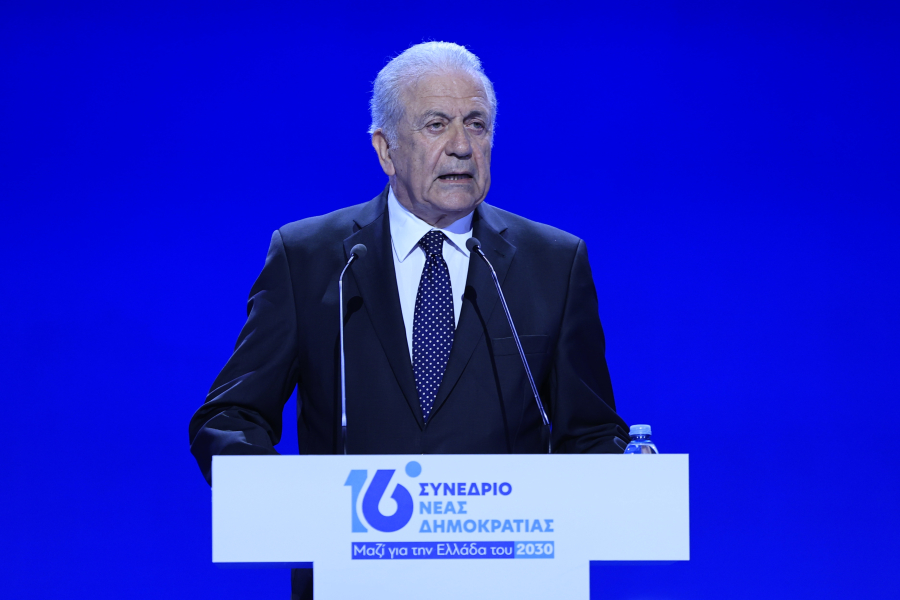

Belgian authorities have requested the lifting of parliamentary immunity for former European commissioner Dimitris Avramopoulos as part of the ongoing Qatargate investigation, reopening scrutiny of figures linked to Fight Impunity, the NGO that became central to the corruption scandal that shook the European Parliament.
According to Greek media reports, Belgian prosecutors have issued an arrest warrant for Avramopoulos in connection with his past involvement with Fight Impunity, an organization founded by former Italian MEP Antonio Panzeri, who later became a key figure in the Qatargate case.
The warrant cannot be executed unless the Greek parliament first votes to lift the immunity of Avramopoulos, who currently serves as an MP for the ruling centre-right New Democracy party.
ΔΙΑΒΑΣΤΕ ΕΠΙΣΗΣ


The case file has reportedly been transmitted to Greece's judicial authorities and is expected to be forwarded to parliament, which will decide whether to allow the legal process to proceed.
Belgian prosecutors are said to be examining payments made during Avramopoulos' association with the NGO. According to reports, investigators allege he received approximately €75,000 from Fight Impunity. No formal charges have been announced publicly.
Background to the Qatargate investigation
The development revives one of the European Union's most damaging corruption scandals in recent years. The Qatargate investigation, launched in 2022, focused on allegations that Qatar and other foreign actors sought to influence European Parliament decision-making through payments and gifts routed through individuals and organizations linked to Panzeri. The scandal led to a series of arrests, including that of former European Parliament Vice President Eva Kaili.
Avramopoulos served on the board of Fight Impunity before the scandal emerged. In 2022, he acknowledged receiving around €60,000 in compensation from the organization between February 2021 and February 2022 and subsequently resigned from his honorary position.
Responding to the latest developments, Avramopoulos denied any wrongdoing and said he would not seek the protection of parliamentary immunity. In a statement, he said his involvement with Fight Impunity had been legal, transparent and approved by the European Commission, adding that he had no direct or indirect involvement in any illicit activity.
He also criticized what he described as efforts by Belgian authorities to reconnect his name to the case, arguing that the matter had effectively been settled years ago through institutional procedures. Avramopoulos said he would cooperate with Greek judicial authorities and request a full investigation.
People close to the former commissioner argue that his role within Fight Impunity was honorary and advisory rather than executive. They maintain that he had no responsibility for the NGO's finances, fundraising activities or day-to-day management and was not involved in decisions concerning its sources of funding.
Under Greek law, parliament must first approve any request to lift the immunity of a sitting lawmaker. If lawmakers grant the request, Greek courts would then consider whether Avramopoulos should be surrendered to Belgian authorities as part of the investigation.
The process is expected to take several months, potentially extending beyond the summer, while Belgian investigators continue to pursue remaining strands of a scandal that continues to cast a shadow over European politics nearly four years after it first erupted.