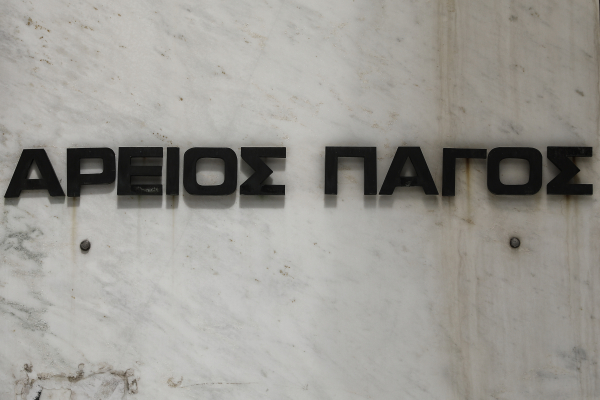
Thirteen Greek political figures, including serving ministers and members of parliament from the ruling New Democracy party, have been named in a new case file linked to an investigation into the alleged misuse of EU agricultural subsidies, in a development that has triggered fresh political pressure on the government. The case file, compiled by the European Public Prosecutor’s Office (EPPO), has been forwarded to Greece’s supreme court and is expected to be sent to parliament via the justice ministry, as Greek law requires parliamentary involvement in cases concerning current or former ministers.
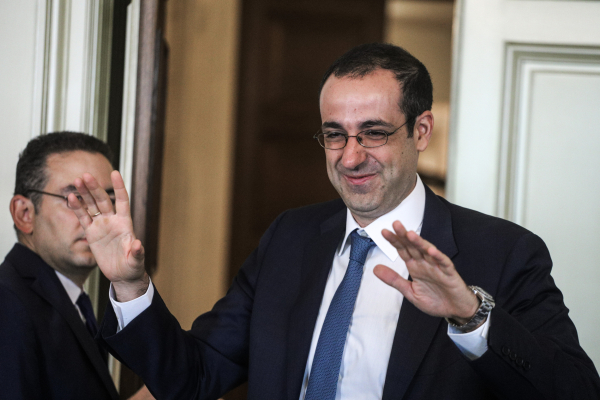
According to Greek media reports, the individuals named include the current rural development minister, Kostas Tsiaras, former transport minister Kostas Achilleas Karamanlis, former rural development minister Spilios Livanos, former deputy minister Fotini Arabatzi, and the secretary of the ruling New Democracy party, Kostas Skrekas, along with several other MPs.
The investigation relates to the management and distribution of EU agricultural subsidies through OPEKEPE, the Greek authority responsible for payments to farmers. European prosecutors are investigating suspected large-scale fraud involving EU funds allocated to agriculture.
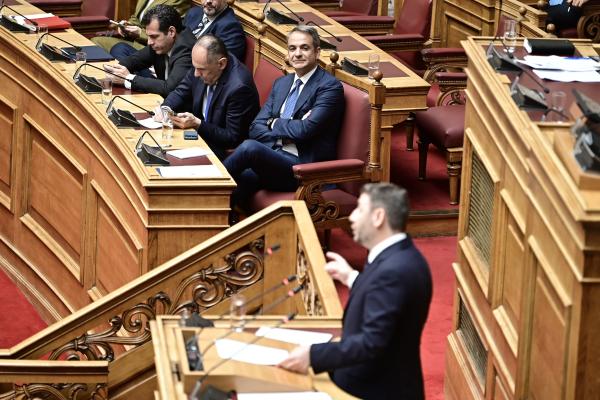
Under Greece’s constitution, cases involving alleged offences committed by ministers while in office fall under a special legal regime, meaning parliament must decide whether to initiate criminal proceedings. This is expected to become a central political issue once the case file reaches parliament and the extent of each politician’s alleged involvement becomes clearer.
The government has so far adopted a cautious stance, stating that it will not comment until the case file is officially submitted to parliament. However, the political stakes are high, particularly because several of the individuals named are currently serving in government positions. If political responsibility is established, resignations could follow and potentially lead to a cabinet reshuffle.
The development comes at a politically sensitive time for the Greek government, which is already facing pressure over other ongoing issues, including the Tempi train disaster investigation, the wiretapping scandal and rising living costs. Opposition parties have already called for full transparency and demanded that the government allow investigations to proceed without political interference.
The central political question now is whether parliament will vote to lift immunity for MPs named in the case and whether the government will follow the same approach it took in a previous OPEKEPE-related case, which led to the resignation of several government officials.
Although the next Greek general election is scheduled for 2027, political analysts say that the combination of judicial investigations and political pressure could destabilise the government if more senior figures become formally implicated in the scandal.