Greece’s opposition has accused the country’s judicial leadership of burying one of the most explosive political scandals of recent years, after a Supreme Court prosecutor refused to reopen the wiretapping case involving Predator spyware.
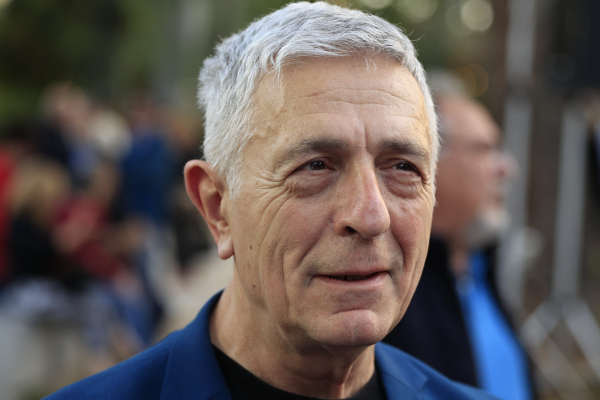
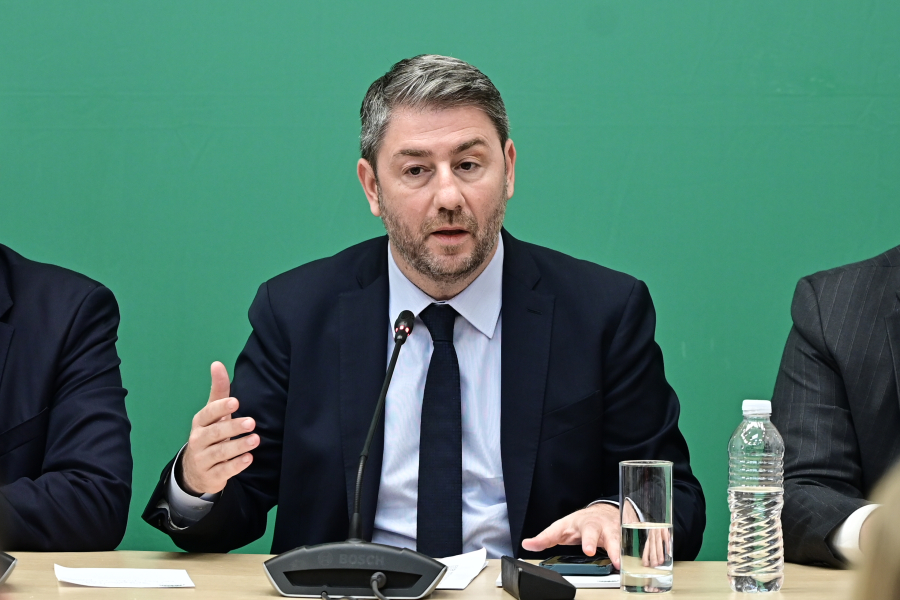
Nikos Androulakis, the leader of the centre-left PASOK party and one of the best-known targets of the surveillance operation, held an emergency press conference in Athens on Monday, hours after prosecutor Konstantinos Tzavellas ruled that the case should remain archived. The decision triggered an immediate political backlash, with opposition parties alleging a cover-up and warning of a deepening crisis in the rule of law. The government rejected the accusations, saying political leaders must respect the decisions of the judiciary. Androulakis said PASOK would ask parliament to establish an inquiry committee into the affair and called on other opposition parties to support the move. He also pledged to pursue all available legal avenues in Greece and at European level.
The scandal, which erupted after revelations that politicians, journalists, military officials and public figures had been targeted by Predator spyware or placed under state surveillance, has repeatedly raised questions about the independence of Greek institutions and the role of the intelligence service. At the press conference, Androulakis accused the Supreme Court’s leadership of refusing to investigate new evidence and of failing to summon key figures linked to the spyware affair. Referring to Tal Dilian, the Israeli former intelligence officer associated with spyware company Intellexa, he said a central witness had not been called to testify despite public claims about links to state actors. “For the leadership of the Supreme Court, there is no issue of espionage,” Androulakis said, arguing that the Greek public should draw its own conclusions.
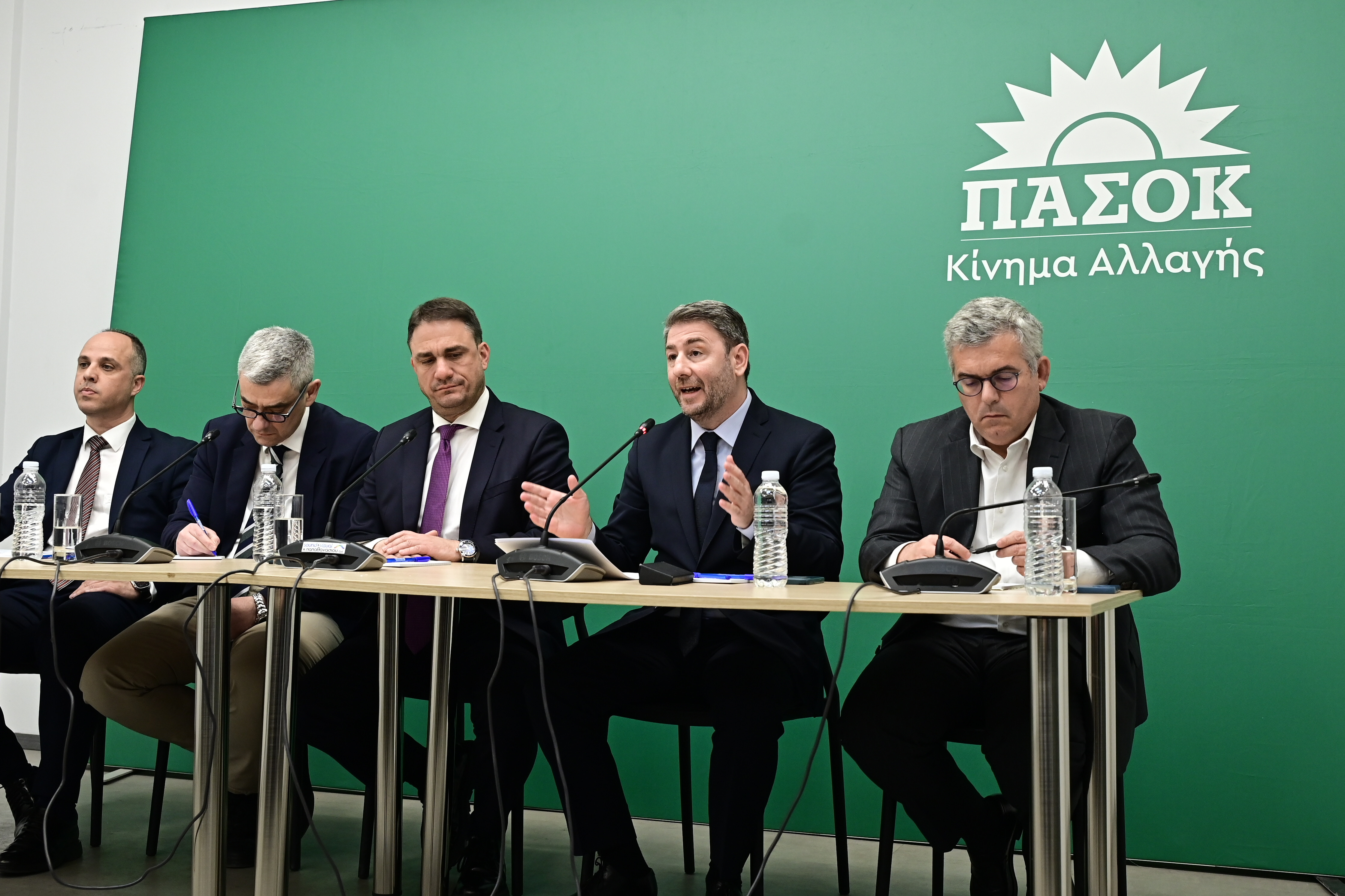
The PASOK leader said his party would seek to call Dilian before a parliamentary inquiry and ask him to submit evidence. He acknowledged that previous parliamentary investigations in Greece have often become politically polarised, but insisted that pursuing the case was an institutional duty.
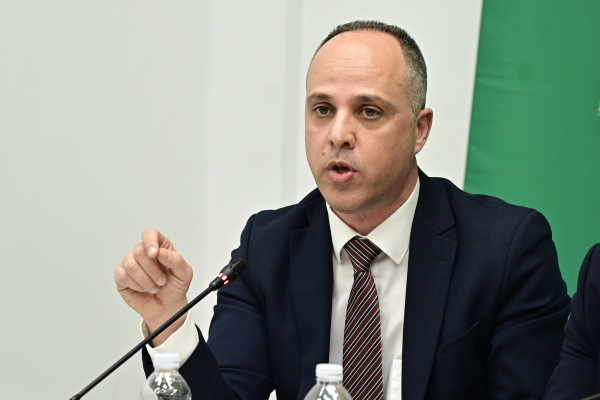
The most serious allegations came from Zacharias Kesses, a lawyer representing victims of Predator surveillance. He said he had formally informed the Supreme Court on Friday that six new complaints and confidential documents were about to be submitted. According to him, the case was archived on Monday, the first working day after that notification.
Kesses claimed the timing showed there had been no real intention to examine the new material. He accused judicial officials of rushing to close the file before further evidence could be introduced.
The affair has reignited a broader debate in Greece over the separation of powers, judicial independence and the extent of government accountability. Former prime minister Alexis Tsipras said that “what is easily put in the archive can just as easily be taken out,” while SYRIZA accused the Supreme Court of once again covering up the scandal. The Communist party described the decision as “very convenient” for the government, and the New Left called it “outrageous”.
The government spokesman, Pavlos Marinakis, dismissed the opposition’s claims, saying that respect for judicial decisions was a basic democratic obligation.
But for Androulakis, the issue is now larger than the surveillance scandal itself. He framed the case as a test of Greece’s democratic institutions, arguing that the next election would be crucial for the rule of law.
“This is not a secondary issue,” he said. “The quality of democracy is a central issue.”