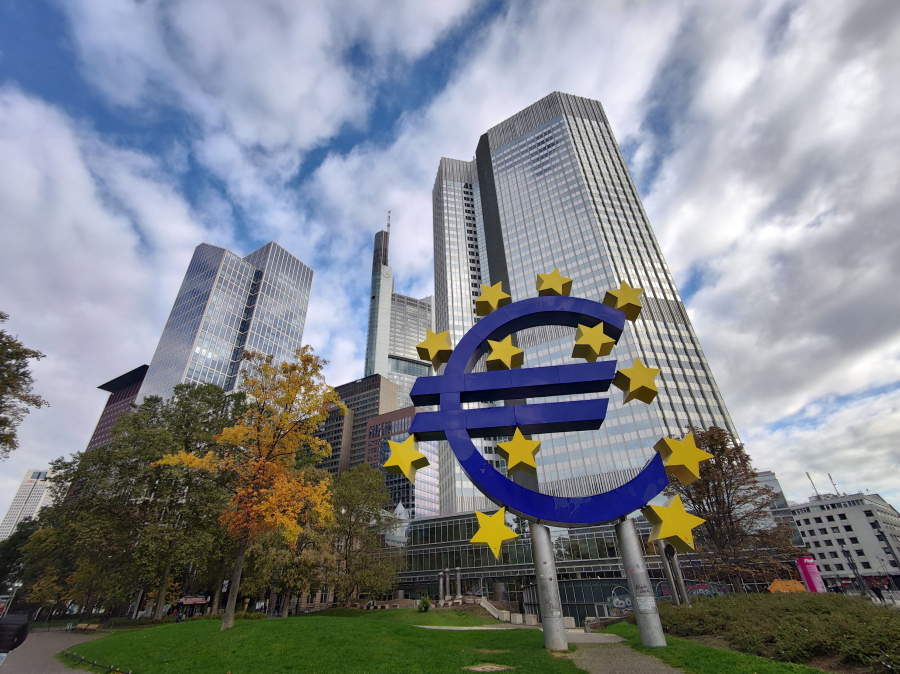

The European Central Bank’s decision to raise its benchmark interest rates by 25 basis points is set to make borrowing more expensive across the eurozone, but the impact in Greece is expected to fall disproportionately on households and businesses with variable-rate debt while offering little relief to savers.
The latest increase is part of the ECB’s broader effort to tame inflation by tightening financial conditions, making credit more costly and slowing demand in the economy. By raising the price of borrowing, policymakers hope to steer inflation back toward the central bank’s 2% target and prevent sustained increases in prices and wages from becoming entrenched.
For many Greek borrowers, however, the move means higher monthly payments and more expensive access to financing. The effects will be felt first by homeowners with floating-rate mortgages, which are typically linked to the Euribor or other interbank benchmarks. As those reference rates rise, monthly loan installments increase automatically, reducing disposable income for affected households.
ΔΙΑΒΑΣΤΕ ΕΠΙΣΗΣ


Small and medium-sized businesses are also expected to come under pressure. Companies relying on variable-rate loans or working capital facilities will face higher financing costs, while self-employed professionals with business credit lines or revolving loans may see interest expenses rise when their contracts are adjusted. Borrowers with fixed-rate mortgages or business loans are shielded from immediate changes, although they could face higher costs if they refinance once their fixed-rate periods expire.
Even a relatively modest increase in benchmark rates can have a noticeable effect over time. A homeowner with a €100,000 variable-rate mortgage over 20 years could see monthly payments rise by roughly €12 to €14, adding as much as €170 to annual costs. For a €150,000 mortgage with a 25-year maturity, the increase could exceed €20 per month, translating into more than €250 in additional yearly payments.
Businesses face similar pressures. A company with a €500,000 floating-rate loan would pay approximately €1,250 more in annual interest if the full increase is passed through, while a €250,000 loan linked to the Euribor would cost around €625 more each year. Even smaller financing facilities become more expensive, with a €100,000 variable-rate business loan generating roughly €250 in additional annual interest.
While borrowers shoulder higher costs almost immediately, Greek savers are unlikely to enjoy equivalent gains. The country’s banking sector has historically been slow to pass higher policy rates on to depositors, with increases in savings rates typically lagging behind loan repricing by a considerable margin.
Despite repeated ECB rate hikes over the past several years, deposit returns have remained subdued. In March 2026, the average interest rate on new deposits stood at just 0.31%, compared with an average rate of 4.39% on new loans, highlighting the wide gap between what banks pay savers and charge borrowers.
That disparity means the benefits of tighter monetary policy are unevenly distributed. While banks have been able to preserve strong lending margins and improve profitability, households with savings continue to earn relatively modest returns despite the broader rise in interest rates across the euro area. For borrowers, by contrast, the effects of monetary tightening are felt quickly and directly through higher debt-servicing costs, adding another layer of financial pressure at a time when many families and businesses are already grappling with elevated living and operating expenses.