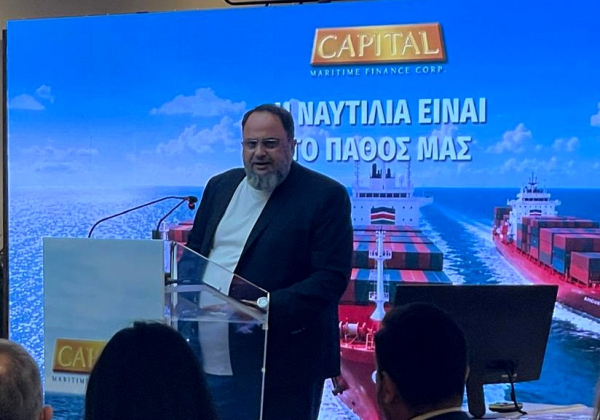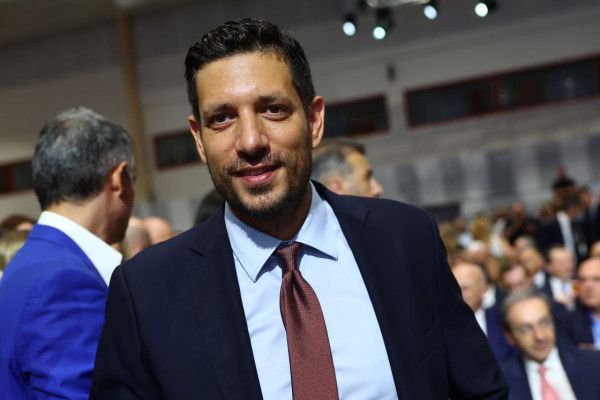
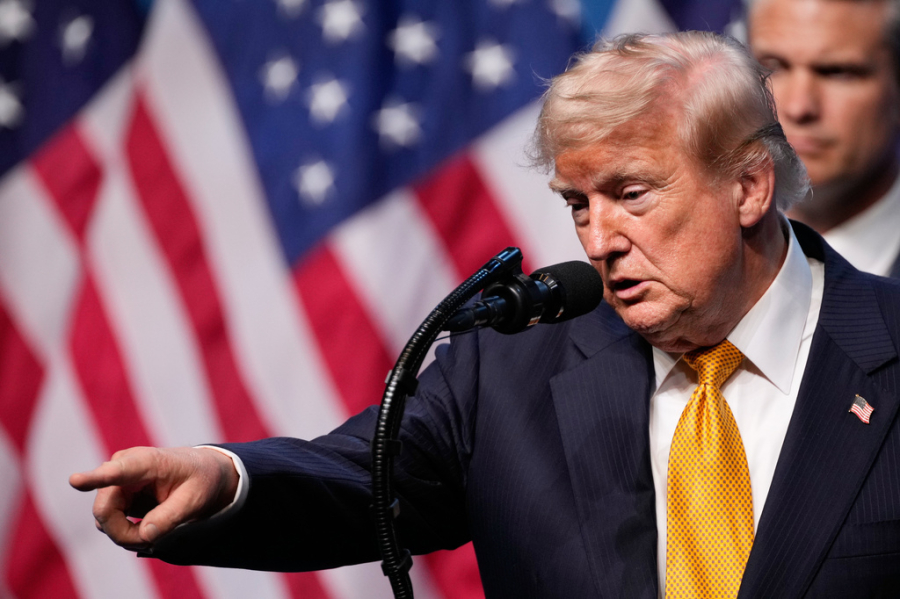
U.S. President Donald Trump has signaled support for imposing fees on vessels transiting the Strait of Hormuz, a proposal that, according to people familiar with the matter, was put forward several weeks ago by Greek shipping entrepreneur Evangelos Marinakis.
In an interview with Fox News on Monday, President Trump outlined a vision under which the United States would assume responsibility for overseeing one of the world's most strategically important maritime chokepoints and receive compensation for safeguarding freedom of navigation.
"We'll keep the Strait. We'll probably manage it. We'll become the guardian of the Strait—maybe the guardian angel of the Strait. And we should be compensated for doing that," President Trump said.
His remarks closely mirror a proposal that sources say Mr. Marinakis, founder and chairman of Capital Maritime & Trading, presented to the Trump administration weeks earlier. The plan calls for a system of transit charges on ships passing through the Strait of Hormuz to fund the security infrastructure needed to protect one of the world's busiest energy corridors.
The Strait of Hormuz carries a substantial share of global crude oil and liquefied natural gas exports, making it the world's most important maritime energy passage. Any disruption to shipping through the waterway has immediate repercussions for energy prices, freight markets and global supply chains.
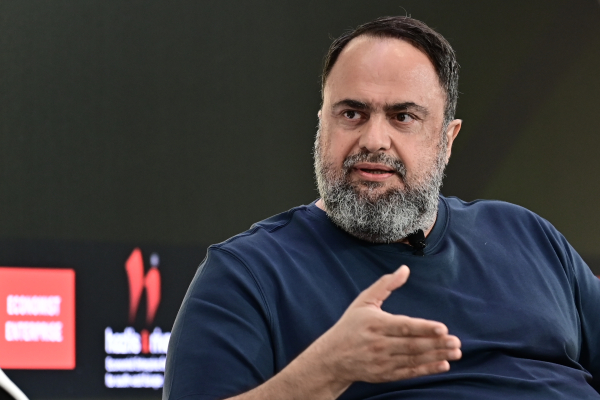
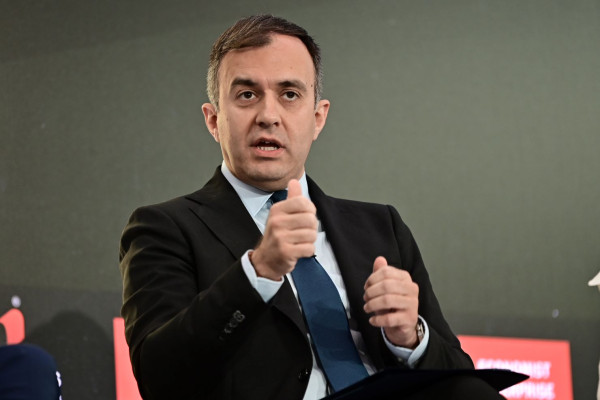
Speaking recently at an Economist conference, Mr. Marinakis publicly reiterated his proposal, arguing that a transit-fee mechanism could help preserve freedom of navigation while significantly reducing the cost of war-risk insurance for commercial vessels. He said war-risk insurance premiums currently range from $1 million to $3 million per transit, regardless of whether hostilities are actively taking place, imposing a significant burden on global trade. Replacing those insurance costs with a structured transit-fee system, he argued, would allow commercial shipping to continue operating efficiently even during periods of heightened geopolitical tension.
Mr. Marinakis also argued that maintaining uninterrupted maritime traffic would give governments more time to pursue diplomatic solutions to regional conflicts without disrupting the global economy. With Europe and Asia already under pressure from inflation and elevated energy and commodity prices, he said, ensuring the uninterrupted flow of trade has become an economic necessity.
Under his proposal, revenue generated from the transit fees would be shared between Arab countries affected by regional conflicts and the United States, which has borne much of the cost of military operations in the region. Mr. Marinakis described the plan as a market-based solution designed to support maritime security while benefiting the global economy.