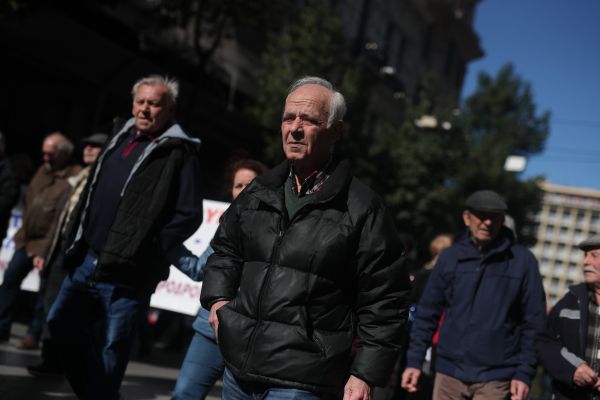
A 2.5% pension increase paid at the end of last year has already been overtaken by inflation. If consumer prices finish the year rising between 3.8% and 4%, as many economists expect, retirees will record yet another year of declining real income despite receiving higher nominal pension payments.
For many pensioners, the picture is even worse. Thousands remain subject to Greece's so-called "personal difference" mechanism—a legacy of pension reforms introduced during the country's sovereign debt crisis—which offsets part of any annual increase against historical pension adjustments. As a result, many retirees effectively received increases closer to 1.2%, widening the gap between pension growth and rising prices.
Headline inflation also understates the pressure facing older households. Pensioners spend a disproportionately large share of their income on food, electricity, heating, medicines, rent and healthcare—categories where prices have generally risen faster than the overall inflation rate.
The result is that higher monthly pension payments no longer translate into improved living standards. Rising grocery bills, utility costs and medical expenses are absorbing virtually all of the nominal gains.
Unlike working households, retirees have few opportunities to supplement their income. For most, the state pension represents their primary—or only—source of income, making inflation particularly damaging.
The latest squeeze comes after a decade of deep pension reductions imposed during Greece's financial crisis. Between 2010 and 2018, pension cuts reached between 20% and 45% for many categories of retirees. Although annual increases resumed in 2023 after years of freezes, they have only partially restored those losses.
A pensioner who received a monthly pension of €1,300 before the austerity-era cuts, for example, saw payments fall to €940 during the crisis. Successive increases since 2023 have lifted that amount to roughly €1,085 a month—an improvement of about €145 but still €215 below the pre-crisis level, even before accounting for the erosion caused by inflation.
Official data suggest that the purchasing power of the average old-age pension increased by just 0.8% in real terms between 2019 and 2025. In the public sector, the real value of the average main pension actually declined over that period despite nominal increases.
Unless inflation eases significantly, 2026 risks becoming another year in which Greek retirees see more money deposited into their bank accounts but find themselves able to purchase fewer goods and services.
The deterioration is increasing pressure on Prime Minister Kyriakos Mitsotakis's government to unveil additional support measures during the annual policy announcements at the Thessaloniki International Fair in September.
Officials are considering several options, including a supplementary inflation-linked pension adjustment, an increase in the annual support payment for low-income pensioners, and changes to the solidarity levy imposed on higher pensions.
The leading proposal would grant an additional pension increase of between 2% and 2.5% to partially offset the gap between statutory pension indexation and the actual rise in living costs.
The government is also weighing an increase in the annual pension support payment from €300 to as much as €350 or even €400, while expanding eligibility to cover more retirees.
Even if adopted, however, such measures would largely compensate for lost purchasing power rather than deliver a meaningful rise in real incomes. As long as prices for essential goods continue to rise faster than pensions, the financial position of Greece's elderly is likely to keep deteriorating, forcing the government to search for additional fiscal space to provide further support.