
The prospect of a visit by U.S. President Donald Trump to Ankara for this summer’s NATO summit is fast emerging as a focal point of geopolitical maneuvering in the Eastern Mediterranean, with Turkey and Greece reading the potential trip through sharply different lenses.
Turkish officials are said to be investing significant diplomatic capital in the planned July 7–8 summit, where Trump is expected to meet President Recep Tayyip Erdoğan. For Ankara, the visit represents more than a routine alliance gathering. It is viewed as a rare opportunity to reset strained ties with Washington and, crucially, to push for the removal of U.S. sanctions that have frozen Turkey out of the F-35 fighter jet program.
The timing is not accidental. In recent months, Turkey has stepped up its activity in contested areas of the Eastern Mediterranean, a move that Greek officials interpret as part of a broader strategy to reinforce its negotiating position ahead of high-level talks. Incidents involving survey and commercial vessels in international waters—particularly east of Crete—have underscored Ankara’s willingness to assert its claims on the ground, or at sea, even as diplomatic channels remain active.
Athens, for its part, is watching the planned Trump-Erdoğan meeting with a mix of caution and realism. Greek officials believe Turkey is signaling that improved U.S.-Greek defense ties and European backing for regional energy projects will not shift Ankara’s core positions, including its adherence to a controversial maritime agreement with Libya.
The visit also puts Washington in a delicate position. The U.S. has deepened defense cooperation with Greece in recent years, while simultaneously seeking to keep Turkey anchored within NATO despite recurring tensions. A high-profile meeting between Trump and Erdoğan risks being interpreted—particularly in Athens—as a tilt toward Ankara at a moment of heightened regional friction.
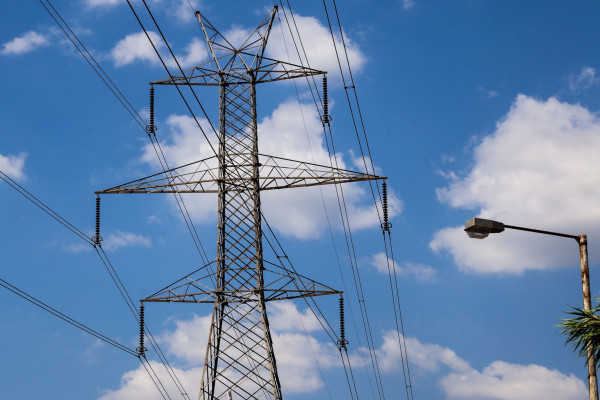
European officials are similarly attentive. The Eastern Mediterranean has become a strategic energy corridor, with projects like the Greece–Cyprus electricity interconnector backed by Brussels as part of a broader effort to reduce dependence on Russian energy. Ursula von der Leyen has recently reaffirmed the EU’s commitment to such initiatives, signaling that Europe intends to remain an active player in the region’s evolving energy map.
For Turkey, however, the immediate priority is Washington. Securing progress on sanctions relief and defense procurement would mark a significant diplomatic win for Erdoğan, particularly at a time when Ankara is seeking to reassert its regional influence.
Whether Trump’s visit delivers tangible outcomes remains uncertain. Greek officials quietly express hope that, if the U.S. president travels to Ankara, he might also make a stop in Athens—though they acknowledge that such decisions are driven entirely by American calculations.