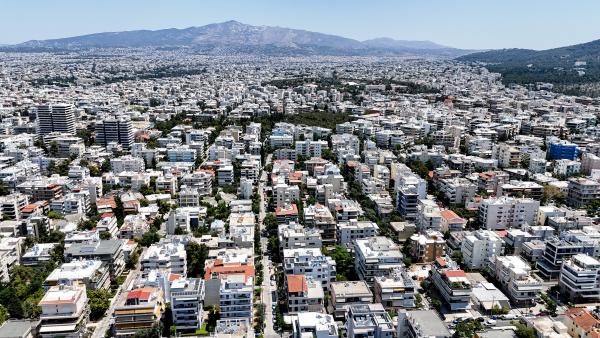


As property prices continue to surge with no clear signs of easing, Greece’s government is grappling with a politically fraught decision: whether to adjust state-assessed property values to better reflect the market.
These “objective values,” as they are known locally, form the basis for property taxation. Bringing them in line with current market prices would almost certainly raise tax bills for thousands of homeowners. At the same time, officials believe such a move could cool demand in overheated areas—particularly where discrepancies between official and commercial values are large—helping to gradually stabilize the country’s real estate market.
The dilemma is as much political as it is economic. Any increase in taxable values would directly affect a broad swath of households, making it a sensitive issue for a government mindful of its electoral base.
Behind the scenes, tax authorities are preparing a structural overhaul of how property values are calculated. Plans are underway to introduce a fully automated nationwide system by early 2027, designed to adjust valuations dynamically in line with market trends. Under the proposed model, official prices would rise during periods of growth and fall when the market weakens, reducing the lag that has historically characterized Greece’s valuation system. The first automatic updates could take effect in 2028, provided political approval is secured.
A cornerstone of the initiative is the completion of a comprehensive property registry and its integration with the national land cadastre. Once operational, the system is expected to give authorities a detailed picture of property ownership across the country. It will aggregate data ranging from transaction prices to rental levels, creating a centralized database covering all categories of real estate.
The government has already taken steps toward digital modernization. Upgrades to an online platform that maps property values now provide public access to detailed information, including geographic price zones, baseline values, and calculation tools. Officials say the effort is aimed at improving transparency in a market long criticized for opacity.
The next phase involves building a mass appraisal system based on advanced statistical models and international standards. The platform will draw on data from public agencies, notaries, real estate firms, and the central bank, while also incorporating rental market trends.
The urgency of the reform reflects how far the market has moved since the last adjustment. Greece updated its official property values in 2021, with changes taking effect in 2022. Since then, real estate prices have climbed sharply—by as much as 70% in some areas—raising the prospect of significantly higher taxes if valuations are fully aligned with current market levels.