
A series of economic indicators suggests that price pressures in the southeastern European nation are likely to intensify during the summer months, driven by surging import costs, unusually strong increases in agricultural prices and the seasonal boost from tourism. The developments raise the prospect that Greek consumers could face another round of rising costs even as inflation moderates across much of the euro area.
The strongest warning signal comes from import prices. According to the Hellenic Statistical Authority, Greece's industrial import price index rose 18.4% in April from a year earlier, reflecting a broad increase in the cost of goods entering the country. The rise extends well beyond energy products to include imported raw materials and intermediate goods used by manufacturers and other businesses, increasing the likelihood that higher costs will eventually be passed on to consumers.
Imports from countries outside the eurozone recorded an even steeper increase of 31.1%, while energy imports surged 65.3%, tracking the latest rebound in international oil and fuel prices. Economists generally view such data as a leading indicator of future consumer inflation because businesses rarely absorb these cost increases indefinitely.
The effect is already becoming visible. Greece's annual inflation rate reached 5.2% in May, significantly above the eurozone average of 3.2% and marking the widest gap between the country and the monetary union in the past year. The divergence underscores how domestic factors are amplifying global inflationary pressures at a time when many European economies are benefiting from lower commodity prices.
Agriculture provides another example of Greece's exceptional trajectory. While agricultural producer prices across the European Union declined by an average of 2.9% in the first quarter of 2026, they increased 4.8% in Greece, making it one of only eight member states to record higher prices. Only Malta, Croatia and Finland reported larger gains.
The contrast is particularly notable given that producer prices have fallen sharply in some of Europe's largest economies. Belgium posted a decline of 12.9%, Germany 11% and Lithuania 10.8%. Across the bloc, milk prices dropped 15.5% and cereals fell 11.7%, trends that would ordinarily help reduce food inflation. In Greece, however, domestic production costs and structural market inefficiencies appear to be offsetting those disinflationary forces.
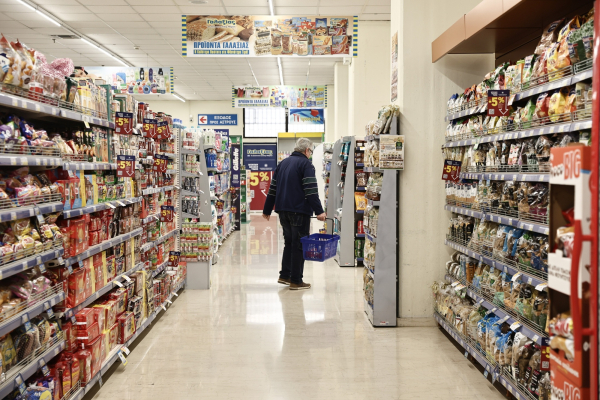
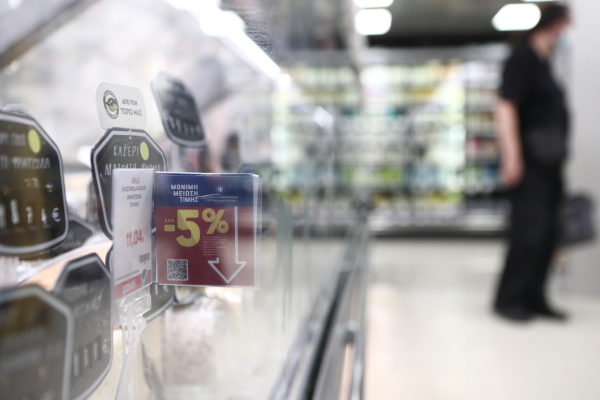
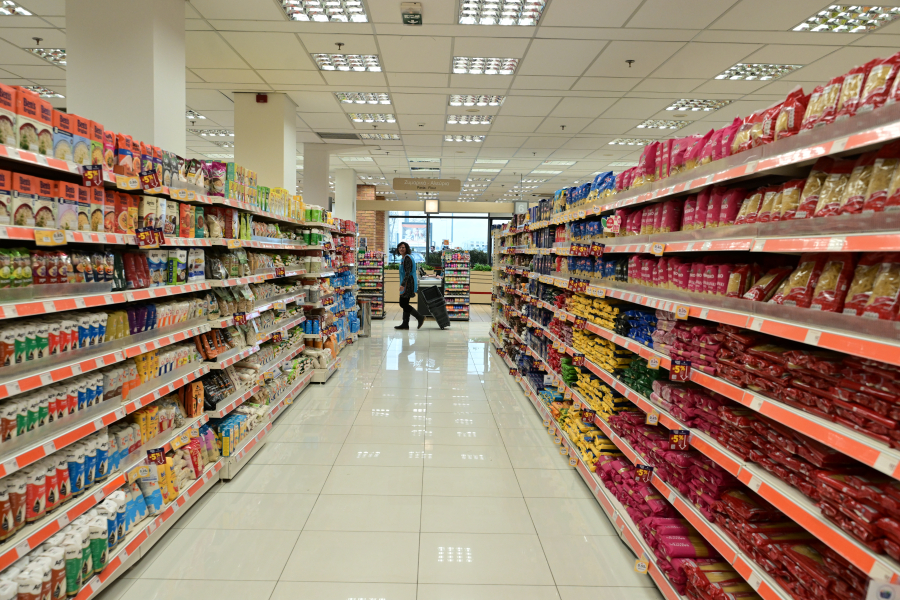
The result is a widening gap in grocery prices. Meat prices in Greece are rising almost twice as fast as in the eurozone, fresh milk prices continue to increase despite falling elsewhere in Europe, and vegetables and citrus fruits have recorded substantially larger gains than the European average. The figures suggest that international cost shocks are being transmitted more aggressively through the Greek economy while local factors continue to sustain inflation.
The timing is especially significant as Greece enters its busiest tourism season. Millions of international visitors are expected to boost demand for hotels, restaurants and transportation services, giving businesses greater pricing power during the peak summer months. At the same time, elevated energy costs continue to increase operating expenses, creating additional incentives to maintain or raise prices.
Experience from previous years suggests that inflation generated by the tourism sector often extends beyond travel-related services and spreads throughout the broader economy, helping to keep underlying inflation elevated even after external pressures begin to fade. That dynamic could complicate efforts to bring price growth back toward the European Central Bank's target.