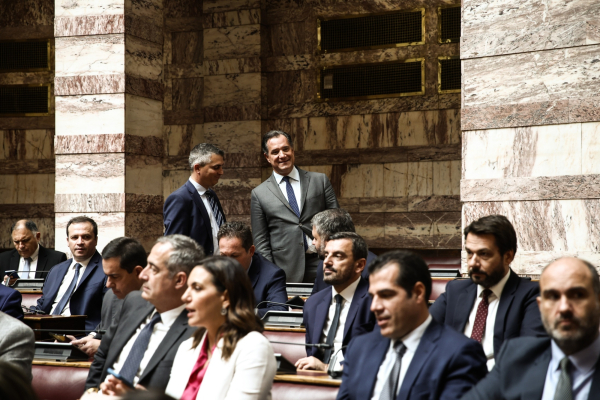
Giorgos Vlachos, a member of the center-right New Democracy party representing East Attica, submitted a parliamentary question to Mitsotakis seeking answers on the cost, procurement and operation of recycling programs. He also requested that government documents be presented to Parliament, arguing that lawmakers need a fuller accounting of how public money connected with recycling has been managed.
The intervention is politically notable in Greece, where the governing party holds a parliamentary majority and questions from its own lawmakers directed at the prime minister can signal internal pressure. Vlachos said the disclosures were needed to provide “full and documented answers” to questions that have repeatedly been raised and to ensure transparency in the management of public resources.
At the center of his request are procurement contracts for facilities described in Greece as “recycling houses,” or automated collection points where consumers can deposit recyclable materials. Vlachos is seeking information on the cost of purchasing and installing the units, how tenders were conducted, which companies participated and which contractors won the work.
He is also asking what happens to materials collected through the system and how much the program costs to operate each year, as well as broader financial records showing how funds associated with recycling have been managed and used.
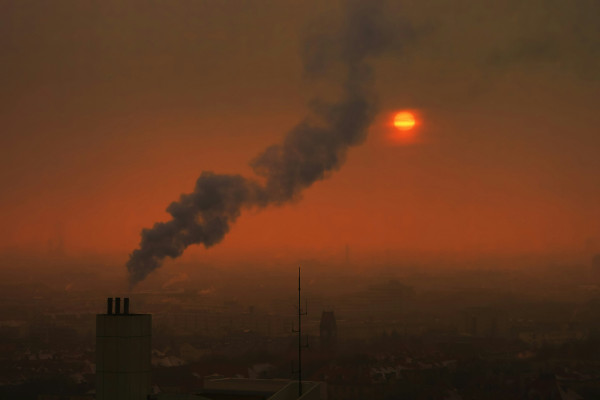
The lawmaker’s inquiry extends to fires at recycling plants. He is requesting data on how many facilities have caught fire, when and where the incidents occurred, how much recyclable material was destroyed and what environmental assessments were produced afterward. He also wants information on payments the affected facilities had received for processing recyclable materials before the fires.
Vlachos asked whether the government intends to provide Parliament with a comprehensive account of the recycling system and the public resources tied to it. The breadth of the request turns what might otherwise be a technical debate over waste management into a question of government accountability—and places the prime minister in the position of being publicly asked for answers by a member of his own party.