

Greek Prime Minister Kyriakos Mitsotakis is expected to announce a new package of economic support measures later today, aimed at mitigating the impact of the ongoing crisis in the Middle East on the country’s economy. The measures have been prepared by the government’s economic team, drawing on additional fiscal space created by a stronger-than-expected budget performance. Official confirmation of this fiscal improvement is anticipated through data to be released by Eurostat.
Current estimates suggest that Greece’s primary budget surplus for 2025 could reach or even exceed 4.8% of its gross domestic product, significantly surpassing earlier projections. This improved performance has been driven by higher tax revenues, increased investment activity, and a steady decline in unemployment. Authorities also credit intensified efforts to combat tax evasion for boosting public finances.
Against this backdrop, the government intends to redistribute part of this surplus back into the economy, while maintaining overall fiscal discipline. Of an estimated €800 million surplus, roughly €300 million has already been allocated to existing policies, leaving about €500 million available for new measures.
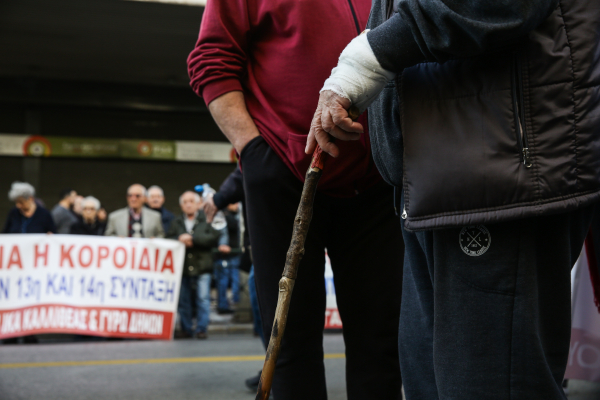
The planned interventions are expected to focus primarily on supporting low-income households and stabilizing sectors of the economy most affected by rising energy costs and inflation. Among the anticipated measures are increased financial support for low-income pensioners, including both higher payments and an expansion of eligibility criteria. In addition, targeted tax reductions are expected, aimed particularly at providing relief to middle-income earners.
Support is also expected for the agricultural sector, where subsidies for key inputs such as fertilizers are likely to be extended in an effort to contain production costs and prevent further increases in food prices. At the same time, fuel subsidies are set to continue, with the aim of limiting the impact of higher energy prices on transportation and business operations.
These measures are being introduced at a time when household purchasing power in Greece remains under considerable strain. Despite recent wage increases, rising prices—especially for essential goods, energy, housing, and transportation—have eroded much of the gains in income.
According to recent data, Greece continues to rank among the lowest countries in the European Union in terms of purchasing power, with GDP per capita adjusted for purchasing standards estimated at just 67% to 69% of the EU average. This places the country near the bottom of the ranking alongside Bulgaria, highlighting ongoing structural challenges and pressure on living standards.