The Greek government on Monday declined to comment on fresh allegations tying the country's intelligence service to the Predator spyware scandal, as new reports renewed scrutiny of one of the most controversial surveillance affairs to emerge in the European Union in recent years.
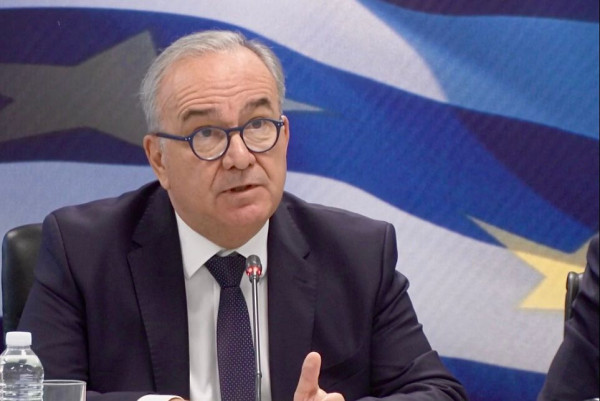
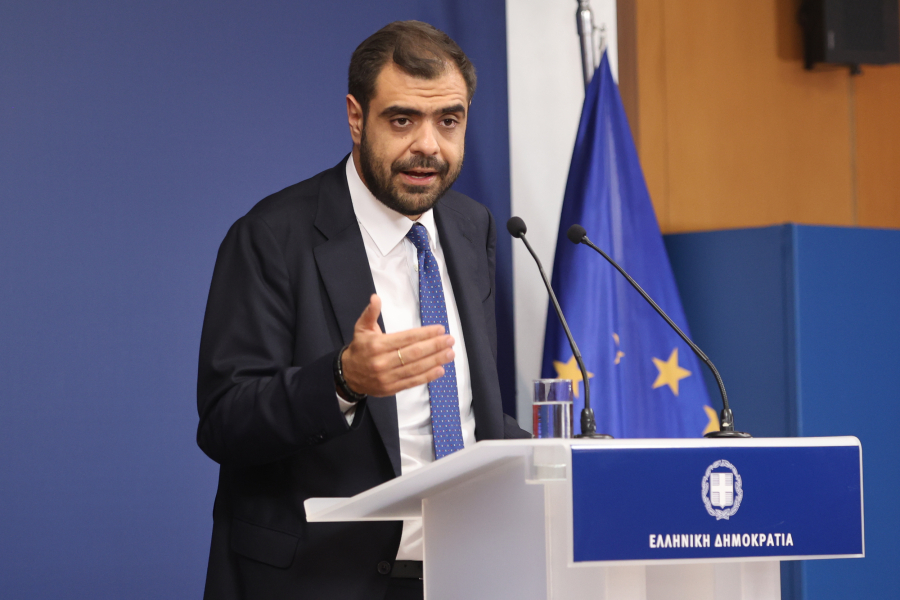
Government spokesman Pavlos Marinakis refused to address revalations published over the weekend that associates of Israeli entrepreneur Tal Dilian, founder of spyware vendor Intellexa, possess documents allegedly showing cooperation between Greece's National Intelligence Service (EYP) and the company behind Predator, a powerful surveillance tool that has been at the center of investigations across Europe.
"I do not comment on reports and information," Marinakis told reporters during the government's regular press briefing, arguing that the matter is already being handled by the judiciary.
According to a report by Greek newspaper To Vima, Dilian's representatives claim to hold a 2020 cooperation agreement between Intellexa and EYP, as well as dozens of emails exchanged between company executives and Greek state officials, including intelligence personnel, concerning operational issues related to Predator's use.
The allegations, if substantiated, would further challenge the Greek government's longstanding position that it had no operational relationship with Predator, a spyware platform capable of covertly accessing smartphones and extracting communications, contacts, and other sensitive data. Marinakis insisted there had been no new developments in the case and said the government had already provided "clear and sufficient answers" regarding the affair.
When pressed on whether the newly cited documents should be examined by an independent authority or by Parliament, the spokesman again referred journalists to the courts.
The government's response reflects its broader strategy since the surveillance scandal first erupted in 2022, when revelations that politicians, journalists and other public figures had been targeted by surveillance sparked domestic and international criticism. Athens has repeatedly pointed to judicial reviews of the case while resisting opposition calls for new parliamentary investigations.
The latest controversy comes as questions also remain unanswered over the export of Predator technology from Greece to foreign governments. Journalists asked Marinakis about an internal administrative inquiry into licenses granted for Predator exports, an investigation that government officials said was completed three years ago and had progressed to disciplinary proceedings. No findings have been publicly released.
The issue resurfaced following a separate report in Ta Nea newspaper suggesting that Dilian's camp possesses documentation relating to Predator sales in at least 20 countries, allegedly facilitated with assistance from Greek authorities, including letters endorsing the system's operation.
Marinakis said only that the government was still "waiting" regarding the administrative investigation and had no further update to provide. Opposition party PASOK seized on the reports, accusing the government of failing to directly deny the existence of the alleged cooperation agreement. PASOK spokesman Kostas Tsoukalas called for Parliament's Committee on Institutions and Transparency to summon both Dilian and Grigoris Dimitriadis, the former chief of staff and nephew of Prime Minister Kyriakos Mitsotakis, who resigned in 2022 amid the fallout from the surveillance scandal. Tsoukalas also urged prosecutors to reopen the wiretapping investigation and examine the new allegations.
"The public blackmail of a government cannot remain unanswered in a European democracy," he said, arguing that judicial authorities should reassess the case in light of the newly reported evidence.