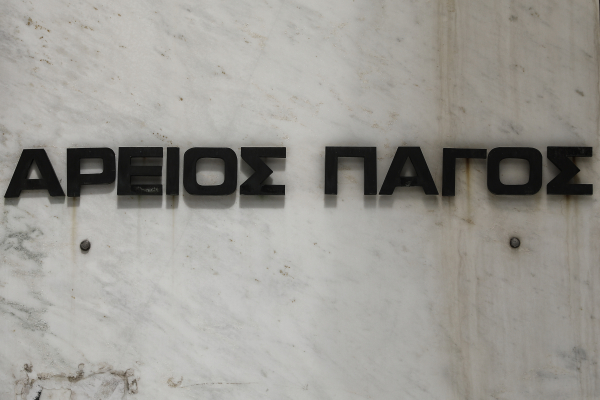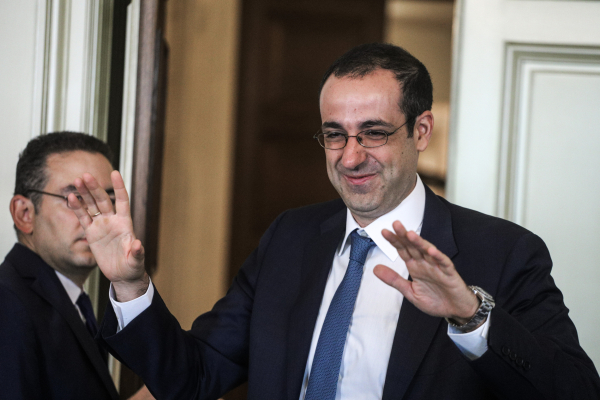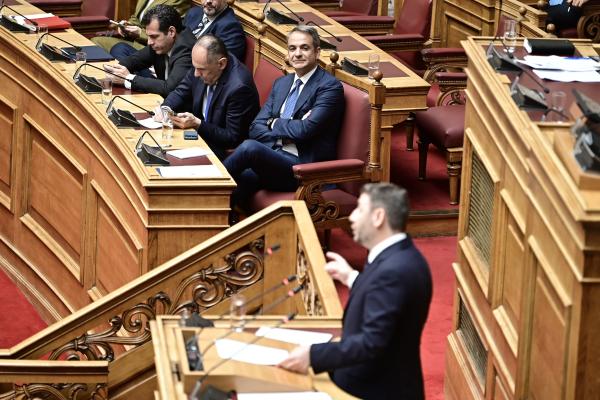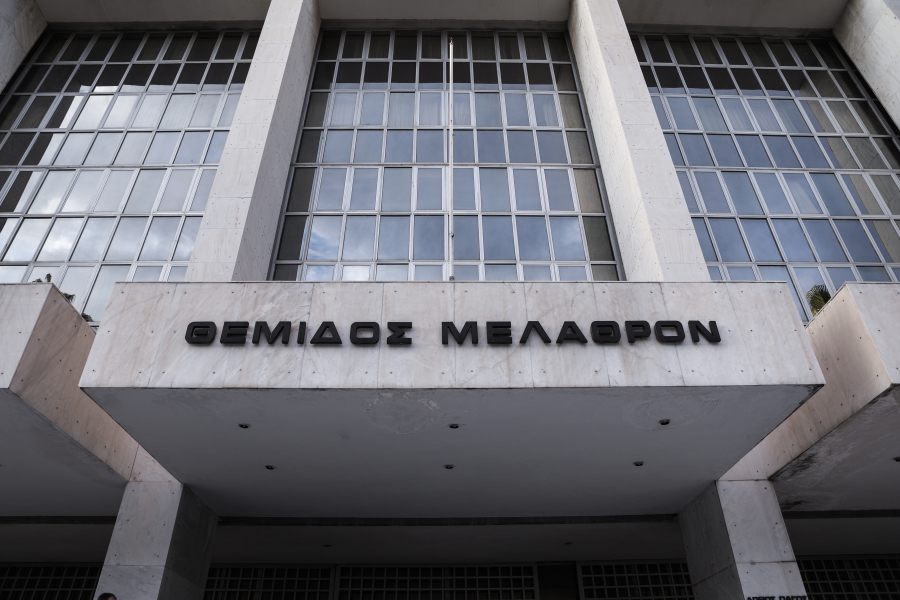

The Athens Bar Association has called for the resignation of Greece’s top public prosecutor, Konstantinos Tzavellas, after his decision not to reopen an archived investigation into a major phone surveillance scandal.
In a formal resolution adopted after an extraordinary meeting, the Association sharply criticized Tzavellas for declining to revive the case despite a recent court ruling that pointed to sufficient evidence of serious criminal offenses. The case concerns allegations of widespread illegal surveillance of senior political figures, military officials, judges, journalists, and lawyers—raising profound concerns about democratic safeguards in Greece.
The Bar Association described the prosecutor’s handling of the case as an “institutional deviation,” arguing that he has failed to fulfill the responsibilities of his office. It also stressed that Tzavellas should have recused himself from the matter altogether, given that he had previously served as the supervising prosecutor of the National Intelligence Service during the period when the alleged surveillance took place. Instead, it noted, he remained involved and ultimately approved the closure of a case it considers critical for the rule of law.
This marks an unprecedented move in Greece, as it is the first time the Athens Bar Association has formally demanded the resignation of a Supreme Court prosecutor. Although the decision was passed by a narrow majority, it signals deep concern within the country’s legal community about the handling of the scandal.
At the heart of the controversy is the protection of private communications, which is explicitly guaranteed under the Greek Constitution and widely regarded as a cornerstone of democratic rights. The allegations include both legally questionable authorizations of surveillance on grounds of “national security” and the reported use of Predator spyware, a powerful tool capable of covertly monitoring mobile devices. The Bar Association argues that these practices represent a serious breach of fundamental rights and must be fully investigated.
The Association also pointed to a recent decision by a lower court in Athens, which had ordered the case file to be returned to prosecutors after identifying indications of grave offenses, including espionage. This development, it said, underscored the need for a thorough and transparent inquiry. Against this backdrop, the prosecutor’s refusal to reopen the case—without conducting further investigation—has fueled accusations that the judicial process is being undermined.
In its statement, the Bar Association warned that public trust in the justice system is at risk, suggesting that the decision effectively shields potential wrongdoing from scrutiny. It argued that citizens’ right to legal protection is being compromised and that accountability for actions by the executive branch is being weakened.
Alongside its call for Tzavellas’s resignation, the Association announced a series of initiatives aimed at raising awareness and pressing for further investigation. These include public briefings, legal and academic events focused on safeguarding communication privacy, and institutional actions both within Greece and at the European level. The group also pledged to support those affected by the surveillance in pursuing justice through domestic and international courts.
The resolution will be shared with the Council of Bars and Law Societies of Europe, reflecting the broader European implications of the case. The Athens Bar Association concluded that, given the gravity of the allegations, it has a responsibility to act in defense of the rule of law and to ensure that the matter is fully brought to light.