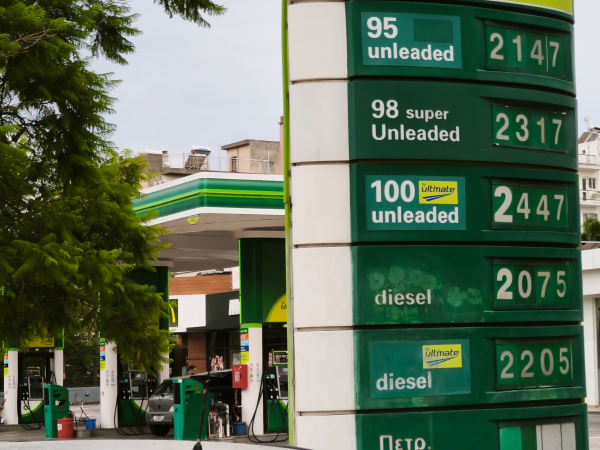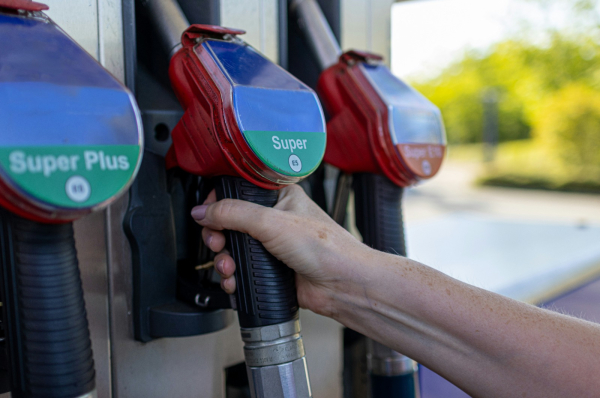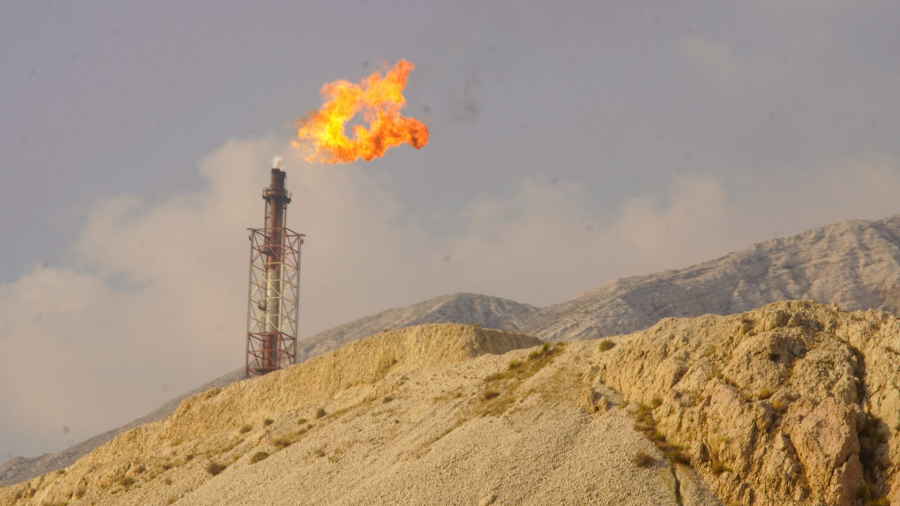

Europe is once again under significant economic strain following a fresh energy shock, driven by escalating geopolitical tensions in the Middle East and the closure of the Strait of Hormuz. The disruption has pushed global oil prices as high as $126 per barrel, intensifying pressure on both households and businesses across the continent. In response, European governments have introduced a wave of support measures designed to cushion the impact and prevent a deeper economic slowdown.
Across the European Union, the total value of announced support packages is estimated at roughly €12 billion. These measures reflect the urgency of confronting a powerful external shock that is simultaneously driving up production costs, consumer prices and overall economic uncertainty.
Spain has emerged as the most aggressive spender, allocating around €5 billion—almost half of the total European effort. Its strategy combines tax reductions on energy with direct support for key sectors such as transport, agriculture and industry. Germany ranks second, committing approximately €1.62 billion, largely through energy tax cuts. While considerably smaller than Spain’s package, it still places Berlin among the top contributors in absolute terms.
A second group of countries—including the Netherlands, Greece, Ireland and Italy—has also mobilised substantial resources, each committing hundreds of millions of euros. Greece’s package, at around €800 million, positions it firmly within this group, reflecting a relatively strong fiscal response for a country of its size. Further down the scale, Poland and Sweden, along with other smaller economies, have introduced more modest but still notable measures.
What stands out at the European level is the clear preference for broad, non-targeted interventions. Around 80% of total funding is directed toward horizontal measures such as cuts in VAT and energy excise duties. While these policies offer immediate relief by lowering prices across the board, they have drawn criticism for their lack of precision, as they benefit all consumers regardless of income level.
Moreover, only a limited share of the overall funding is being channelled directly to households. Less than €1 billion is allocated to direct financial support for citizens, with the bulk of resources instead flowing through tax relief and sectoral aid. This means that, despite the scale of government intervention, the most vulnerable groups may not be receiving proportionate support. With the duration and severity of the crisis still uncertain—and heavily dependent on unpredictable geopolitical developments—the effectiveness of these measures remains an open question.