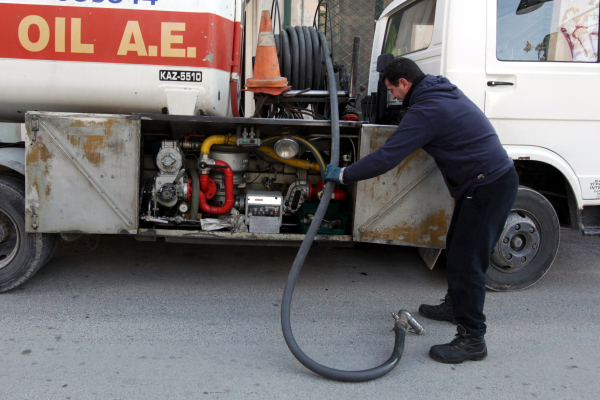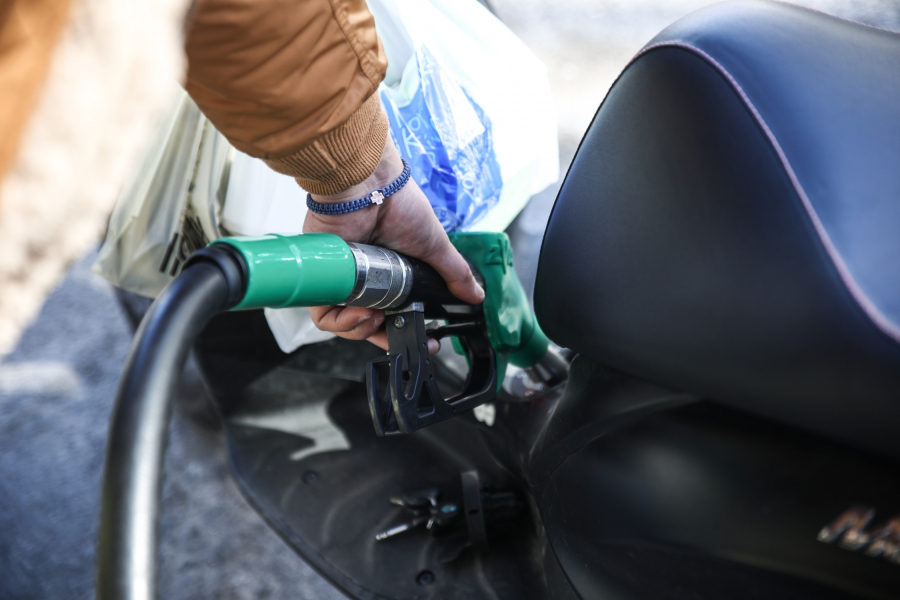
Fuel prices across Greece are climbing sharply, with regional disparities highlighting the growing cost burden on consumers as persistently high oil prices continue to drive inflation across the economy.
With crude oil holding near $100 per barrel, Greek households are facing mounting pressure as higher fuel costs erode disposable income and make both travel and everyday purchases more expensive. The impact is being felt not only at the pump but increasingly across the broader economy, as rising transportation and logistics costs push up the prices of goods on supermarket shelves.
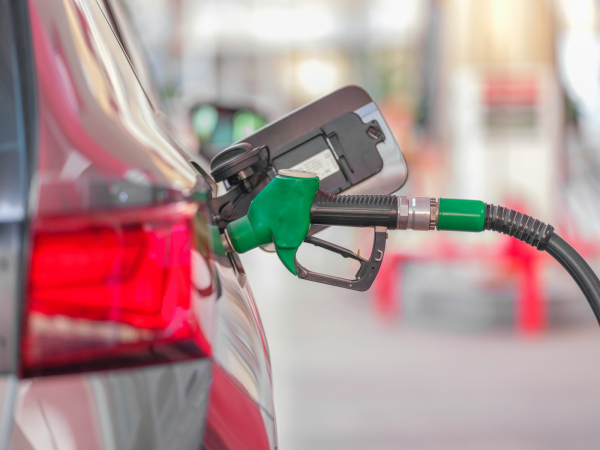
Recent nationwide data show that the average price of 95-octane unleaded gasoline has reached €2.077 per litre, while 100-octane unleaded stands at €2.292 per litre. Diesel now averages €2.073 per litre, autogas €1.371, and home heating oil €1.809 per litre.
The country’s island regions continue to record the highest fuel prices, reflecting the added transportation and supply costs associated with remote areas. The Cyclades island group has the highest average price for 95-octane unleaded at €2.216 per litre, followed by the Dodecanese and the regional unit of Heraklion on Crete. The Cyclades also top the national rankings for both 100-octane unleaded and diesel, where prices reach €2.419 and €2.241 per litre respectively.
By contrast, lower fuel prices are generally found in northern and mainland parts of the country. The lowest price for standard unleaded gasoline has been recorded in the northern region of Pieria at €2.053 per litre, while diesel is cheapest on the island of Chios at €2.029 per litre. For autogas, the lowest average price is found on the island of Samos at €1.247 per litre.
The surge in fuel prices is feeding directly into broader inflationary pressures, as higher transportation costs ripple through supply chains. Businesses transporting raw materials, agricultural produce, food and consumer goods are facing increased operating expenses, costs that are gradually being passed on to consumers through higher retail prices.
The developments are adding to pressure on the Greek government to consider fresh support measures, with earlier interventions worth €300 million increasingly viewed as insufficient in the face of sustained energy market pressures.