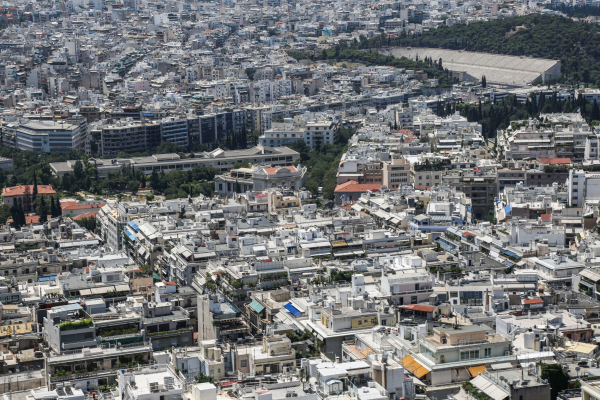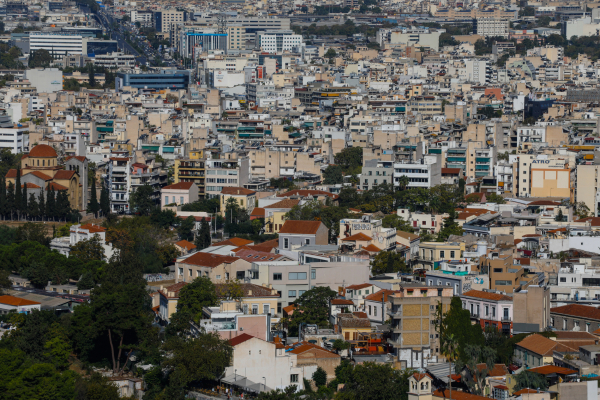
Greece’s housing crisis has become one of the sharpest affordability squeezes in Europe. Apartment prices are surging, rents are consuming larger shares of household income, and younger Greeks are increasingly locked out of homeownership. Yet according to a new analysis by the International Monetary Fund (IMF), the country’s problem is not a shortage of housing.
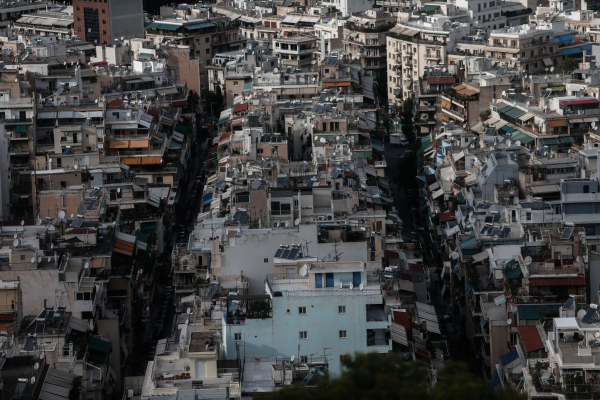
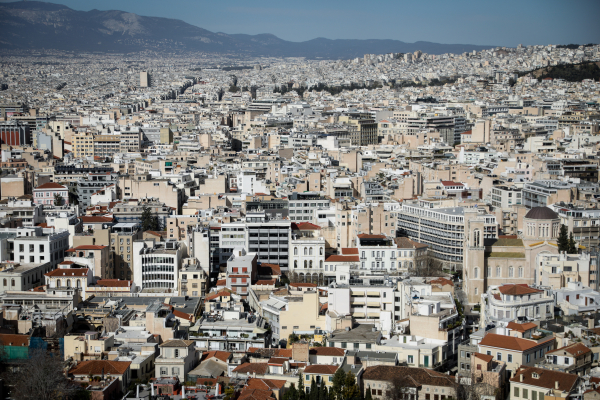
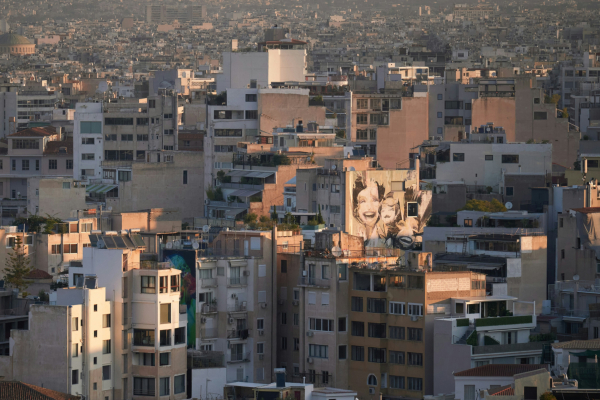
It is, instead, a failure to use what it already has. The IMF argues that Greece has one of Europe’s largest housing stocks relative to its population, but a substantial share of those homes remains vacant, underutilized, or trapped in legal and bureaucratic limbo. Roughly 35% of residential properties are not used as primary residences, while an estimated 12% to 13% of the country’s total housing stock sits empty.
The findings highlight a paradox increasingly visible across southern Europe: countries with high rates of homeownership and abundant property assets are nonetheless struggling to provide affordable housing in major urban and tourist centers.
ΔΙΑΒΑΣΤΕ ΕΠΙΣΗΣ


In Greece, the imbalance has become particularly acute since the pandemic. Housing prices have climbed about 85% since 2017, far outpacing growth in disposable income, which has risen by roughly 47% over the same period. The strongest increases have been concentrated in Athens, Thessaloniki, and tourism-driven islands, where international demand, foreign investment, and short-term rentals have reshaped local markets.
For many Greek households, access to housing is now constrained less by monthly mortgage payments than by the inability to accumulate a down payment. The IMF estimates that, under current savings patterns, an average household could need more than two decades to save enough for the upfront costs of purchasing a home.
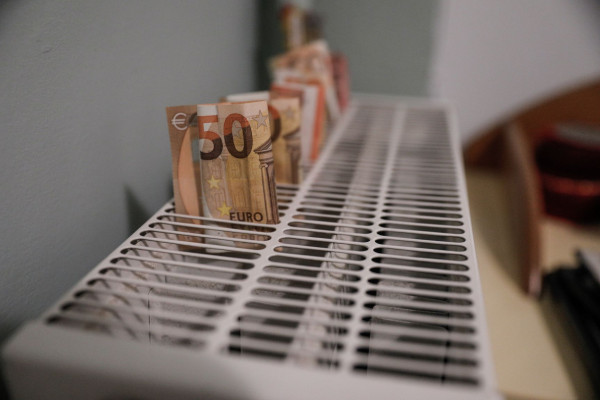
The country’s aging building stock is adding another layer of strain. Greece has some of the least energy-efficient housing in Europe, a legacy of decades of underinvestment and fragmented urban development. Only a small fraction of homes meet higher energy-efficiency standards, leaving many households exposed to elevated heating and electricity costs. The IMF describes the situation as a form of “energy poverty,” in which lower-income families are pushed into older, inefficient housing that becomes increasingly expensive to maintain.
The report also points to structural distortions in the market itself. Demand is concentrated in smaller apartments and a limited number of high-growth areas, while much of the available housing stock is either too expensive, unsuitable, or legally inaccessible. More than half of homes currently listed for sale in Greece are priced above €200,000 - a threshold beyond the reach of many domestic buyers after more than a decade of economic stagnation and weak wage growth.
Short-term rental platforms such as Airbnb have further intensified pressure in popular neighborhoods, especially in central Athens and on tourist islands. Still, the IMF stops short of calling for aggressive restrictions on short-term rentals, acknowledging their growing role in supporting tourism revenue and household income.
Instead, the Fund argues that the priority should be mobilizing existing housing stock back into the market.
Its recommendations include tax penalties for vacant homes in high-demand areas, alongside subsidies for renovation and energy upgrades aimed at making older apartments habitable and more efficient. The IMF also calls for reforms to Greece’s notoriously slow property and inheritance system, which often leaves homes tied up for years because of disputes among heirs or complications involving co-ownership.
In addition, the report urges Athens to streamline building permits, accelerate court decisions related to property conflicts, and modernize urban planning regulations that discourage redevelopment.
The IMF also argues that Greece needs a more coherent social-housing strategy, an area where the country lags behind much of Europe. Public-private partnerships, expanded student housing, and policies to increase productivity in the construction sector are all cited as necessary components of a broader response.
Underlying the report is a broader warning: housing shortages in Greece are no longer simply a real-estate issue. They have become intertwined with demographic pressures, energy costs, labor mobility, and long-term economic competitiveness.
The IMF’s conclusion is that subsidies and housing loans alone will not solve the crisis. Without structural reforms that bring unused homes back into circulation and improve the quality of existing housing stock, affordability pressures are likely to persist - even in a country where homes, at least on paper, are plentiful.