
At a time when geopolitical instability in the Middle East is once again raising fears of a new energy crisis, Greece appears—at least in terms of supply security—to be significantly better prepared than in previous crises. However, the main challenge is no longer the availability of fuel, but its cost, which is already being rapidly passed on to the broader economy.
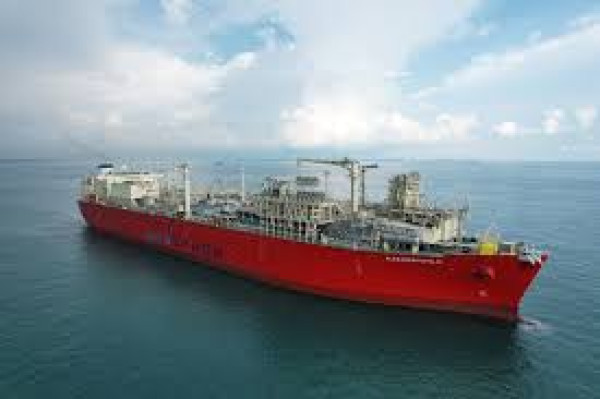
Unlike in 2022, when Europe faced the risk of disruptions in natural gas supplies following the energy shock triggered by the war in Ukraine, the current situation is considerably more stable. According to energy market sources, there is no substantial risk to fuel supply in Greece, either for oil or natural gas. Over the past few years, the country has diversified its energy supply sources, increased liquefied natural gas (LNG) imports and expanded the role of key infrastructure such as the Revithoussa LNG terminal near Athens. New energy infrastructure projects and access to global energy markets have further strengthened supply security, while strategic oil reserves provide an additional safety net. As a result, even in the event of a prolonged international crisis, Greece is unlikely to face a physical shortage of fuel.
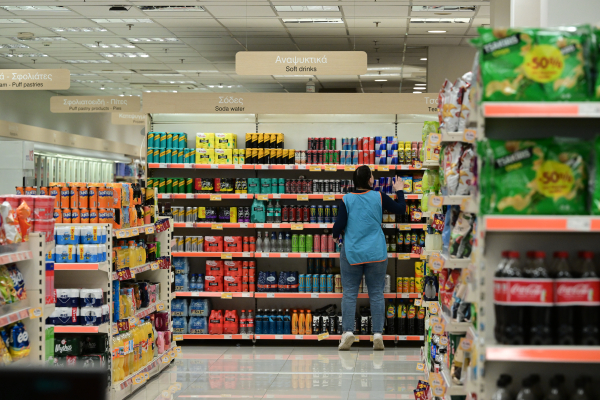
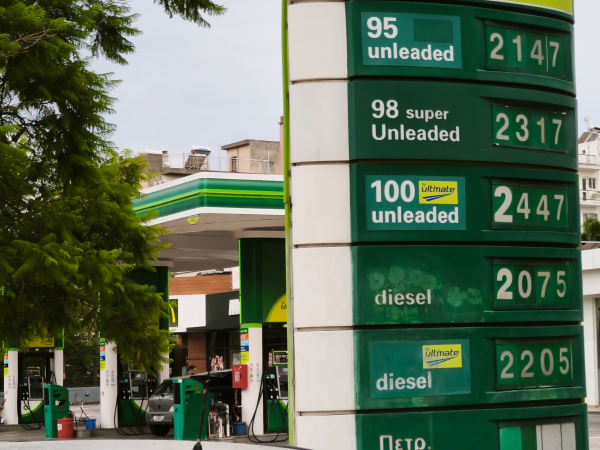
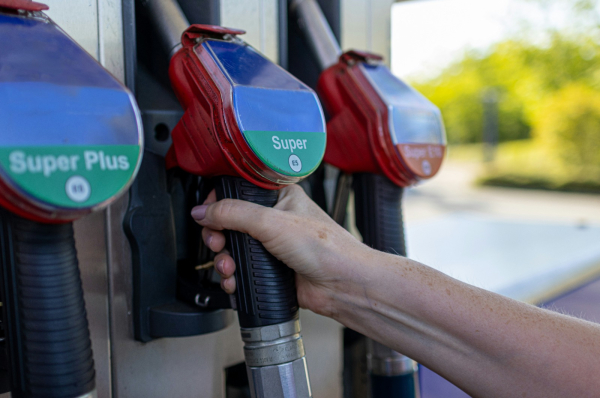
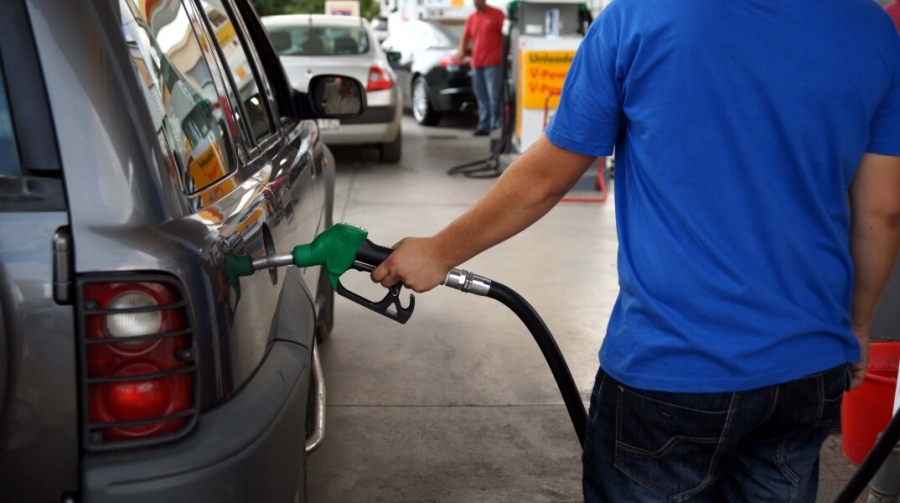
The real risk lies elsewhere: in rising prices. Pressure is already visible in the fuel market, with petrol prices moving above €2 per litre and diesel approaching similar levels, following the upward trend in international oil prices. These increases affect not only consumers but also transportation costs and, by extension, the entire supply chain, adding new inflationary pressures across the economy.
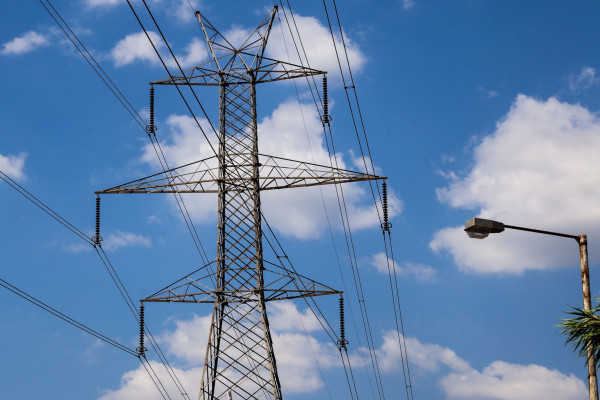
A similar trend is beginning to emerge in the electricity market. Rising natural gas prices—still a key fuel for electricity generation in Greece—are already being reflected in wholesale electricity prices. The average wholesale electricity price in Greece rose to €91.96 per megawatt-hour in March from €78.35 in February, marking a significant increase within just one month. If this upward trend continues, it is expected to put pressure on retail electricity tariffs, particularly variable-rate contracts that are linked more directly to wholesale market prices.
Renewable energy sources currently act as the main buffer against rising energy costs. Their growing share in Greece’s energy mix—now exceeding 50%—is reducing dependence on fossil fuels and limiting exposure to international price fluctuations. The high penetration of renewable energy helps contain electricity generation costs and absorb part of the shock from rising natural gas prices.
This protection, however, is not absolute. During periods of low renewable energy production or increased electricity demand, the system still relies heavily on natural gas power plants, which means exposure to international gas prices remains unavoidable.