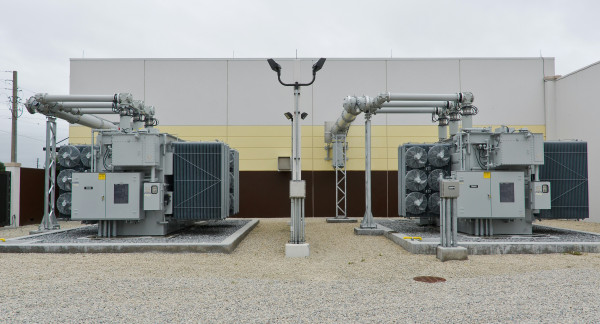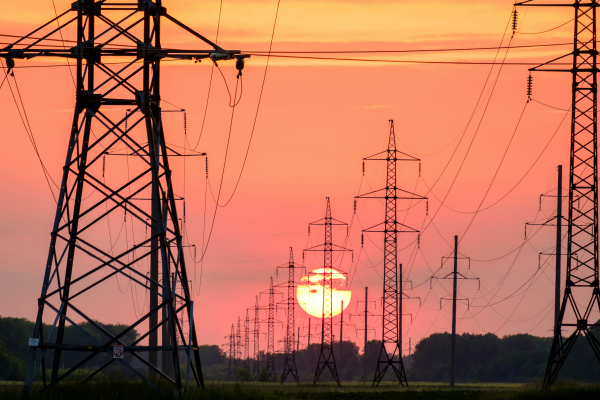


Energy prices have become a central issue, affecting not only hotel operations directly but also transportation and supply chains. This broad impact is driving up overall operating expenses at a time when businesses are struggling to maintain competitive pricing. Industry insiders note that, given the current climate of geopolitical and economic uncertainty, hoteliers have limited ability to pass these higher costs on to international travelers.
In fact, many hotel operators have moved in the opposite direction, offering discounts to secure bookings early. Average room rates have been reduced by around 15% in some cases, a strategy aimed at ensuring steady cash flow amid uncertainty. While this approach helps sustain short-term liquidity, it comes at the expense of profitability, further tightening already thin margins.
The cost burden is compounded by a broader inflationary environment. Higher energy prices are also affecting travelers themselves, increasing the cost of flights and road transport and leaving less disposable income for accommodation. As a result, hotels face a dual challenge: rising costs on one side and constrained customer spending on the other.
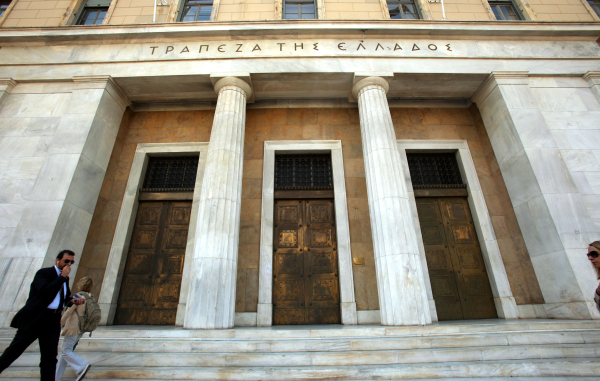
Structural factors within Greece add another layer of pressure. A study by INSETE highlights that, although the country has improved its overall tax competitiveness, its tourism sector still lags behind key Mediterranean rivals. Taxes that directly impact hotel operations—including relatively high value-added tax on accommodation, elevated non-wage labor costs, and additional levies—create a heavier financial burden than in competing destinations such as Italy, Croatia, and Spain.
The effect on profitability is stark. In Greece, hotel earnings before interest, taxes, depreciation, and amortization amount to just over half of the total tax and contribution burden, a much weaker ratio than in countries like Cyprus and Portugal. For a typical four-star hotel charging €150 per night, nearly a third of the final price goes toward taxes and contributions—almost double the proportion seen in Cyprus.
This significantly raises the break-even point, meaning hotels must generate much higher revenues simply to cover their fixed costs.
Adding to these financial strains are ongoing labor shortages, which are pushing wages higher across the sector. As hotels compete for staff, payroll expenses continue to rise, further eroding margins.