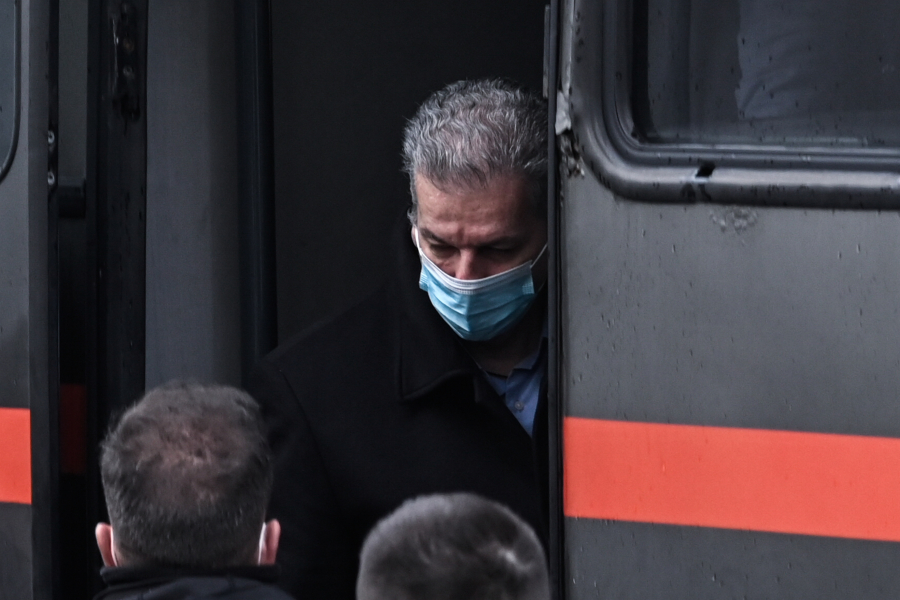

The appeal hearing in the Folli Follie scandal is currently in progress, drawing renewed attention to one of Europe’s most prominent corporate fraud cases of recent years. The Koutsoulioutsos family—founders and former executives of the company—along with their convicted associates, are once again under intense scrutiny. In the coming days, key witnesses from the Hellenic Capital Market Commission are expected to testify, as they did during the original trial, where their evidence played a decisive role in securing lengthy prison sentences: 17 years for Dimitris Koutsoulioutsos, 11 years for George Koutsoulioutsos, and 10 years for Kaiti Koutsoulioutsou.
Despite these convictions, members of the family remain free under restrictive conditions and continue to pursue legal avenues to regain control of the company. These efforts, however, have repeatedly run into obstacles in the courts. The core of the dispute now centers on the Samiou administration, a court-appointed management installed in 2020 following a request by the Capital Market Commission. The family has filed multiple legal complaints against this administration and other involved parties, but so far these actions have failed to produce any meaningful results.
During the appeal proceedings, defense lawyers attempted to shift attention toward the actions of the new management, suggesting that responsibility may lie beyond the period under investigation. This line of argument was firmly rejected by the presiding judge, who clarified that the scope of the trial is limited strictly to alleged illegal acts and the publication of falsified financial statements up until 2018, when the scandal first came to light.
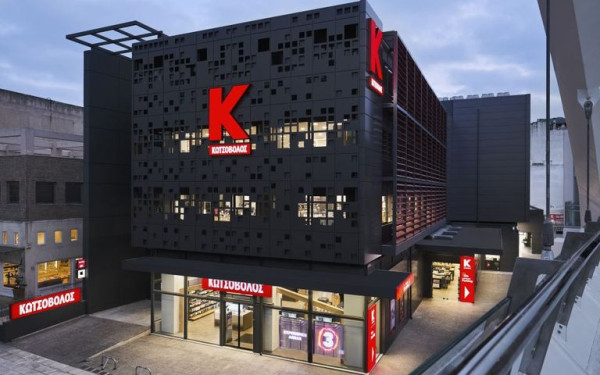
The family’s legal position has also been weakened by a recent prosecutorial decision to dismiss a complaint filed in 2023 by Dimitris Koutsoulioutsos and other minority shareholders. The complaint accused the current management of breach of trust in relation to decisions taken during the company’s restructuring process, including the sale of a prominent commercial property known as “Minion.” After an investigation by Greece’s financial crimes unit, authorities concluded that no financial harm had been caused to the company, leading to the case being formally shelved. This development is widely seen as a significant institutional setback for the family’s legal strategy.
At the same time, a new court case is scheduled to begin soon, focusing on the company’s failure to publish financial statements for the years 2020 through 2022. Although the Koutsoulioutsos family no longer holds management positions, it remains a major shareholder in the legacy corporate structure. By using its influence in shareholder meetings, the family has blocked the approval of the 2019 financial statements—covering the period when it was still in charge—citing objections that, according to reports, do not align with current legal standards. This has effectively prevented the publication of financial results for subsequent years, prolonging uncertainty around the company’s true financial position.
The prolonged legal and corporate standoff has also drawn increasing frustration from investors, particularly bondholders who have yet to receive compensation years after the scandal erupted. Even after a restructuring agreement was finalized, payouts have been delayed due to ongoing legal disputes and the freezing of key company assets. These assets, which include valuable real estate such as the company’s headquarters near Athens, are considered essential for any future compensation plan and have been valued at around €200 million in recent years.
However, competing claims over these assets have complicated matters further. Minority shareholders, who also suffered losses as a result of the fraud, are seeking access to the same pool of resources. This has created a deadlock that the current management has so far been unable to resolve. Critics argue that the administration has failed to bring the two sides together in pursuit of a comprehensive settlement, instead making only limited and fragmented efforts to move the process forward. As a result, the Folli Follie case continues to cast a long shadow over investor confidence and corporate governance in Greece.