
In a move carrying strong symbolic and cultural weight, the United States has returned 26 ancient artifacts to Greece, objects that had been seized by American authorities as part of ongoing efforts to combat the illegal trafficking of antiquities.
The items were identified and confiscated during investigations led by Homeland Security Investigations, working in coordination with U.S. Customs and Border Protection, the Federal Bureau of Investigation, and the U.S. Department of State. Officials say the recovery highlights the growing international cooperation aimed at protecting cultural heritage from looting and illicit trade.
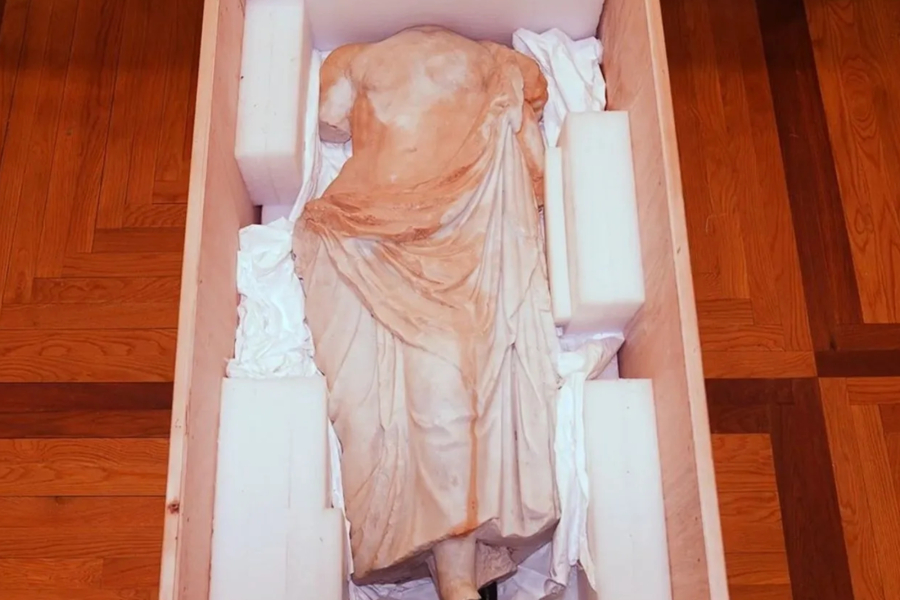
According to ICE Deputy Director Charles Wall, the artifacts had been illegally removed and represent “priceless treasures” that rightfully belong to the Greek people. The collection spans several periods of ancient history and includes a marble torso of Asclepius, the Greek god associated with healing, dating back to the 1st or 2nd century AD.
The returned objects also feature rare ancient coins from across the Greek world, including pieces from Lampsacus in Asia Minor, Macedonia in northern Greece, and the island of Rhodes. These coins bear depictions of figures from Greek mythology, such as Heracles, Pegasus, Persephone, the multi-headed Lernaean Hydra, and the sun god Helios.
The repatriation is part of a broader partnership between Greece and the United States to curb antiquities trafficking, a persistent global issue that strips countries of their historical legacy. Since 2007, U.S. authorities report that more than 200 cultural objects have been returned to Greece, many of them recovered under a bilateral agreement on cultural property protection that came into force in 2011.
In a statement, the U.S. Department of Homeland Security stressed that the return of these artifacts continues a long-standing commitment to safeguarding Greece’s cultural heritage, sending a clear message against the looting and illegal trade of antiquities worldwide.