
Greece’s main left-wing opposition party has moved a step closer to aligning itself with former Prime Minister Alexis Tsipras’s emerging political project, exposing deep divisions within Syriza over its future and raising fresh questions about the shape of the country’s fragmented center-left.
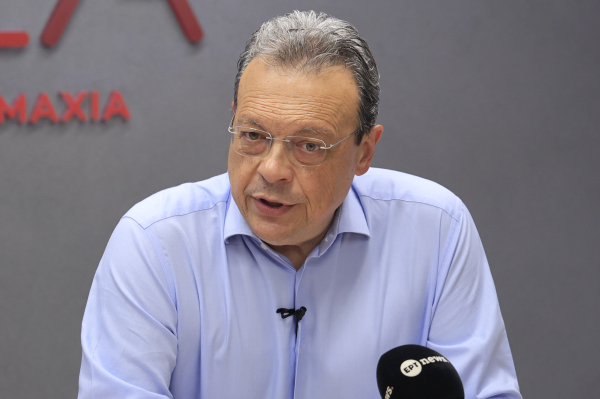
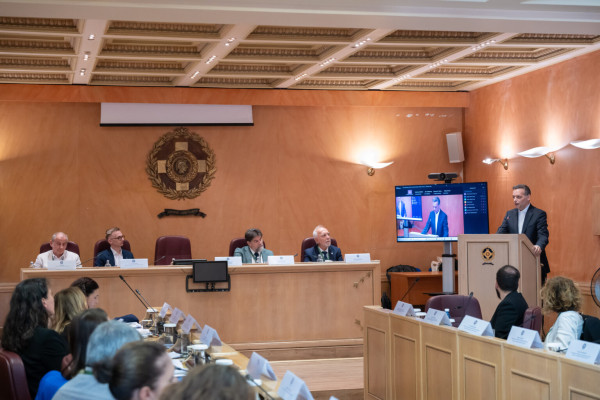
After a marathon meeting on Saturday, Syriza’s Central Committee endorsed a proposal by party leader Sokratis Famellos to position the party alongside Tsipras’s new political initiative, rejecting calls from internal critics for Syriza to contest future elections independently.
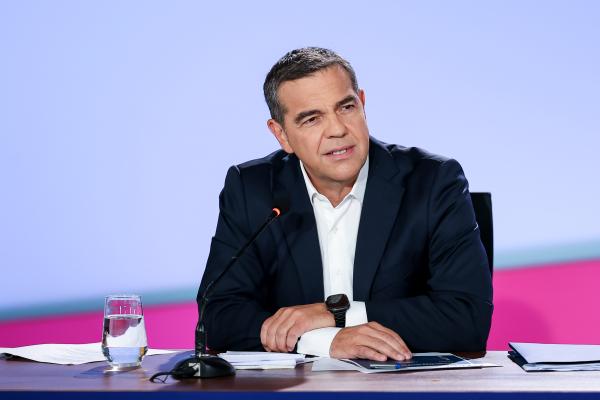
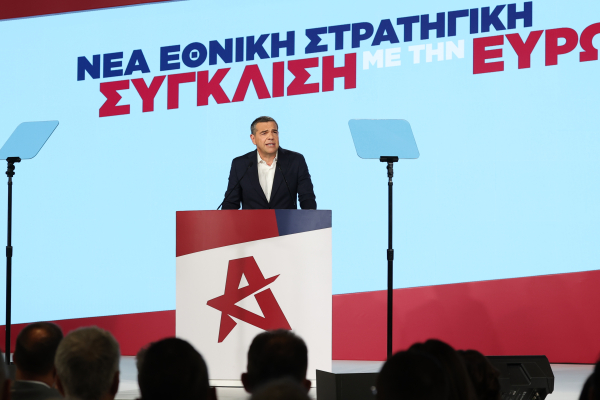
The vote marks the most significant sign yet that Tsipras, who led Greece through the turbulent years of the eurozone crisis before stepping down after Syriza’s electoral collapse in 2023, could once again become the central figure around whom much of the Greek left reorganizes itself.
ΔΙΑΒΑΣΤΕ ΕΠΙΣΗΣ



But the decision has intensified a fierce internal struggle over whether Syriza should merge into a broader progressive movement or preserve its organizational independence after years of electoral decline and internal turmoil.
Speaking to party officials, Famellos argued that Syriza should support Tsipras’s initiative as part of a wider effort to rebuild a viable progressive alternative to Prime Minister Kyriakos Mitsotakis’s center-right government.
The proposal was strongly opposed by a faction led by prominent party figures including Pavlos Polakis, Nikos Pappas and Rena Dourou, who warned that the strategy risks reducing Syriza to a political shell while encouraging individual defections to Tsipras’s new movement.
“We are not talking about cooperation. We are talking about self-dissolution,” Dourou told the meeting, accusing the leadership of steering the party toward irrelevance under the guise of unity.
The debate reflects a broader crisis confronting Greece’s left. Once the dominant opposition force and a governing party that captured international attention during Europe’s sovereign debt crisis, Syriza has struggled to recover from successive electoral defeats, internal leadership battles and the brief, controversial tenure of former leader Stefanos Kasselakis.
Several speakers acknowledged the party’s deteriorating position. George Gavrilos, a Syriza lawmaker, reportedly described the party as politically relevant but organizationally weakened, while arguing that its electoral trajectory had effectively reached “game over.”
Supporters of closer cooperation with Tsipras contend that political realities leave Syriza with few alternatives. Opinion polls place the party in low single digits, while Tsipras’s new initiative has generated interest across parts of the broader center-left and progressive electorate.
“The major issue is the creation of a strong progressive pole with governing prospects,” former minister Mariliza Xenogiannakopoulou told party members, describing Tsipras’s initiative as a source of hope not only for Syriza supporters but for a wider spectrum of progressive voters. She argued that competing electoral lists between Syriza and Tsipras’s movement would be “unthinkable.”
Opponents counter that no formal political agreement exists and that Syriza risks surrendering its identity without securing meaningful influence over any future alliance. Pappas warned that the party should not become a “reservoir of political personnel” waiting to be absorbed into another organization.
Polakis, one of Syriza’s most recognizable and combative figures, delivered the sharpest attack, criticizing both Famellos and Tsipras while insisting that any cooperation with other left-wing forces must take place on equal terms. “Not ‘dissolve yourselves and come join us,’” he said. “No. Dignity.”
The outcome leaves Syriza officially aligned with Tsipras’s broader political initiative, but far from united. Instead, Saturday’s meeting underscored how the battle over the future of Greece’s left is increasingly becoming a battle over whether Syriza remains a political force in its own right — or evolves into a supporting actor in a new project led once again by the man who defined the party’s rise.