
Piraeus Port Authority, the operator of Greece’s largest port and a key gateway for trade between Asia and Europe, reported weaker first-quarter results for 2026 as geopolitical tensions in the Middle East and disruptions in global shipping lanes weighed on cargo activity and ferry operations.
The company said net profit for the quarter fell to €12.1 million, while revenue declined to €37.1 million compared with the same period a year earlier, reflecting softer container traffic and lower income from domestic passenger shipping.
Management attributed much of the slowdown to weaker performance at Pier I, the port’s container terminal operated directly by the authority, as well as a decline in ferry-related revenue following a Greek government decision to cut ship and passenger fees by 50%. The comparison was also distorted by unusually strong cargo volumes in early 2025, when importers accelerated shipments amid fears of new tariffs and trade restrictions in international markets.
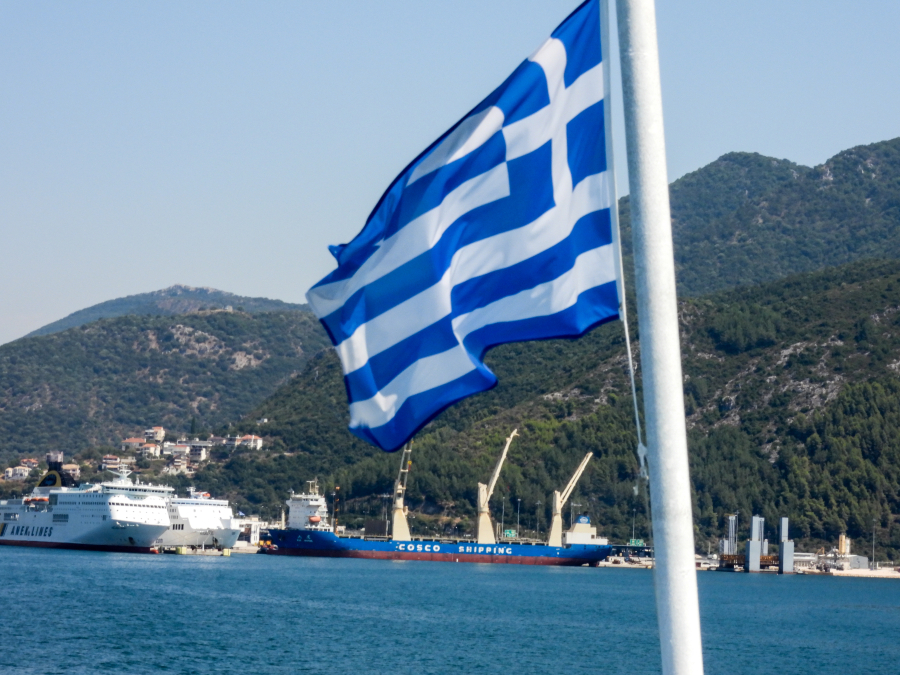
The results offer an early snapshot of how instability across the Eastern Mediterranean is beginning to ripple through European logistics networks. The Port of Piraeus, controlled by China’s COSCO Shipping through a majority stake, has become one of Europe’s most strategically important maritime hubs over the past decade, handling cargo flows linking Chinese manufacturing centers with European markets.
Although container activity weakened overall during the quarter, the company said transshipment volumes began recovering in March, rising 4.9% from a year earlier as shipping lines diverted routes and cargo toward Piraeus in response to shifting conditions in regional trade corridors.
Executives said the company remains financially resilient despite the uncertain environment. Piraeus Port Authority continues to operate without debt and maintains a strong cash position, allowing it to press ahead with an ambitious investment program focused on expanding infrastructure and strengthening the port’s role as a regional transport hub.
Capital expenditure nearly doubled in the first quarter to €31.4 million, supported by both company funds and financing from the European Regional Development Fund. Much of the spending is tied to the expansion of the cruise terminal, part of a broader effort to position Piraeus as a leading homeport destination for cruise operators in the Eastern Mediterranean.
That strategy appeared to gain traction during the quarter. Homeport cruise passenger traffic rose 23.1% to more than 48,000 travelers, while the number of cruise ships using Piraeus as a starting or ending point for itineraries also increased.
The port’s vehicle terminal also posted growth, with total car throughput climbing 4.6% to 72,607 vehicles, driven largely by stronger transshipment activity. Revenue from the segment rose 5.5%.
Still, management cautioned that risks tied to the Middle East conflict remain elevated. The company said potential energy-market volatility, inflationary pressures and further disruptions to maritime transport could continue to affect global trade patterns and port operations in the months ahead.
While cargo directly linked to countries involved in the regional tensions represents only a limited share of total activity at Piraeus, executives acknowledged that temporary shipping diversions and changes in trade routes have already begun reshaping traffic flows through the port as the geopolitical situation remains fluid.