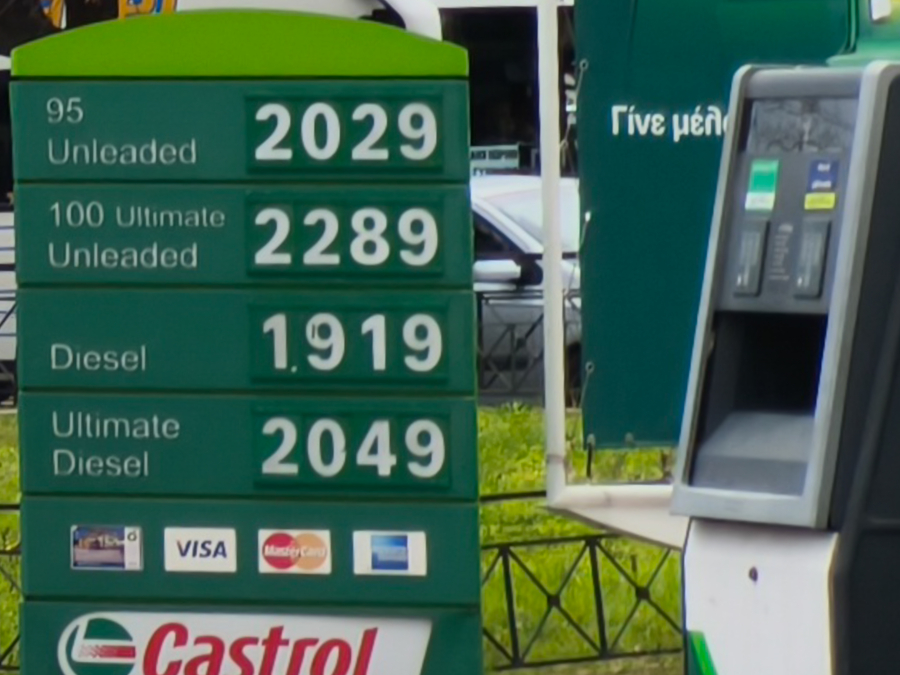

A sharp reduction in fuel prices could be achieved in Greece if the government were to cut excise duties to the minimum levels allowed under European Union rules—a proposal now circulating in public debate as a response to the surge in energy costs linked to tensions in the Middle East. The idea, supported by opposition figures including SYRIZA, highlights the trade-off between immediate relief for consumers and a significant hit to public finances.
Under the proposal, excise duty on unleaded petrol would fall to €359 per 1,000 litres, diesel to €330, and heating oil to just €21—the lowest levels permitted across the EU. Such a move would translate into noticeable savings at the pump and for household heating, particularly at a time when energy costs remain elevated.
The most dramatic impact would be seen in heating oil, where the tax would be reduced by more than 90%. Based on current pricing, this could lower the retail cost by roughly €0.32 per litre, bringing prices down from about €1.55 to €1.23. For households that rely on heating oil during the winter months, this would offer substantial financial relief.
ΔΙΑΒΑΣΤΕ ΕΠΙΣΗΣ

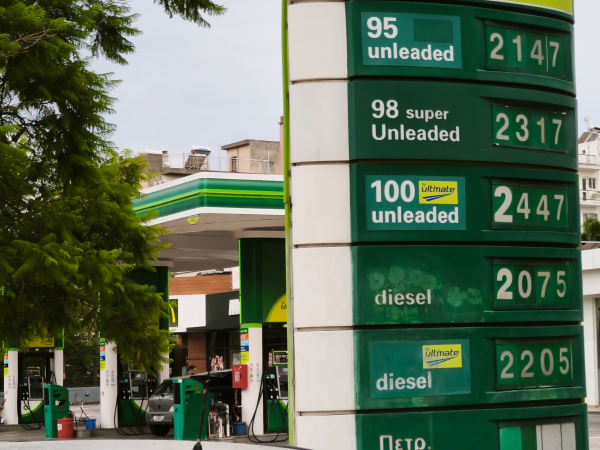
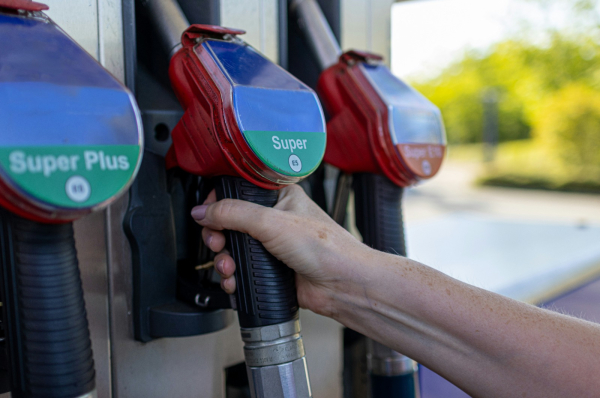
Petrol prices would also decline significantly. A near 50% cut in excise duty could reduce the price of unleaded fuel by around €0.42 per litre, taking it from roughly €1.98 to €1.55. For drivers, this would mean savings of about €21 on a typical 50-litre tank—an immediate and tangible reduction in everyday expenses.
Diesel prices would see a more modest decrease. A 25% reduction in the tax is estimated to lower prices by about €0.10 per litre, easing costs for transport companies and supply chains, albeit to a lesser extent than petrol.
These projections assume that tax cuts would be fully passed on to consumers and amplified by Greece’s 24% value-added tax, which is applied on top of fuel prices. However, global oil prices, refining costs and market margins would continue to play a decisive role in shaping final prices.
The fiscal cost of such a policy would be substantial. Greece currently expects to collect around €4 billion annually from fuel excise duties. If the proposed reductions were implemented, revenues could fall to approximately €2.3 billion—a decline of nearly 40%. The largest losses would come from petrol, followed by diesel and heating oil.
While the estimates do not account for potential indirect effects—such as increased fuel consumption or broader economic stimulus—they underscore the central dilemma facing policymakers: how to balance meaningful cost-of-living relief with the constraints of public finances in a country still mindful of fiscal stability.