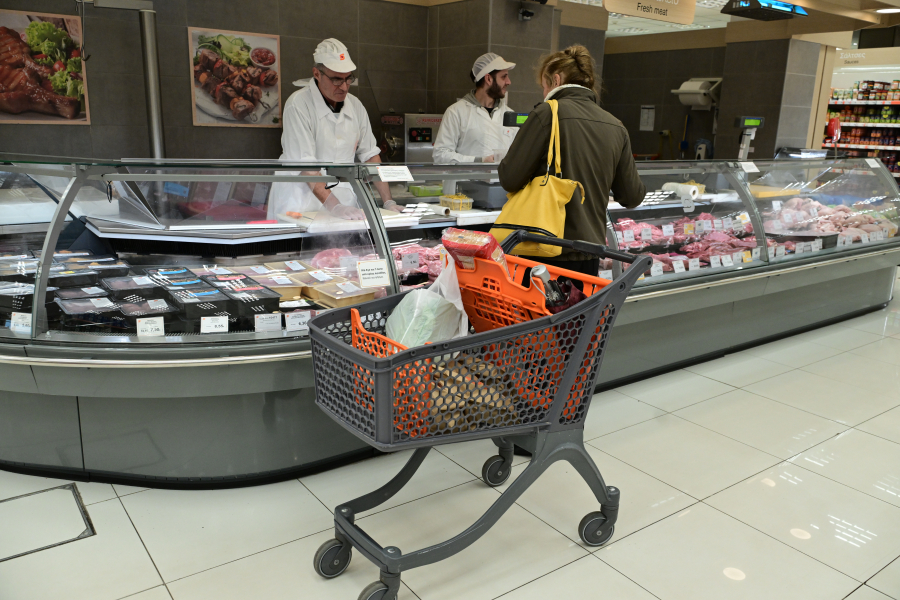

Food prices in Greece are rising again, even before oil prices have approached the $100-per-barrel mark amid escalating tensions in the Middle East. According to reliable information, price increases have already been recorded in more than 7,500 product codes during the first ten weeks of 2026, signaling a new wave of inflation in the country’s food market.
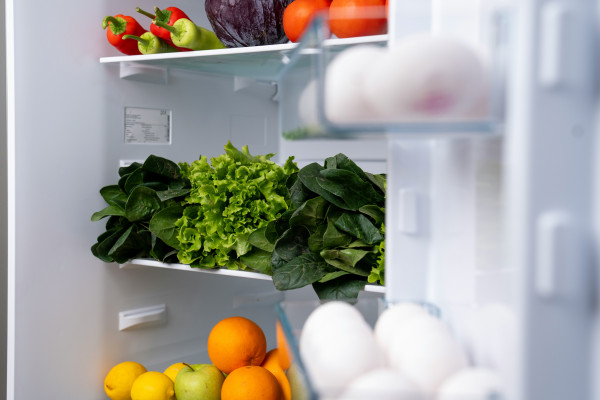
These increases come on top of price hikes affecting more than 11,500 products in the final quarter of 2025, according to inspection data from Greece’s Independent Authority for Market Control and Consumer Protection. The phenomenon is not limited to products heavily exposed to international pressures such as beef, coffee and chocolate. It now extends across a wide range of everyday staples, including yogurt, cheese, eggs, butter, chicken, pork, processed meats and even baby food, raising concerns about further increases on supermarket shelves.
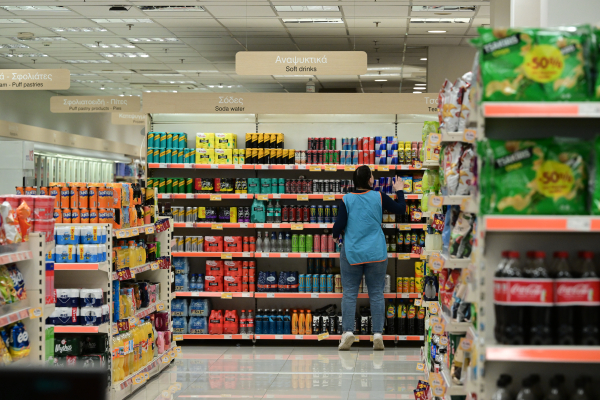
In response, the government has introduced a cap on profit margins for 61 supermarket product categories as well as liquid fuels, a measure that will remain in place at least until the end of June. The policy applies across the entire supply chain - from food manufacturers and retailers to fuel traders and gas stations - and will be accompanied by intensified inspections by the market watchdog. Fines for violations range from €5,000 to €5 million, with repeat offenders facing doubled penalties and public disclosure of their names.
The measures come as food inflation has already begun to accelerate. In February, food prices rose 5.2% year-on-year, continuing an upward trend that began in October. The development is particularly worrying because food accounts for about 21% of household spending in Greece, meaning rising grocery prices quickly translate into pressure on family budgets.
Data from the Hellenic Statistical Authority show sharp increases in several key categories. Beef prices are up 25.6% compared with a year earlier, while chocolate has risen 16.7%, coffee 15% and fruit 13.5%. Other increases include margarine and vegetable fats at 9.2%, vegetables at 7.2%, poultry at 6.5% and fish at 5.4%, with smaller but steady rises in dairy products, eggs and bread.
Wholesale fruit and vegetable markets are also seeing rapid changes. Within two weeks, zucchini rose from €1.30 to €1.70 per kilogram, cauliflower from €0.80 to €1.40, eggplants from €1.80 to €2.60 and broccoli from €1.30 to €2.20. Cherry tomatoes recorded one of the sharpest jumps, climbing from €3.50 to €5 per kilogram - an increase of nearly 43%.
Authorities are expected to focus inspections on meat wholesalers, dairy producers, chocolate and coffee importers, as well as processed meat and egg suppliers, as policymakers try to prevent further price escalation in the months ahead.